Why I Refuse to Talk to AI: A Customer Support Reality Check
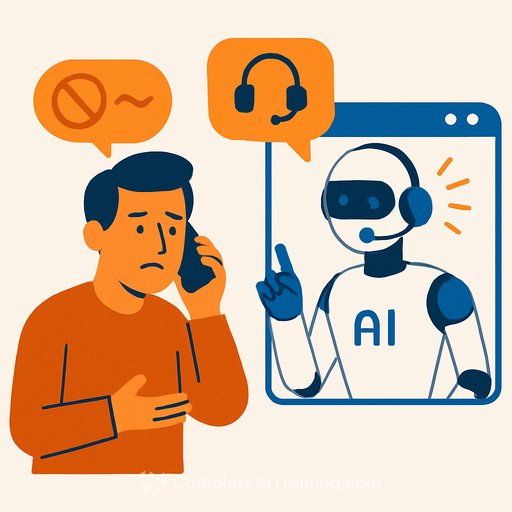
Most customers want to interact with a real person when they need help. In fact, 66% of U.S. customers say they want to speak to a live agent when resolving issues or making complaints. If your support channels don’t offer that option, you risk losing a large chunk of your customer base.
But there’s another side: about 34% of customers actually expect self-service options like AI chatbots, FAQs, or video tutorials, and some will leave if those tools aren’t available. This split creates a tough challenge for customer experience (CX) leaders who need to balance both preferences.
Why Some Customers Resist AI
- Age matters: Baby Boomers prefer phone calls, with 82% favoring human contact, while only 52% of Gen-Z feel the same way.
- Lack of trust: Nearly half of customers say they’re wary or scared of AI technologies.
- Privacy worries: 70% have concerns about their data security when dealing with AI.
- Effectiveness: Half of customers have successfully used AI for support, but the other half have not. Poor AI experiences, especially when lacking empathy or failing to understand requests, push people to want a human instead.
Even younger customers are frustrated: 48% of Gen-Z report frustration with AI tools compared to 17% of Baby Boomers.
Why Some Customers Embrace AI
- Speed and convenience: Instant answers without waiting on hold attract many customers.
- 24/7 availability: AI-powered support is accessible anytime, beyond regular business hours.
- Optimism for the future: 63% of customers believe AI will become the main mode of customer service, a jump from 21% in 2021.
These preferences highlight the need for CX leaders to factor in generational differences and evolving expectations. Ignoring the tech preferences of younger generations like Gen-Z and Millennials is a risk to customer retention.
What Should Customer Support Leaders Do?
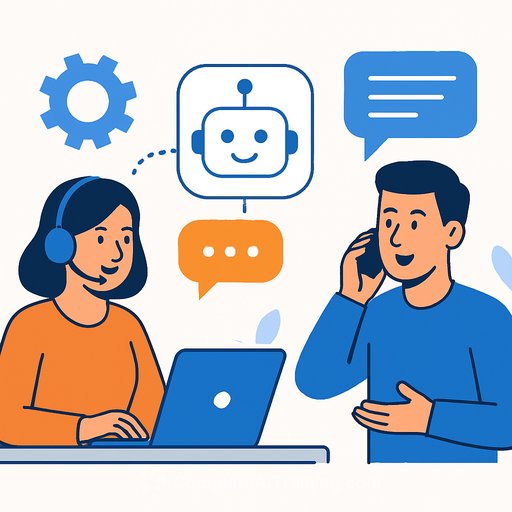
Forcing customers to use only AI or only human support is risky and often backfires. A balanced approach works best: let customers start with AI-driven self-service but always offer an easy switch to a live agent when needed. This "AI-first with human backup" model respects customer preferences and minimizes frustration.
Providing choice is key. Customers want service that fits their needs, making them more likely to stick around and say, “I’ll be back.”
If you want to build your skills in AI tools that support customer service without losing the human touch, consider exploring specialized training options to stay ahead in delivering the right balance. Visit Complete AI Training for relevant courses tailored to customer support professionals.
Your membership also unlocks: