Is Klarna’s Scale-Back on AI Chatbots a Turning Point for Customer Service?
Swedish fintech Klarna, once a strong advocate for AI-driven customer support, is shifting back to including human agents in its operations. This change has sparked interest across the customer service industry. Klarna had reported that its AI assistant was handling work equivalent to 700 full-time agents, reducing average resolution times from 11 minutes to just two. This automation also contributed to cutting over 1,000 jobs globally.
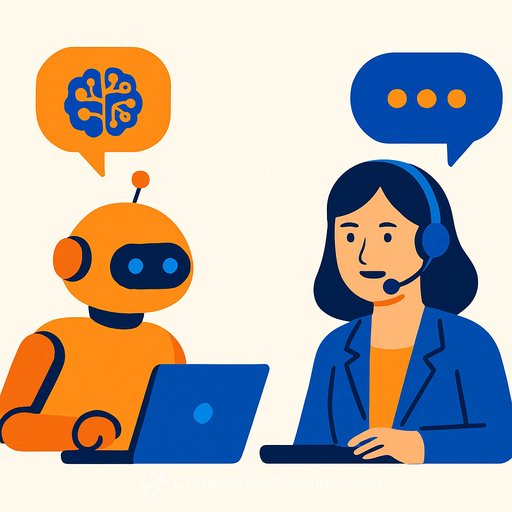
Now, Klarna is adopting a hybrid approach, combining automation with human support. CEO Sebastian Siemiatkowski recently shared that the company is hiring new staff due to dissatisfaction with its AI tools. He admitted that focusing too much on cost led to lower quality service. Klarna’s strategy involves directing customers to AI first, but allowing easy escalation to live agents when needed.
Strategic Reset, Not a Failure
Liam Dunne, CEO of customer service analytics firm Klearcom, describes Klarna's move as a strategic reset rather than a U-turn. He points out that Klarna is learning what truly works in customer experience. Dunne emphasizes that AI adoption in customer service is still in early stages, and success depends on delivering natural, effective conversations—not just on data input and training.
He compares this shift to past industrial changes, like moving from manual labor to machinery. Such transformations don’t happen instantly. Dunne stresses that measured progress beats rushing to be first. Klarna’s adjustment also highlights the ongoing value of human agents, especially in sensitive or complex cases like fraud and compliance.
Rather than replacing agents, AI should free them to focus on meaningful work. Dunne explains, “Let AI handle routine tasks, but when a customer is upset or confused, trained and empowered humans must step in.”
The Role of Regulation
Regulatory pressures are also shaping this trend. The European Union’s upcoming AI Act promotes human oversight and transparency in AI decisions. Gartner predicts that within three years, the EU might require a “right to talk to a human” in customer service interactions. Companies are responding by integrating human support more thoughtfully rather than aiming for full automation.
Looking Ahead: Agentic AI
Future developments include agentic AI—intelligent systems capable of handling specific tasks and communicating across workflows. These AI agents could talk directly to other AI systems, managing tasks end-to-end on platforms like Salesforce or HubSpot. However, this level of integration is expected to become common only in five to eight years.
For now, patience is essential. Deploying AI in customer service demands careful testing and adapting to customer needs. As Dunne notes, “This is a marathon, not a sprint. Companies that take their time to test, adapt, and listen will come out ahead.”
If you’re working in customer support and interested in how AI tools can be effectively integrated into your workflows, consider exploring specialized training options. Resources like Complete AI Training’s courses for customer support professionals offer practical guidance on balancing automation with human touch.
Your membership also unlocks: