Lay Beliefs About AI Assessment of Interpersonal Skills in Personnel Selection
Abstract
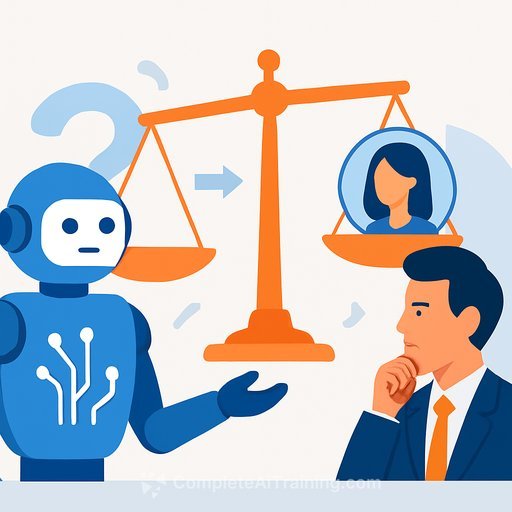
Artificial intelligence (AI) is increasingly used in personnel selection, with some evidence showing it can outperform humans in predicting interpersonal skills. Yet, many people believe AI is less capable than humans in this area. This perception does not extend to analytical skills, indicating a specific skepticism about AI's role in interpersonal contexts rather than a general distrust of algorithms. These beliefs affect workplace dynamics: managers tend to assign fewer interpersonal tasks to AI-selected employees, and applicants emphasize interpersonal skills less when going through AI-based selection. Importantly, educating people about advanced AI technologies can reduce these negative beliefs.
Introduction
Recruiting the right talent is critical for any organization. AI technologies now assess candidates through resumes, psychometric tests, interviews, and even mini-games. As AI selection tools become more common, it’s essential to understand how people perceive their capabilities—especially since these beliefs affect career outcomes and workplace fairness.
If managers doubt AI’s ability to evaluate interpersonal skills, they may treat AI-selected employees unfairly. Similarly, candidates might alter their behavior during AI assessments, potentially harming their chances. Human resources professionals might hesitate to adopt AI tools without confidence in their accuracy. This article examines lay beliefs about AI’s capabilities in personnel selection and the consequences of these beliefs.
What Are Lay Beliefs?
Lay beliefs are informal perceptions people hold, which may not align with scientific evidence. Here, we focus on beliefs about AI tools used in hiring—specifically, how people view AI’s ability to assess interpersonal and analytical skills. While field data shows AI can effectively evaluate interpersonal skills, many still believe humans outperform AI in this area.
Key Findings
Studies 1–3: Lay Beliefs on AI Assessing Interpersonal Skills
- Study 1: When asked which assessment scores they would check to guess if a candidate passed an interview, participants favored analytical skill scores over interpersonal ones in AI-assessed cases. This suggests skepticism about AI’s interpersonal evaluation.
- Study 2: Participants rated AI lower than humans in assessing interpersonal skills but found no difference for analytical skills.
- Study 3: Among managers responsible for hiring, 81.6% believed humans outperform AI in judging interpersonal skills, while AI was seen as better at assessing analytical skills.
Studies 4–5: Impact of These Beliefs
- Study 4: Workers were less likely to assign interpersonal skill tasks to employees selected by AI compared to those selected by humans. This bias did not affect assignments involving analytical skills.
- Study 5: Applicants tended to downplay interpersonal skills during AI-based selection, likely due to beliefs that such skills are less valued by AI assessors.
Study 6: Reducing Negative Beliefs
Informing participants about advanced AI technologies capable of assessing facial expressions, emotions, and social skills helped reduce skepticism about AI’s interpersonal assessment abilities. Highlighting these advancements can improve trust in AI selection tools.
Discussion and Practical Implications
These findings reveal a clear divide in how people view AI’s ability to assess interpersonal versus analytical skills. The skepticism around interpersonal skill assessment is significant because many roles require strong interpersonal capabilities.
Managers’ biases against AI-selected employees could limit opportunities and affect team dynamics. For candidates, adapting their presentation based on incorrect assumptions about AI can hurt their chances. HR professionals might hesitate to fully embrace AI tools without adequate awareness of their true capabilities.
To foster better adoption of AI in hiring, organizations should:
- Communicate clearly about AI’s ability to assess interpersonal skills alongside analytical ones.
- Educate managers and candidates on how AI tools work to build confidence.
- Monitor for biases in task assignments to AI-selected employees to ensure fair treatment.
For HR professionals interested in deepening their knowledge of AI in recruitment, exploring targeted training courses can be valuable. Platforms like Complete AI Training offer resources tailored to HR and recruitment specialists.
Looking Ahead
Future research should explore how these beliefs vary across industries and cultures, and how different AI tools influence perceptions. There’s also a need to study other potential lay beliefs affecting AI adoption in hiring.
Understanding and addressing these beliefs is essential for improving the integration of AI in personnel selection and ensuring fair and effective talent acquisition processes.
Your membership also unlocks: