Will AI Adoption Mark The End Of The Human Era In Customer Support?
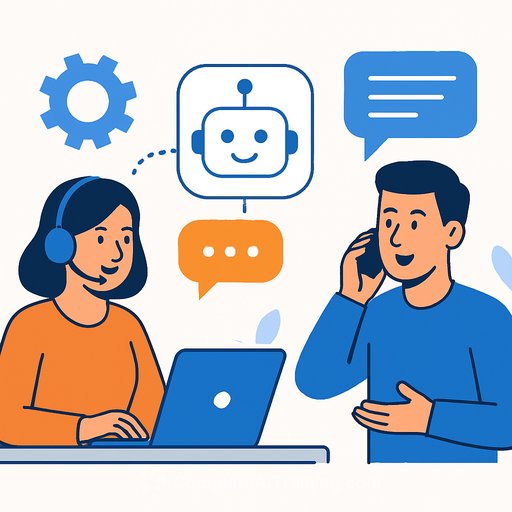
Picture this: returning a defective headset and having AI process your return in seconds. Would you notice or even care? AI now handles many routine customer service interactions, reshaping how support works. But does this mean human agents are on their way out? The short answer is no. Here’s why.
How Customer Support Has Changed Over Time
Customer service isn’t new—it dates back to ancient Rome and Greece, where merchants focused on keeping customers. The Industrial Revolution increased face-to-face interactions as production grew. Then came the telephone in 1876, which shifted support toward voice calls. The internet in the 1990s introduced email and live chat, followed by social media in the mid-2000s as another service channel.
Today, AI and natural language processing have entered the scene. Support now runs 24/7 across multiple channels with AI chatbots embedded on websites and apps. But these changes never replaced humans before, and they won’t now.
If you wonder about job losses due to AI, consider this: “AI won’t replace humans, but humans with AI will replace humans without AI.” That means adapting to AI tools is key, not fearing them.
What AI Brings To Customer Support
- Speed: AI processes issues faster than humans, meeting the 90% of customers expecting instant replies. This frees agents to focus on complex problems.
- Data Handling: AI analyzes vast data in real time, fetching customer history to prepare agents and reduce wait times. It can predict issues early, shifting support from reactive to proactive.
- Availability: AI works 24/7, covering all time zones and filling gaps that human teams might miss.
- Cost Efficiency: Automating routine tasks lowers labor costs and reduces the need for overtime or temp hires without hurting customer experience. But replacing humans entirely with AI can backfire.
- Personalization: AI tracks user behavior and preferences to help agents provide service that fits individual needs. It can suggest products, solutions, and personalize messages. Over 60% of agents say AI improves personalization.
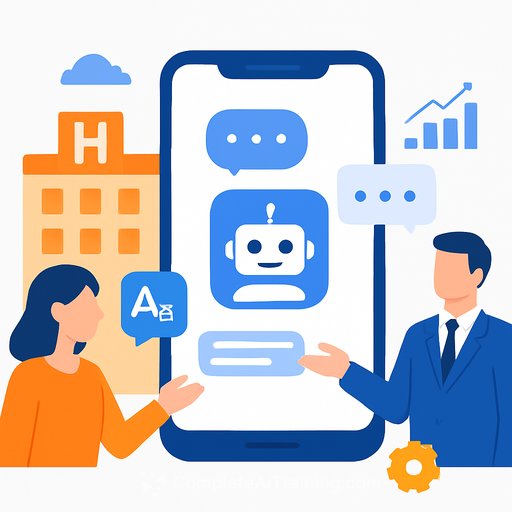
- Language Support: Real-time AI translation bridges language barriers, allowing smooth communication between agents and customers speaking different languages.
- Quality Control: AI can review agent performance by evaluating random interactions, spotting errors, and scoring responses.
The Human Element AI Can’t Replace
- Emotional Intelligence: AI can’t fully grasp emotions like frustration or sadness. Complex emotional situations need human empathy and judgement to calm things down.
- Creative Thinking: Humans can think outside patterns and handle unexpected or contradictory information. AI works best within known scenarios.
- Relationship Building: Human agents understand cultural nuances and unspoken expectations, building stronger connections with customers.
Finding Balance Between AI and Human Agents
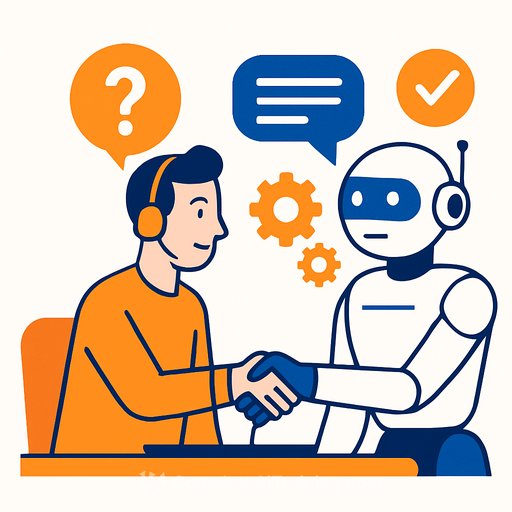
The best approach is teamwork. Let AI handle basic, repetitive questions, then route complex issues to human agents. This cuts response times and lets agents focus on more challenging, rewarding work.
For example, AI assistants can quickly manage refunds, cancellations, and order updates, easing customer frustration. AI also helps personalize support by analyzing data to predict needs and suggest solutions, making support proactive.
AI pulls up customer info and past interactions instantly, highlights errors, and even predicts when a customer might churn. Clear division of tasks is essential—some things are ideal for AI support, others for humans with AI assistance.
And remember, AI still needs human training and oversight. So, human agents won’t be replaced anytime soon.
If you want to learn how to effectively work alongside AI or sharpen your skills, explore AI courses tailored for customer support professionals.
Your membership also unlocks: