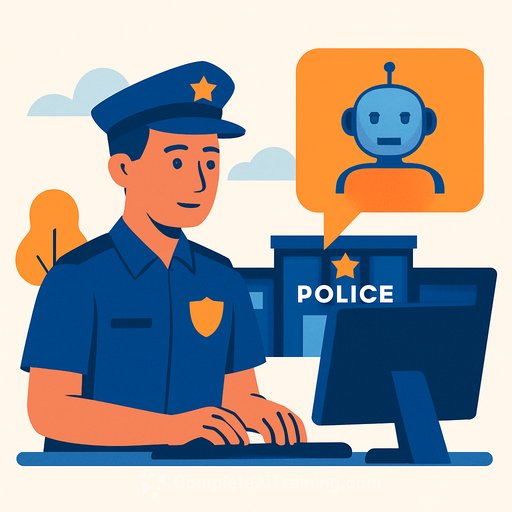
Winnipeg Police Expand AI Agent Pilot for Non-Emergency Calls
The Winnipeg Police Service is increasing the use of an artificial intelligence (AI) voice agent to handle non-emergency calls, aiming to improve caller experience and efficiency. After nearly a year of testing, the service plans to expand the AI pilot program starting next week.
Currently, the non-emergency line receives about 900 calls daily, totaling around 172,000 calls this year. The AI agent replaces the older automated voice system that relied on pre-recorded options, offering a more conversational and user-friendly interaction, according to Insp. Gord Spado.
What the AI Agent Brings to Customer Support
Insp. Spado described the existing system as "cumbersome" and shared that the new AI aims to make the call process smoother. The goal is to allow callers to speak naturally about their needs without navigating complex menus. The AI then directs them to the appropriate resource.
The service will start with two hours of AI-handled calls daily and gradually increase to six or seven hours, with hopes to operate 24/7 eventually. Currently, the AI agent is only available in English, but plans are underway to add French support.
City’s Approach to AI Integration
Mayor Scott Gillingham emphasized that the city is taking a careful and measured approach to adopting AI technology. The police AI agent is one of six AI projects running in Winnipeg, including automated chat for 311 inquiries and invoice processing.
The mayor highlighted that this initiative aims to deliver better customer service and reduce workload for frontline staff. He supports the gradual expansion to ensure effectiveness and reliability.
Balancing Efficiency and Empathy
Brandon University professor Chris Schneider, an expert on the social effects of new media, noted that while AI could make calls more efficient, it may lack the empathy needed for sensitive situations. He expressed cautious optimism but pointed out concerns about data privacy and public safety, especially when AI tools come from large international companies.
Schneider also mentioned that clear communication is vital for the AI to work well. However, callers who have recently experienced trauma might find it challenging to speak calmly and clearly. This highlights a limitation of AI in handling emotional support compared to human operators.
How to Use the Non-Emergency Line with AI
- Use the line to report non-urgent crimes, like property crimes with no suspect on scene or suspicious activities.
- Speak in clear, full sentences to help the AI understand your request.
- Minimize background noise and be patient while the AI processes your input.
These guidelines help ensure callers receive the most accurate assistance possible from the AI system.
Next Steps for the AI Pilot
The police service plans to evaluate the pilot program’s success by year-end to decide if the AI agent will become a permanent feature. While AI offers promising improvements in handling routine calls, officials recognize it won't replace the need for human interaction in all cases.
For customer support professionals interested in AI tools and training, resources like Complete AI Training offer courses that explore practical AI applications in service roles.
Your membership also unlocks: