AI tool
Cube
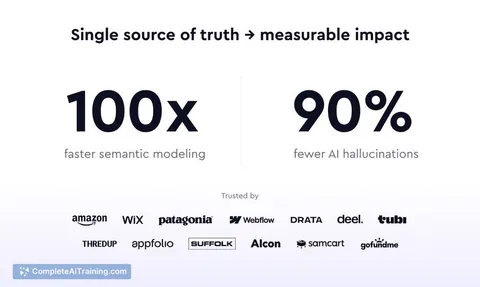
Cube provides a semantic layer and infrastructure so AI agents query data with precise semantics, cutting errors and enabling accurate, trusted analytics and automated agents.
About Cube
Cube is an AI-driven analytics tool that builds a semantic data model from connected data and uses AI agents to answer questions and generate reports. It is built on an open-source semantic layer (19K+ GitHub stars) and provides a free tier for evaluation.
Review
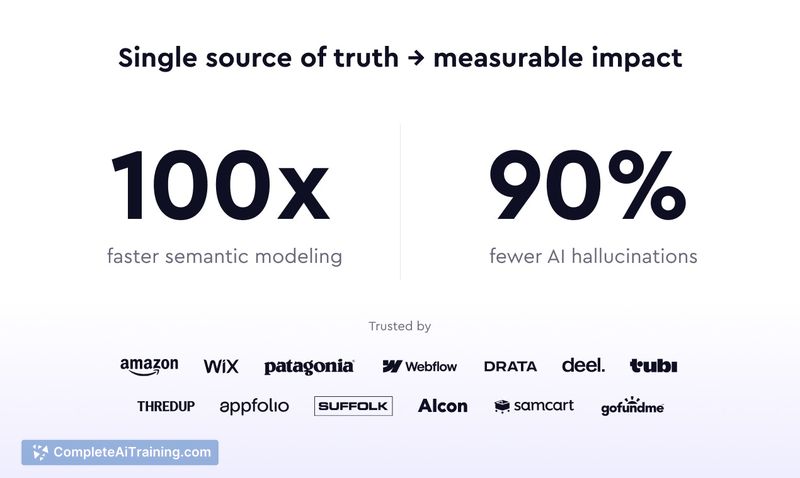
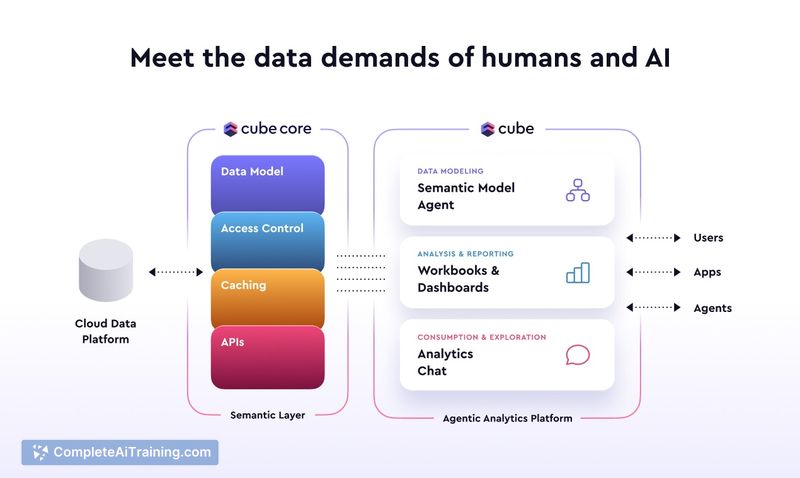
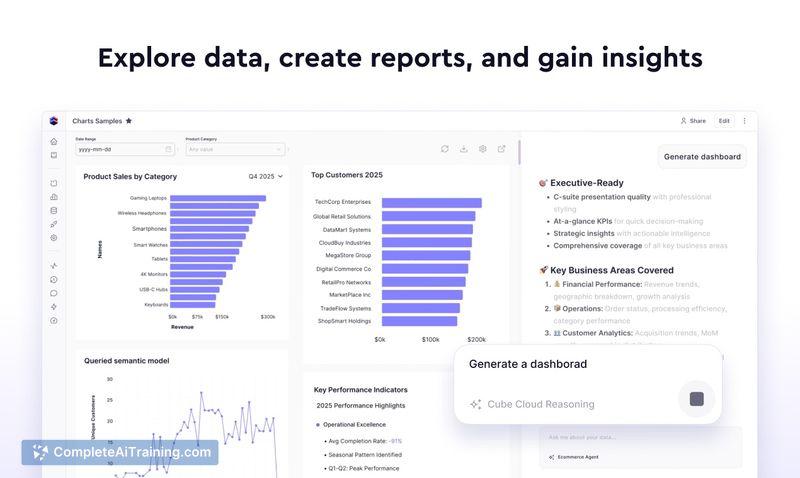
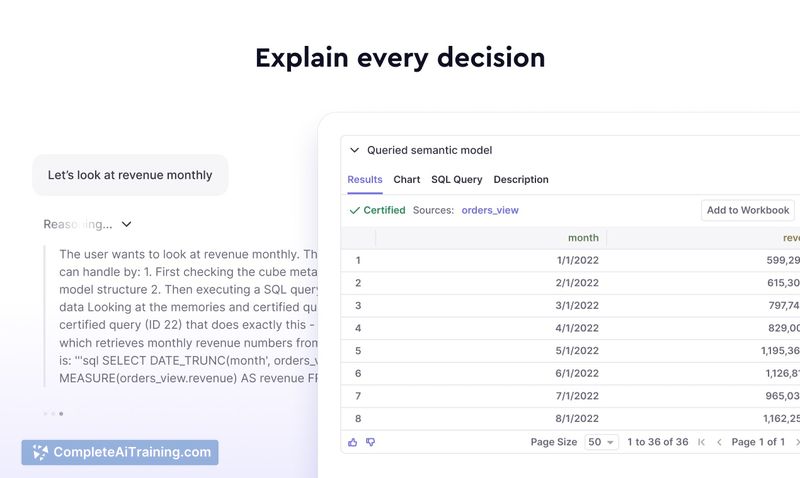
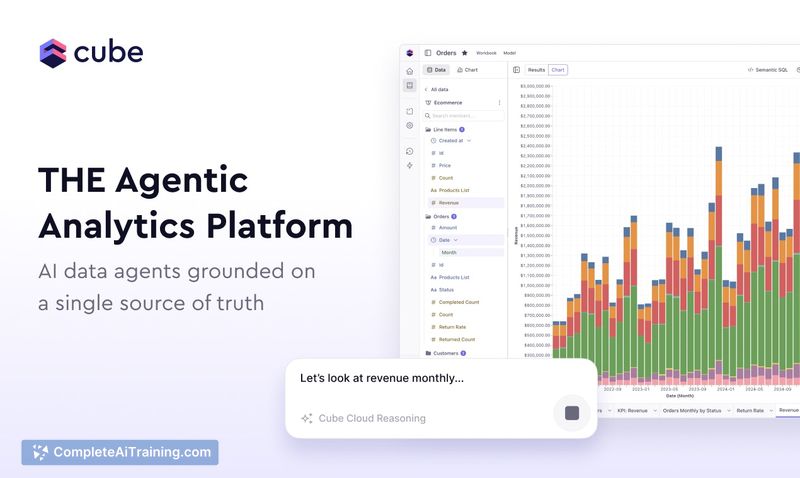
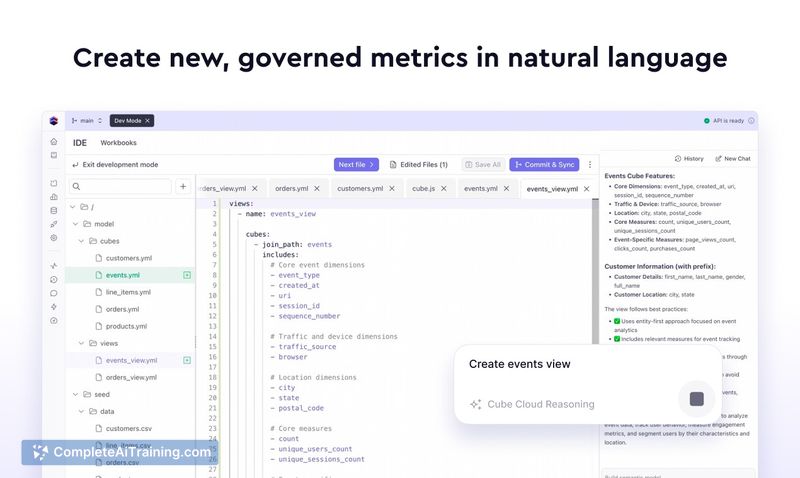

Cube focuses on improving the accuracy of AI analytics by giving agents a formal semantic layer that captures business logic, which helps reduce hallucinations from raw-table queries. The platform automates model creation and offers a streamlined path from connected data to human-readable answers and reports, with an emphasis on practical integration with existing data stacks.
Key Features
- Automatic construction of a semantic layer from connected data sources to encode business logic.
- AI agents that use the semantic layer to answer natural-language questions and generate reports.
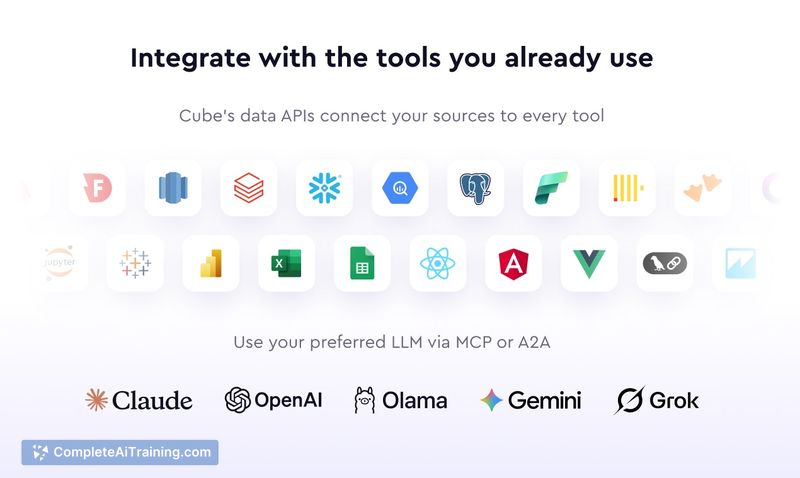
- Integration support for common data warehouses and pipelines, allowing reuse of existing data infrastructure.
- Built on an open-source foundation (19K+ GitHub stars) with an active community and extensibility.
- Free tier available for testing, with higher-capacity options for production use.
Pricing and Value
Cube offers a free tier for evaluation; paid plans are available for larger teams and production workloads. The main value proposition is reducing incorrect AI outputs by applying a maintained semantic layer, which can save analytics engineering time and increase trust in automated answers. For exact pricing and enterprise features, consult the product website or sales team.
Pros
- Helps reduce AI hallucinations by using an explicit semantic layer that represents business metrics and logic.
- Automates much of the data-modeling work, speeding up the path from raw data to usable analytics.
- Open-source foundation with broad community support, which aids transparency and customization.
- Supports quick experimentation via a free tier before committing to paid plans.
Cons
- Complex business rules or edge-case metrics may still require manual modeling and validation by data teams.
- Enterprise pricing and advanced feature details are not fully transparent without contacting the provider.
- Adoption may require coordination between analytics engineers and data platform teams for optimal integration.
Cube is a strong fit for analytics teams and companies that need trustworthy, AI-driven answers from their data warehouses and want to reduce inaccurate outputs from raw-table querying. It works best where teams are willing to invest in a semantic layer and seek faster delivery of consistent reports and question-answering capabilities.
Jobs Cube suits
We checked Cube against 500+ jobs; these get the most out of it.