
Learning path
Learning AI as a Fraud Analyst
This path shows fraud analysts how to use AI for alert triage, pattern spotting, and clear reports. You also get setup help, job-focused video courses, and certifications that show what you have learned.

Your path
Everything in the Fraud Analyst AI kit, in the order that makes sense. Members tick off each step and see their progress.
Set up your AI
We guide you through each click.
Let skills do your everyday tasks
Connect your apps and pick your AI apps
Hand whole tasks to AI agents
Build your own tools
Keep growing
Everything for fraud analysts
All the courses, certifications, AI tools, MCP servers and apps for fraud analysts, most relevant first. Open any list to see more.
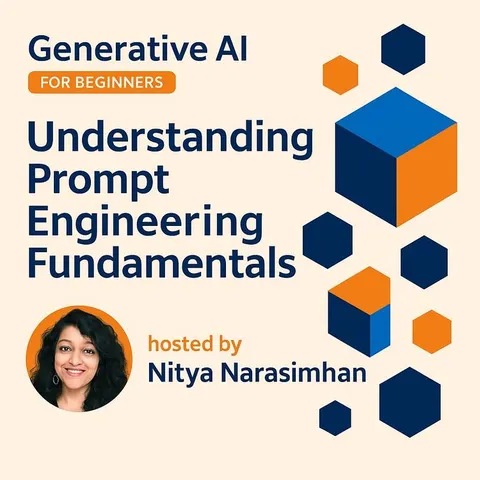
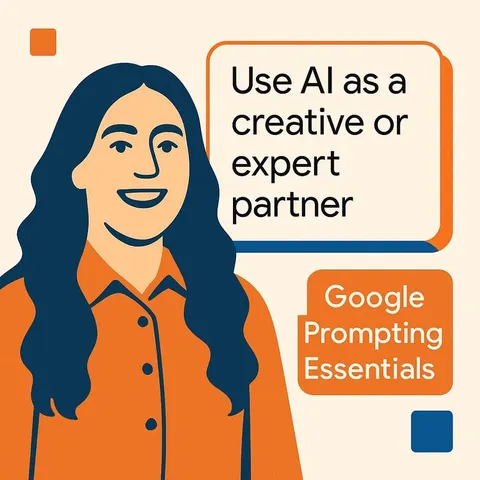
Take the prompt courses
A short framework course to learn how to ask, then 8 lessons with ready-to-use prompts for fraud analysts.
Start with this framework: how to talk to AI
This framework fits your fraud analyst work because reusable ICIO templates classify suspicious transactions and extract key details from alerts every day.
Then your prompt course for fraud analysts- 1Alert Triage And Review3 prompts
- 2Fraud Pattern Analysis3 prompts
- 3Conducting Investigations3 prompts
- 4Interviewing Involved Parties3 prompts
- 5Report Writing And Documentation3 prompts
- 6Law Enforcement Collaboration3 prompts
- 7Fraud Prevention System Updates3 prompts
- 8Account Monitoring And Customer Communication3 prompts
Watch the video courses or add them to your Favorites for later
115 video courses our AI picked for fraud analysts, most useful first. Save the ones you want to watch later with the heart.
Favorites are saved to your account: sign in or get your AI kit first.
Show all 115 video courses
Get certified, or add certifications to your Favorites
Every course ends in an exam and a certificate you can add to LinkedIn. Save the certifications you are aiming for with the heart.
Favorites are saved to your account: sign in or get your AI kit first.
More certifications for fraud analystsShow all 24 certifications
Try the AI tools for fraud analysts
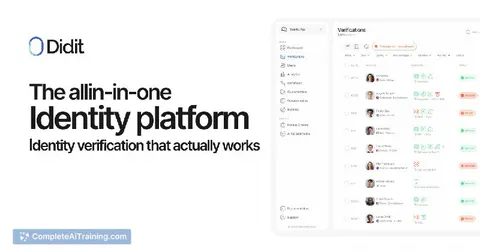
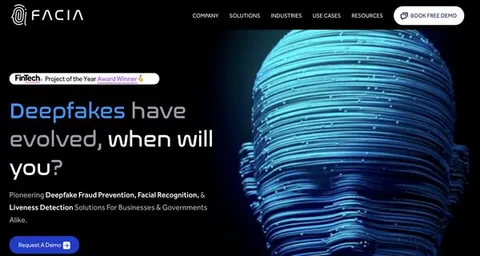
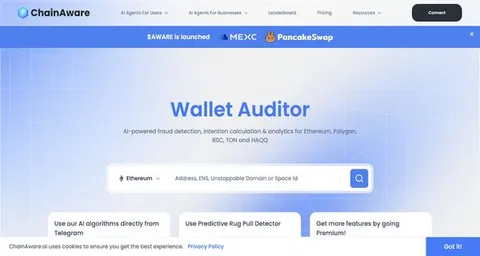
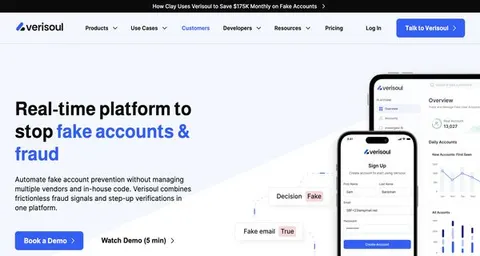
24 AI tools our AI matched to the work of fraud analysts, best fit first. Each review shows what it does, its alternatives and the jobs it suits.
Favorites are saved to your account: sign in or get your AI kit first.
Show all 24 AI tools
Connect your AI to the apps fraud analysts use
MCP servers let ChatGPT, Claude or Copilot look things up and get work done in other apps, like your email, calendar or bookkeeping software. These 12 fit the work of fraud analysts best, well-known apps first.

ChainAnalyzer AML MCP server
by rascal-3Lets your AI check blockchain addresses for money-laundering risk and sanctions, across 12 chains.

GLEIF MCP server
by olgasafonovaLets your AI look up companies in the official global LEI database and check who owns whom.

Snowflake MCP server
by YannBrrdLets your AI look up and query your Snowflake data, with read-only protection on by default.

traql MCP server
by traqlLets your AI check crypto addresses and transactions for sanctions, mixer and scam risk, with a 0 to 100 score.

Registrum MCP server
by vdmeuLook up UK company details, directors, owners and filed financials straight from your AI chat.
Finance and cryptoResearchNo install
BICScan MCP server
by ahnlabioCheck how risky a crypto wallet address or domain is, and see what it holds.
Finance and crypto OfficialShow all 12 MCP servers
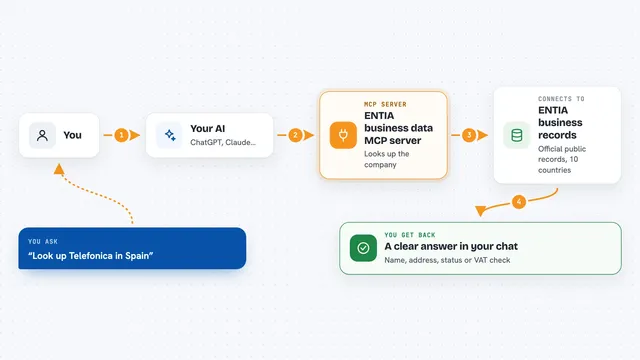
ENTIA business data MCP server
by ENTIA-IALook up companies, VAT numbers and business details across 10 countries right from your AI chat.
Research Official
BigQuery MCP server
by LucasHildLets your AI look at your BigQuery tables and run SQL queries for you.

Stillos Notary MCP server
by stillmarcus24Lets your AI check facts, screen names against sanctions lists, and score company distress.

Database MCP server (MySQL, PostgreSQL, SQLite, Oracle)
by FreePeakLets your AI look inside your databases, run queries, and explain what the data means.

IBANforge MCP server
by cammac-creatorCheck an IBAN before you pay: the bank behind it, its BIC, SEPA reach, and a risk score.
Finance and crypto Official
Microsoft SQL Server MCP server
by wenermeAsk your AI questions about your SQL Server database and get answers, tables, and reports back.
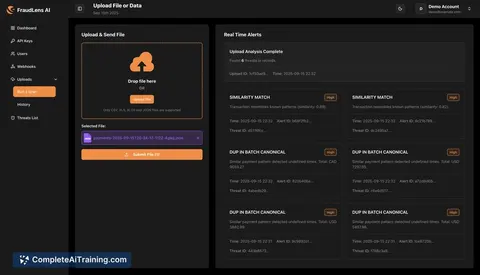
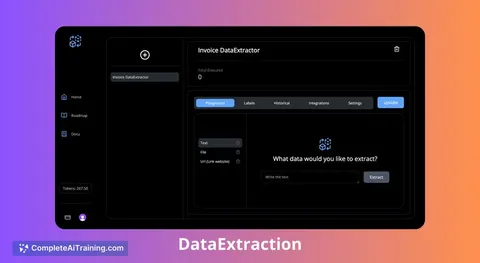
Build your own AI apps for fraud analysts
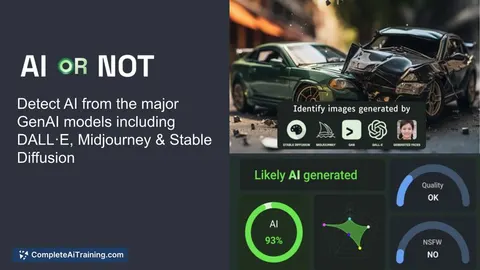
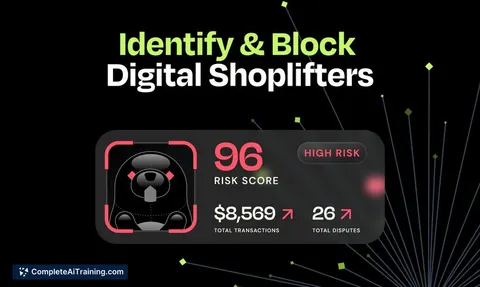
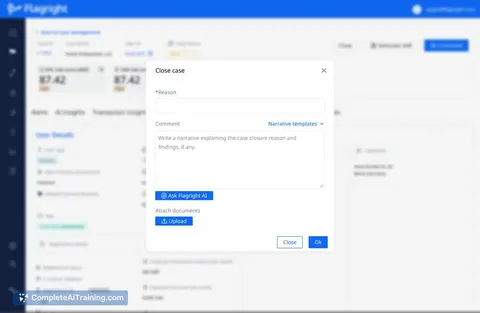
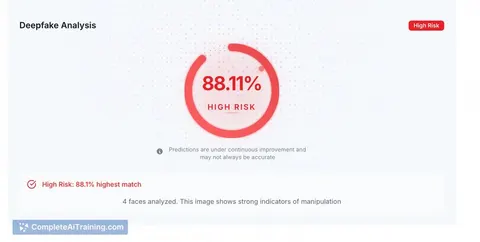
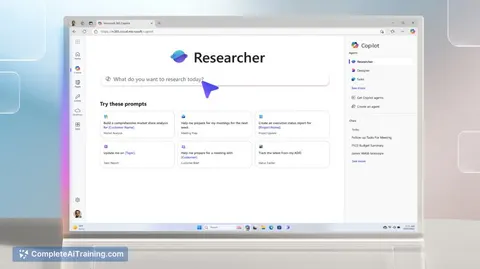
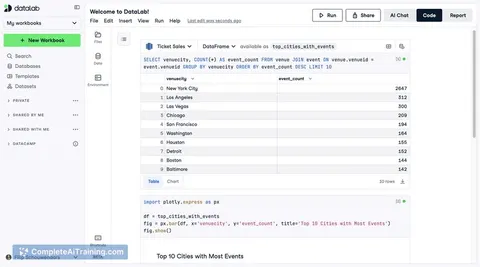
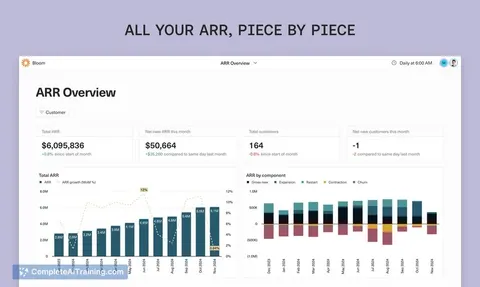
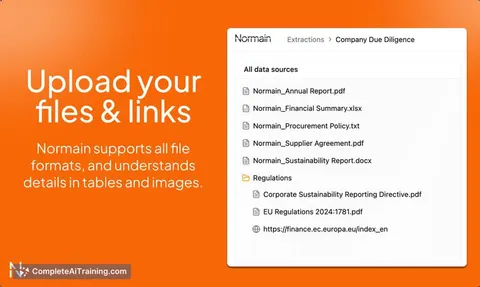
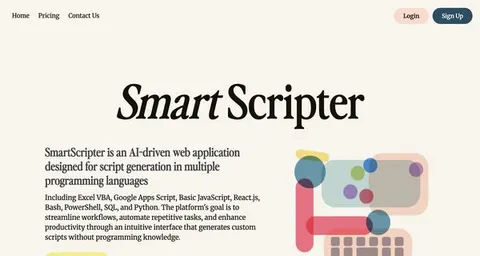
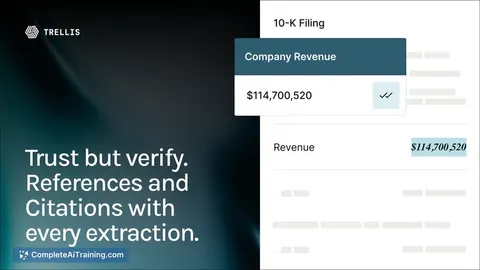
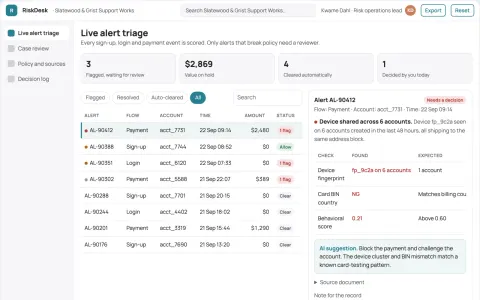
Apps you build yourself with your own AI, no coding needed and no monthly fee. Our AI picked the 2 that fit the work of fraud analysts.











































About this learning path
6 topicsAI skills for fraud analysts who protect customers
Fraud analysts face more alerts than ever. AI can help you sort the noise, see patterns sooner, and write reports that stand up to review.
This learning path is built for your job. It starts with simple setup questions, connects your AI tool, and then walks through the prompts and video courses that match a fraud analyst's daily work.
Why AI matters for fraud analysts now
Fraud teams handle a rising number of alerts and cases. AI can read long notes, group similar transactions, and draft first versions of reports, so you can spend your attention on the decisions that need a human.
It also helps you explain your findings in plain language to customers, managers, and law enforcement.
What the path includes
You begin with setup questions that help you pick the right AI tool and connect it safely. Then you learn skills for the job inside your AI, like how to ask for a summary of an alert or a list of questions for an interview.
The path includes this prompt course and a set of video courses chosen for fraud analysts. Each video course comes with a certification you can add to your profile.
How the path saves you time
You will practice prompts for triage, pattern analysis, investigations, interviews, reports, law enforcement referrals, rule updates, and customer messages. These prompts turn a blank page into a strong starting point.
Instead of writing every note from scratch, you review and improve. That can save an hour here and there, which adds up over a week.
How the path protects your career
AI is changing how fraud work gets done. Analysts who can use it well will be the ones who handle complex cases and lead investigations.
This path helps you stay current, show your value, and keep the human judgment that fraud work requires. You learn to check AI output and stay in control.
How to start the path
Start with the setup questions. They take a few minutes and make sure your AI tool is ready for fraud work. Then take the prompt course in order, one lesson at a time.
After that, pick the video course that matches your biggest challenge, like alert triage or report writing. Finish the certification, then come back for the next one.
Frequently asked questions
Do I need technical skills to use AI as a fraud analyst?
No. If you can write an email and read a transaction alert, you can use the prompts in this path. The setup questions guide you through connecting your AI tool step by step.Will AI replace fraud analysts?
AI is a tool that helps with summaries, patterns, and drafts. It does not replace your judgment, your knowledge of policy, or your ability to interview people. The path teaches you to work with AI, not be replaced by it.How long does the path take?
You can move at your own pace. Most learners finish the prompt course in a few sittings, then add video courses as their schedule allows. The certifications are there when you are ready.Is it safe to put fraud case details into AI tools?
You should follow your organization's rules about data. The path covers safety and privacy, including how to remove personal details and use approved tools. Always check with your manager or security team before sharing sensitive information.