
Learning path
Learning AI as a Data Architect
A guided path for data architects who want AI help with models, documentation, governance, and platform choices. Learn to set up your AI, use job-specific prompts, and pick video courses that fit your work.
Your path
Everything in the Data Architect AI kit, in the order that makes sense. Members tick off each step and see their progress.
Set up your AI
We guide you through each click.
Let skills do your everyday tasks
Connect your apps and pick your AI apps
Hand whole tasks to AI agents
Build your own tools
Keep growing
Everything for data architects
All the courses, certifications, AI tools, MCP servers and apps for data architects, most relevant first. Open any list to see more.
Take the prompt courses
A short framework course to learn how to ask, then 9 lessons with ready-to-use prompts for data architects.
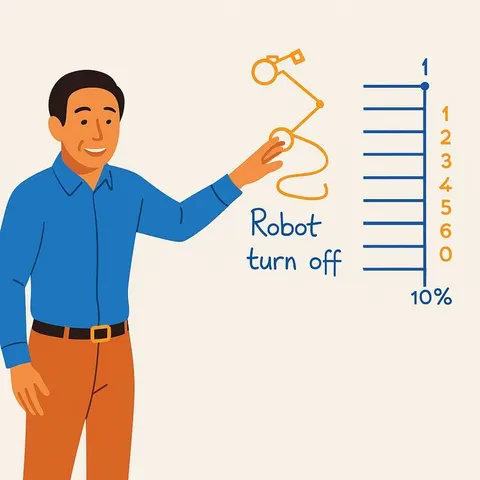
Start with this framework: how to talk to AI
This framework helps you break down complex data architecture work, such as planning a warehouse migration, into steps and compare routes.
Then your prompt course for data architects- 1Drafting Data Models4 prompts
- 2Writing Architecture Documentation3 prompts
- 3Defining Data Governance Policies3 prompts
- 4Mapping Data Flows And Integrations3 prompts
- 5Selecting Databases And Platforms3 prompts
- 6Optimizing Queries And Storage3 prompts
- 7Explaining Designs To Stakeholders2 prompts
- 8Evaluating New Data Tools2 prompts
- 9Collaborating With Engineering Teams2 prompts
Watch the video courses or add them to your Favorites for later
120 video courses our AI picked for data architects, most useful first. Save the ones you want to watch later with the heart.
Favorites are saved to your account: sign in or get your AI kit first.
Show all 120 video courses
Get certified, or add certifications to your Favorites
Every course ends in an exam and a certificate you can add to LinkedIn. Save the certifications you are aiming for with the heart.
Favorites are saved to your account: sign in or get your AI kit first.
More certifications for data architectsShow all 24 certifications
Try the AI tools for data architects
24 AI tools our AI matched to the work of data architects, best fit first. Each review shows what it does, its alternatives and the jobs it suits.
Favorites are saved to your account: sign in or get your AI kit first.
Show all 24 AI tools
Connect your AI to the apps data architects use
MCP servers let ChatGPT, Claude or Copilot look things up and get work done in other apps, like your email, calendar or bookkeeping software. These 12 fit the work of data architects best, well-known apps first.

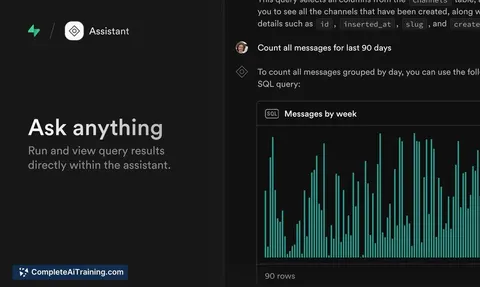
BigQuery MCP server
by LucasHildLets your AI look at your BigQuery tables and run SQL queries for you.

DBConvert Streams MCP server
by slotixLet your AI read your databases, files and S3 storage, and run read-only queries across all of them at once.
Analytics Official
ClickHouse MCP server
by dockndevaiLets your AI look at your ClickHouse database, run read queries, and make careful changes when you allow it.

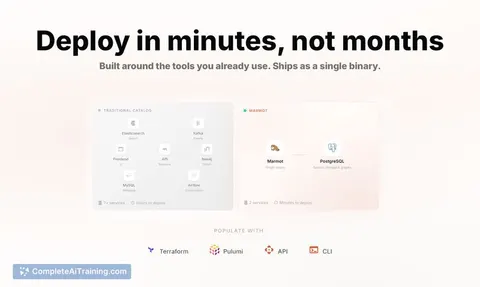
Sqemo MCP server
by sqemoLet your AI design database diagrams that follow your team's naming rules, and check them against a real database.

Azure Data Explorer MCP server
by pab1it0Let your AI run KQL queries and explore your Azure Data Explorer tables for you.

SqlAugur MCP server
by mbenthamLets your AI safely read your SQL Server databases and explain their structure.
Show all 12 MCP servers

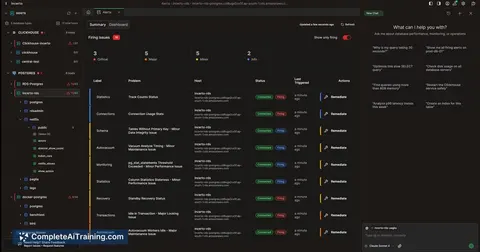
PostgreSQL MCP server
by JaviMalignoLets your AI look inside a PostgreSQL database: explore tables, run read-only queries, and check performance.

Couchbase MCP server
by Couchbase-EcosystemLets your AI look inside your Couchbase database, run queries, and explain what it finds, in plain words.
Analytics Official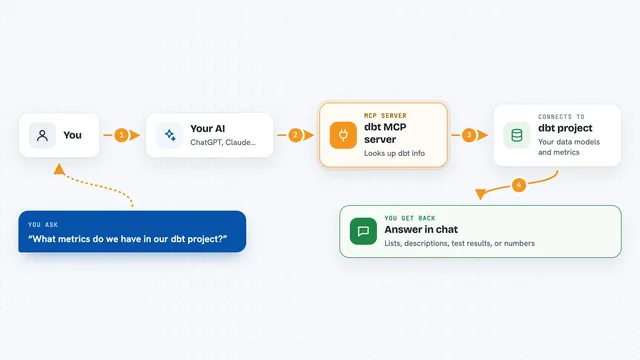
dbt MCP server
by dbt-labsLets your AI look up dbt models, metrics, and docs, and run dbt commands for you.
Analytics Official
Neo4j MCP servers
by neo4j-contribLet your AI ask questions of a Neo4j database, remember facts as a knowledge graph, and manage Aura instances.

Database MCP server (MySQL, PostgreSQL, SQLite, Oracle)
by FreePeakLets your AI look inside your databases, run queries, and explain what the data means.

PostgreSQL MCP server (MCPg)
by devopamLets your AI look inside a PostgreSQL database, answer questions about the data, and suggest fixes for slow queries.
AnalyticsNo installBuild your own AI apps for data architects
Apps you build yourself with your own AI, no coding needed and no monthly fee. Our AI picked the 6 that fit the work of data architects.
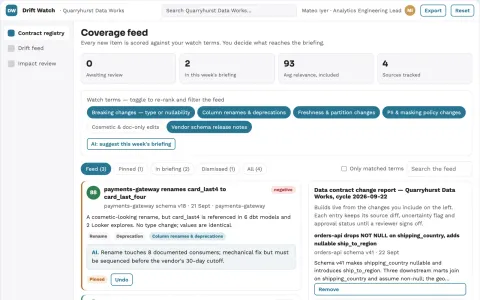
Data contract drift watch
Connect schema drift to documented consumers.
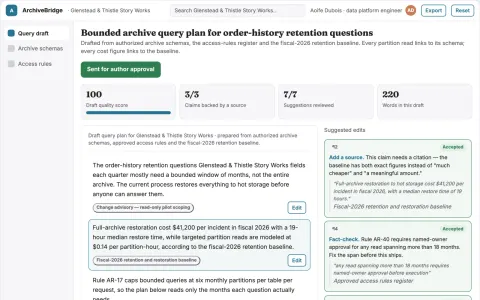
Database archive query bridge
Make infrequent historical questions cheaper to answer.
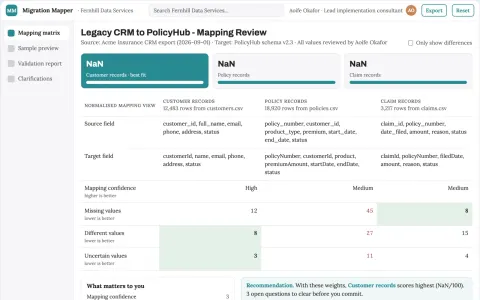
Data migration preparation
Reviewable mappings and preflight reconciliation before any migration writes.
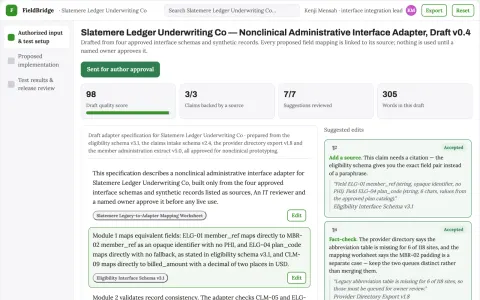
Healthcare administrative interface adapter
Reduce duplicated entry while keeping access and provenance explicit.
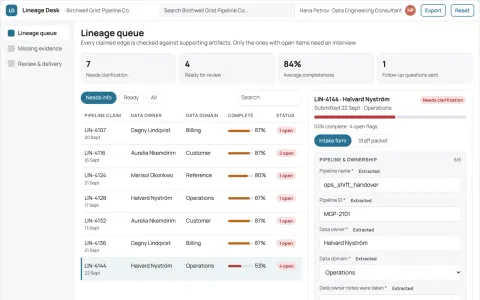
Data pipeline lineage interview desk
Separate documented lineage from team recollection.
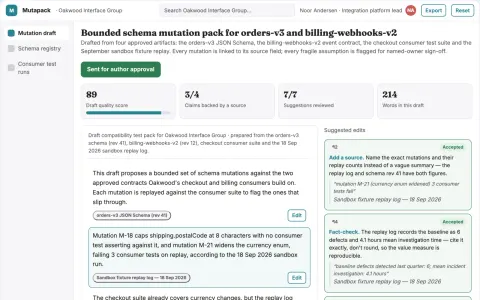
SaaS integration contract mutation tester
Discover integration fragility before external changes arrive.























About this learning path
6 topicsAI for Data Architects: A Practical Learning Path
Data architects carry a lot: models, documentation, governance rules, integration maps, and platform decisions. AI can take the first pass on many of these tasks, so you spend your time on judgment, trade-offs, and talking with people.
This path shows you how to set up your AI assistant, connect it to your work, and use prompts built for a data architect's day. You also get video courses chosen for this job and the certifications that come with them.
Why AI Matters Now
Data landscapes grow faster than teams. Business groups want answers sooner, and regulations keep shifting. AI helps you draft, compare, and explain without starting from a blank page.
It does not replace your architecture judgment. It gives you a fast first draft and a second set of eyes on details you might otherwise miss.
What The Path Includes
You start with setup questions that help you choose and configure an AI assistant. Then you connect your AI to the tools and documents you already use, safely.
Next come skills for the job inside your AI, followed by a prompt course with nine lessons made for data architects. Video courses picked for your role and their certifications round out the path.
How It Saves You Time
Drafting a data model, writing a decision record, or mapping fields can take hours. With the right prompts, you get a solid first pass in minutes and refine from there.
The time you win back goes to stakeholder conversations, risk reviews, and the design choices that need a human.
How It Protects Your Career
AI is changing how architecture work gets done. Architects who can direct AI, check its output, and explain decisions will be more valuable.
This path helps you stay in charge of the tools instead of watching them pass you by. You learn to use AI in ways that keep quality and trust high.
How To Start
Begin with the setup questions and connect your AI. Then take the prompt course lesson by lesson, trying each prompt on a real task from your week.
Pick one video course that matches a current project. Finish it, note what you learned, and bring one new idea to your team.
Frequently asked questions
Do I need to be technical to use this path?
You already work with data systems, so you have the context. The path explains AI setup and prompts in plain language, with examples from data architecture. You do not need to write code to get value.Which AI tools does this path work with?
The prompts work with common assistants like ChatGPT, Claude, and Gemini. You will learn how to connect your AI to documents and tools you already use. The focus is on the habits and questions, not one specific product.How long does the path take?
You can move through the setup and prompt course in a few focused sessions. The video courses vary in length, so you can fit them around your work. Most architects take a few weeks, a little at a time.Will this help me with governance and security?
Yes. The prompt course includes lessons on governance policies and safe data handling. You will practice drafting rules and checking what should stay private. The path also covers how to keep sensitive details out of AI tools.