AI tool
Jev
Jev is a decision model that turns unstructured input into typed answers with calibrated probabilities. It is built for developers who need fast, cost-efficient machine judgments their software can act on directly.

About Jev
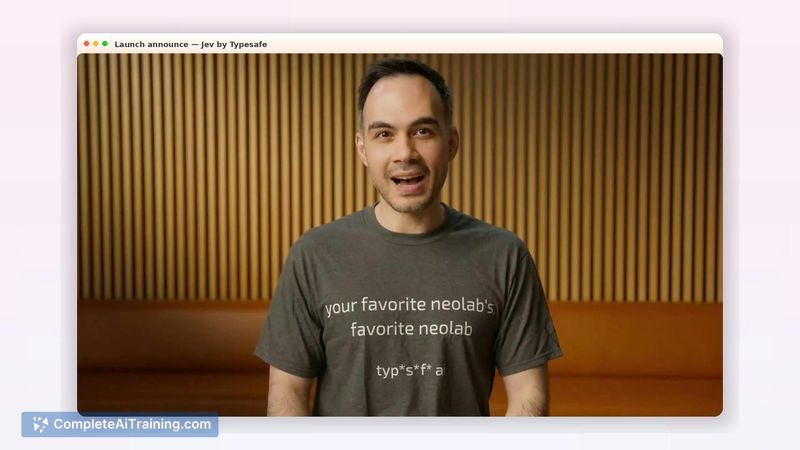
Jev is TypeSafe AI's System One frontier model, built to return structured decisions rather than conversational text. It accepts unstructured state as input and produces Choice, Score, and Noul answers with calibrated probabilities that software can act on directly. The model is now available to everyone at console.typesafe.ai with no waitlist.
Review

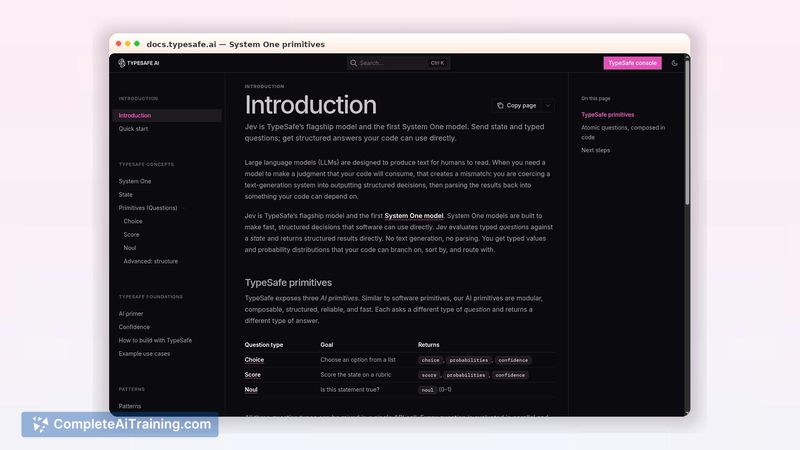
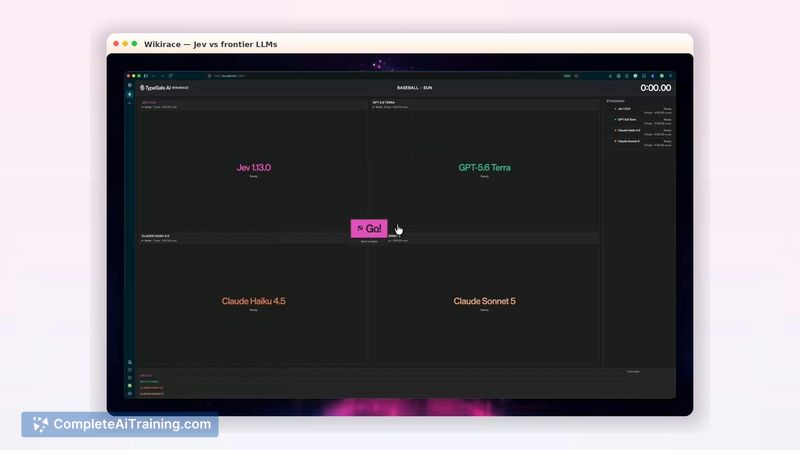
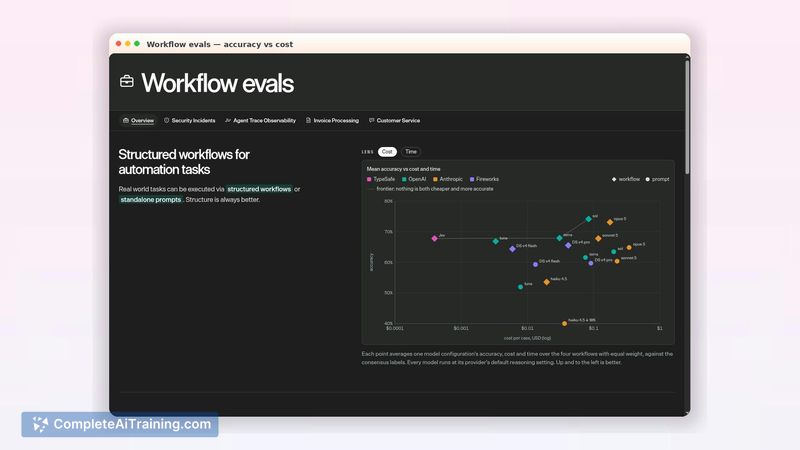

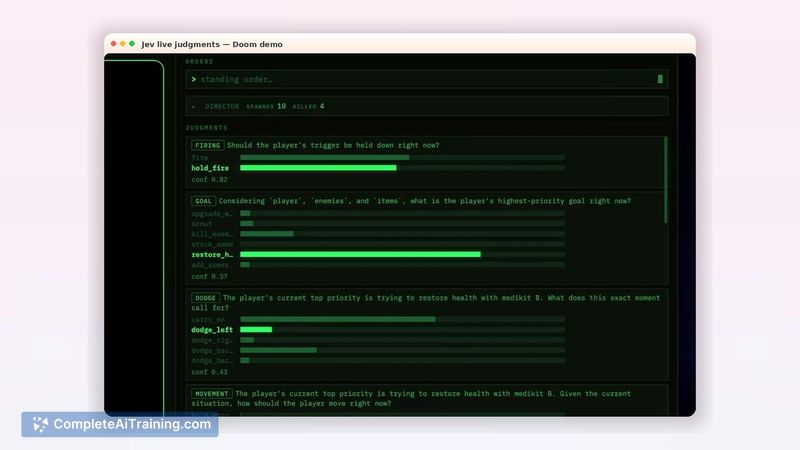

Jev takes a different approach from the chat-based AI most developers are used to. Instead of generating tokens in sequence, it outputs typed probabilistic decisions in JSON. The speed and cost numbers are the headline: responses land in roughly 70 to 500ms, which the team says is 20-200x faster and 40-400x cheaper than comparable LLM workflows, with output tokens free.
Key Features
- Returns Choice, Score, and Noul decision types with calibrated probabilities instead of freeform text
- Parallel sampling delivers responses in approximately 70-500ms
- Outputs structured JSON that code can consume without parsing natural language
- Uses RLCD (reinforcement learning from cognitive decisions) rather than RLHF, training the model to work like a machine rather than to please humans
Pricing and Value
Output tokens are free. TypeSafe AI states that Jev is roughly 40-400x cheaper than comparable LLM workflows. Specific pricing tiers or subscription details are not yet defined in the available information. The console at console.typesafe.ai is open to everyone without a waitlist.
Pros
- Response times of 70-500ms make it practical for real-time automation pipelines
- No output token costs, which changes the economics for high-volume classification and decision tasks
- Calibrated probabilities give developers a clear signal they can threshold and act on
- JSON-native output eliminates prompt engineering and parsing overhead
- Parallel sampling architecture allows firing multiple judgments simultaneously
Cons
- Does not handle chat or code generation, so it won't replace general-purpose LLMs for those tasks
- Limited public documentation on model accuracy benchmarks across different decision domains
- Not well suited for teams that need open-ended text generation or conversational AI features
Jev fits best in software automation workflows that need fast, structured classifications: content moderation, routing, intent detection, or any pipeline where a machine needs a probability and a label, not a paragraph. Developers who spend significant time wrangling LLM outputs into typed decisions will likely find the direct JSON output a practical time-saver. Teams building chat applications or code assistants should look elsewhere, since Jev doesn't operate in that mode at all.
Jobs Jev suits
We checked Jev against 500+ jobs; these get the most out of it.
Alternatives to Jev
Other tools that do the same main job. Our AI compared Jev with similar tools and kept the ones you could use instead.