AI tool
Keen Code
Keen Code is an open-source CLI coding agent in Go. It uses agent-built workflows, distilled turn memory to limit multi-turn context, and skills-driven MCP tools that fetch JSON schemas on demand for efficient, transparent code generation.
About Keen Code
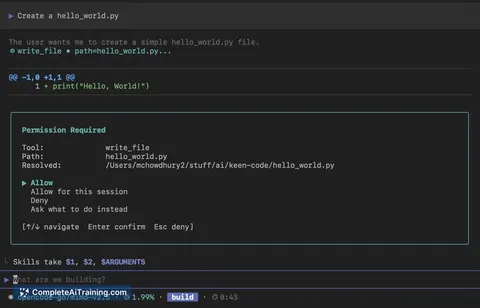
Keen Code is an open-source, context-aware command-line coding agent implemented in Go. It emphasizes context efficiency for multi-turn developer workflows by using a distilled turn memory and lazy-loaded Skills for MCP servers.
Review
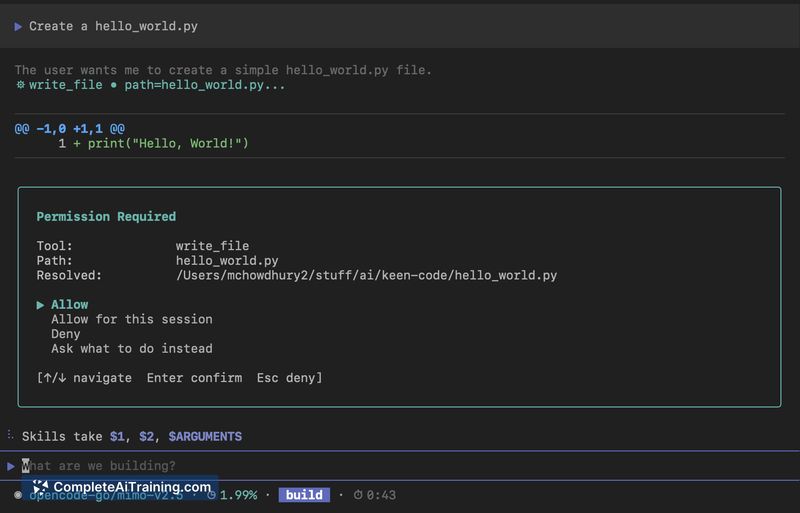
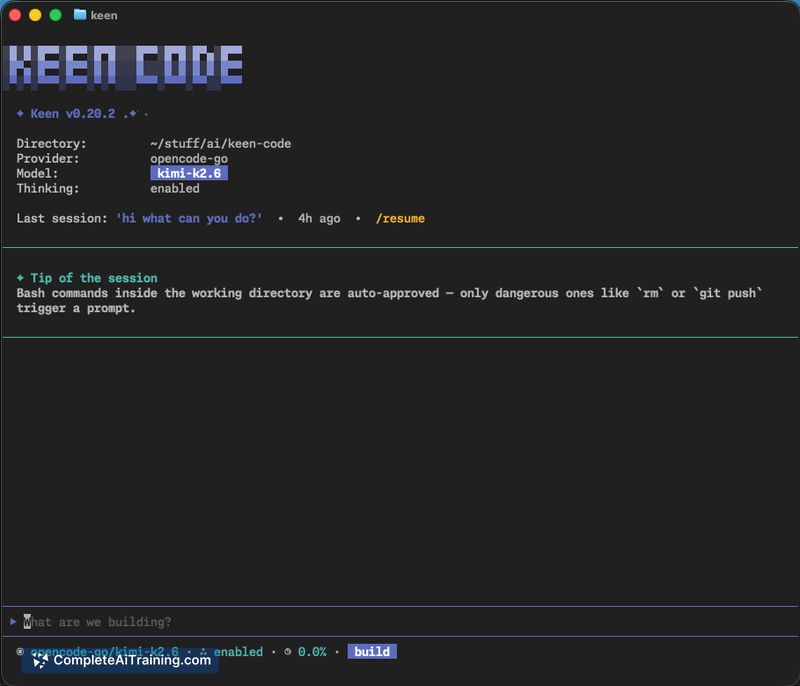
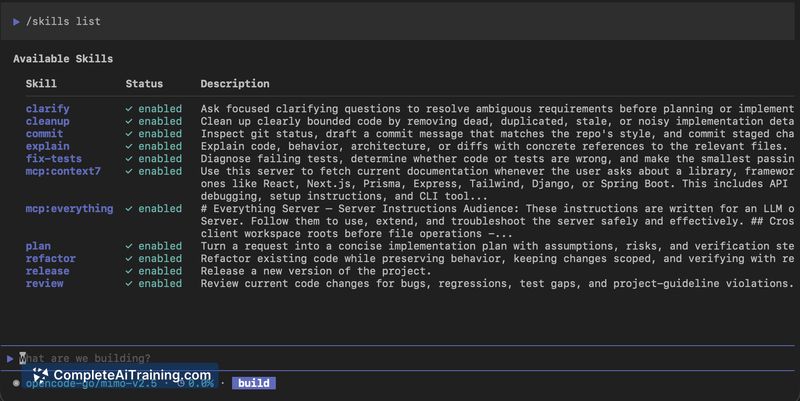
Keen Code presents a focused CLI tool that prioritizes keeping session context small while supporting multi-step code tasks. The project preserves its prompt and design trail in the repository, making the agent-driven development process transparent and auditable.
Key Features
- Open-source CLI agent written in Go, suitable for local and developer workflows.
- Built with an agent-driven development process and a preserved prompt/design trail (repo includes ai-interactions).
- Turn memory: discards raw tool inputs/outputs after each turn and passes a compact Go struct into the next turn to keep context lean.
- Skills-driven MCP servers: MCP tools are represented as local markdown Skills and JSON schemas are lazy-loaded only when requested.
- Context-efficient design that reduces context window growth across multi-turn sessions.
Pricing and Value
Free. As an open-source project, Keen Code offers immediate access without subscription fees, which is appealing for developers who want to inspect, modify, or extend the agent. The value is strongest for users who need a lightweight, local CLI assistant and who are comfortable with occasional tool re-runs due to the deliberate decision to avoid retaining raw tool results between turns.
Pros
- Open-source and transparent: prompt and design history are available in the repo.
- Context-efficient approach reduces token usage during long interactions.
- Skills-based MCP handling avoids front-loading large schemas into context.
- Lightweight Go implementation fits well into terminal-first developer workflows.
- Agent-built development process provides a reproducible trail of design decisions and prompts.
Cons
- Turn memory discards raw tool outputs, so agents may need to re-run tools to retrieve prior results, adding overhead for some tasks.
- Current turn-memory strategy is intentionally simple and can drop context that might be useful in complex multi-step operations.
- MCP tool handling and prioritization for multiple relevant files remain areas that need further refinement for large codebases.
Overall, Keen Code is a strong fit for developers who want a compact, inspectable CLI coding agent and for people experimenting with agent-driven development patterns. It works best for workflows where tools are idempotent or where re-running commands is acceptable; teams that require persistent in-session tool outputs may find the current tradeoffs limiting until additional features are added.
Jobs Keen Code suits
We checked Keen Code against 500+ jobs; these get the most out of it.
Alternatives to Keen Code
Other tools that do the same main job. Our AI compared Keen Code with similar tools and kept the ones you could use instead.