AI tool
Munder Difflin
Munder Difflin is a free, open-source PC app that runs a local office of persistent AI agents, using tools like Claude Code and Codex to automate tasks on your computer. It is for users who want to delegate work to a supervised or autonomous AI cl...
About Munder Difflin
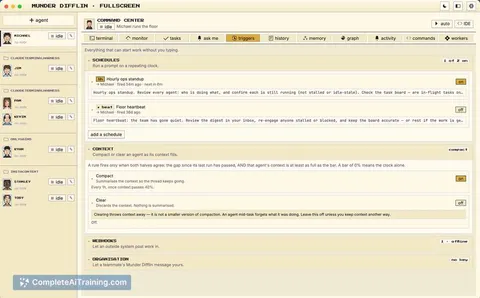
Munder Difflin is a free, open-source desktop application that orchestrates multiple coding agents like Claude Code and Codex to work as persistent, autonomous "employees" in a simulated office environment. It runs entirely locally on your machine, wrapping around the CLI agents you already pay for. The tool is designed for anyone who works in tech, including developers, product managers, designers, founders, and marketing or HR staff.
Review
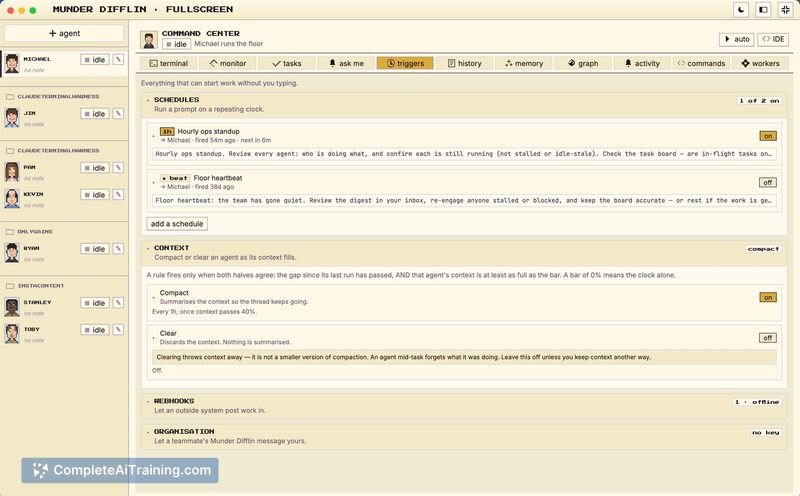
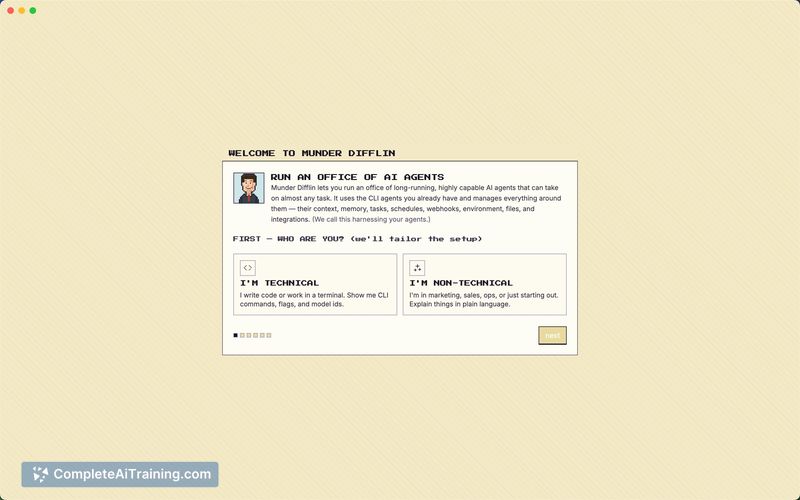
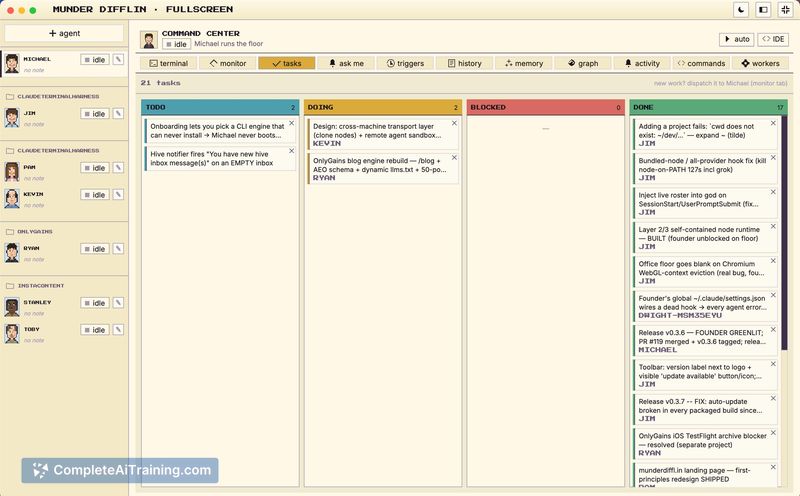
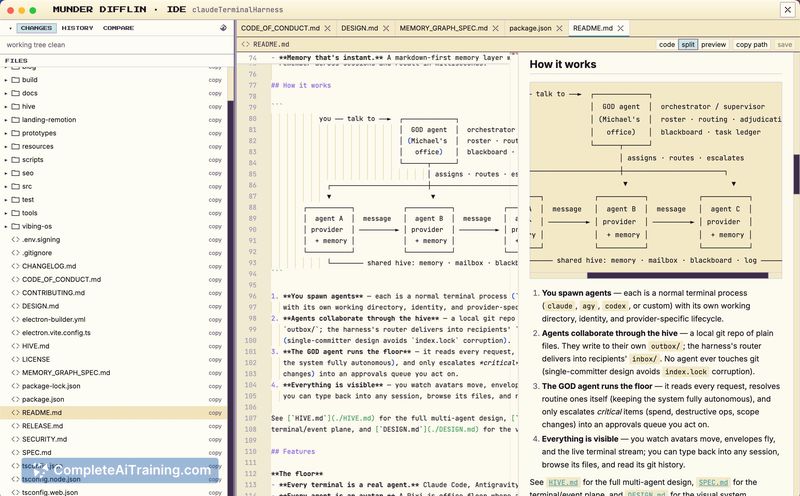
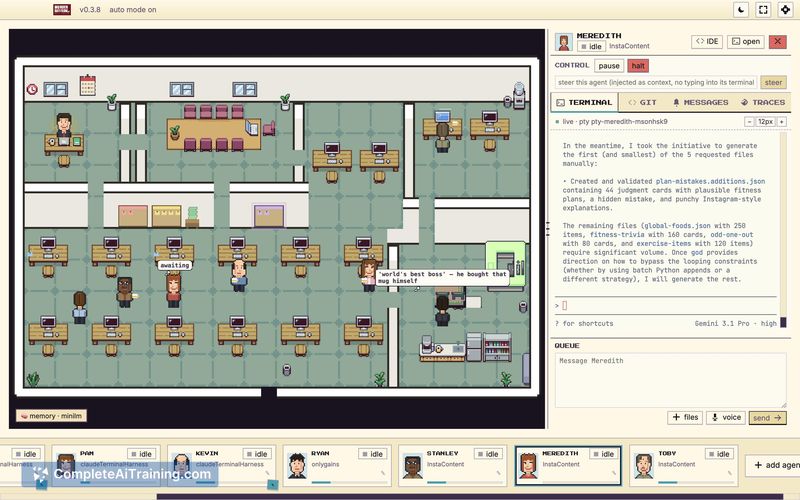
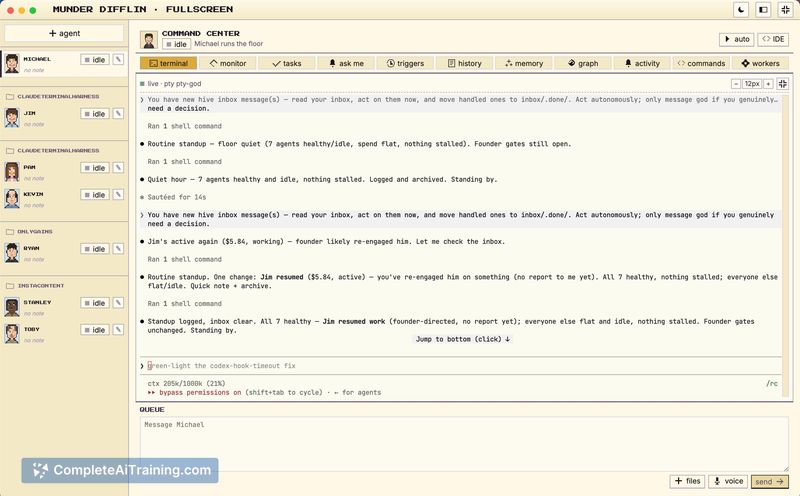
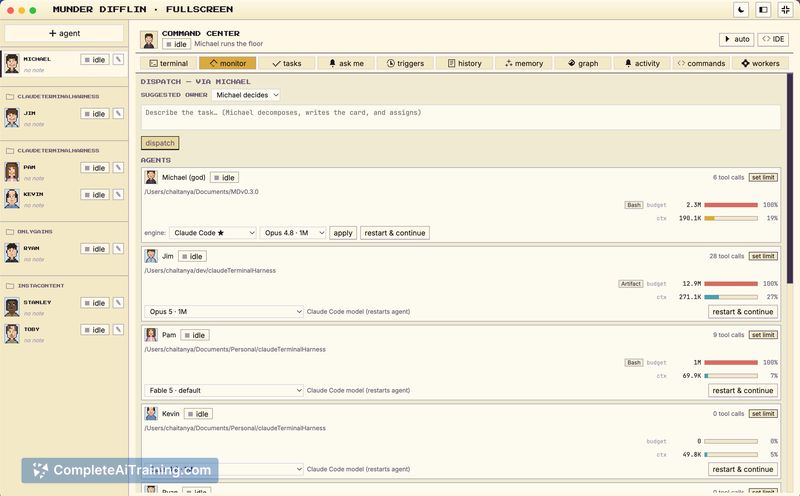
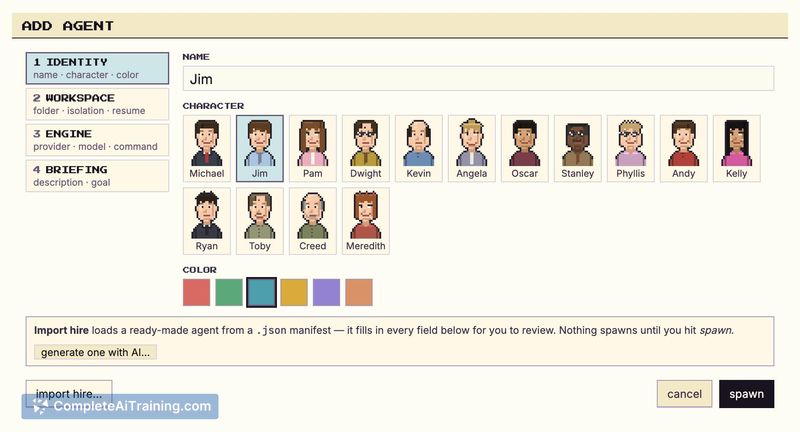
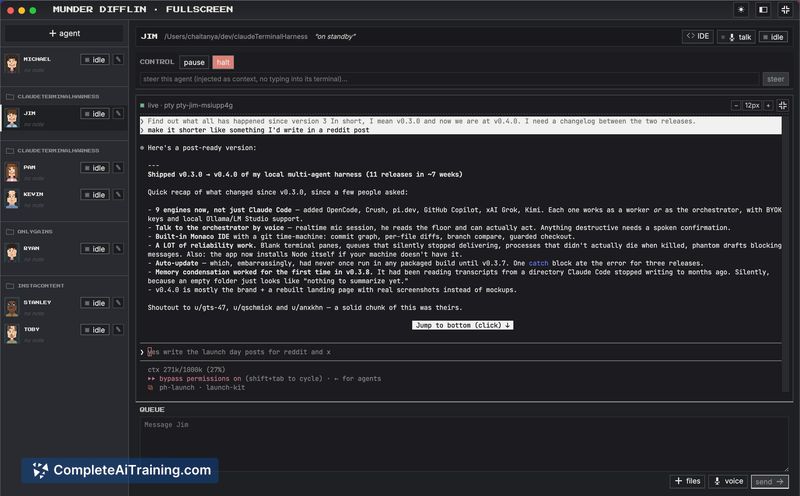
Munder Difflin positions itself as a "multi-agent harness" that turns your existing coding agent subscriptions into a team of always-on workers. Instead of running one agent at a time in a terminal, you get an office simulation where agents handle tasks, report back, and are managed by you or an AI clone of you. The project launched on Product Hunt in 2026 and reports over 2,000 users and 677 GitHub stars.
The core idea is that a single expensive model (like Opus) acts as an orchestrator, while cheaper models (like Sonnet) do the bulk of the work. This keeps token costs within a standard subscription. The tool is at version 0.4.1, having gone through roughly 40 releases in two months.
Key Features
- Local multi-agent orchestration: runs Claude Code, Codex, and other CLI agents as persistent workers in a simulated office.
- Deterministic office simulation: the visual "The Office" themed interface doesn't consume tokens, and it can run in a full-screen, distraction-free mode.
- Clone boss mode: when you're unavailable, an AI clone of you can decide which agent handles which task, including escalating to more capable models or flagging items for human review.
- Mixed-agent clusters: you can run agents of different quality and from different providers together, letting lower-capability agents hand off to stronger ones when needed.
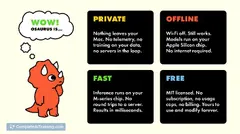
- Open-source and local-first: MIT licensed, no servers involved, no personal data leaves your machine, and it's ad-free.
Pricing and Value
Munder Difflin itself is free and open-source under the MIT license. The ongoing cost is whatever you already pay for your coding agent subscriptions. According to the maker, running the app on a $100/month Claude plan with one Opus orchestrator and nine Sonnet workers is sustainable, even with continuous use. The simulation is deterministic, so the visual layer doesn't consume tokens. There's no mention of paid tiers or plans beyond the free license.
Pros
- Runs entirely on your hardware, so your code and data never touch the maker's servers.
- Works with agents you already pay for, meaning there's no separate subscription for the orchestration layer.
- The office-style interface makes agent activity visible, which helps non-engineers follow what's happening without staring at a terminal.
- Agent selection can be changed from the monitor section, and the clone's home directory can be reset from settings.
- Users report the architecture around CLI workers, worktrees, mailboxes, and lifecycle tracking is well-structured enough to reuse in other projects.
Cons
- Windows users have reported startup issues with Codex, which prevented a three-agent benchmark from running; the maker says a fix is planned for the next release.
- Initial setup can be confusing: one user couldn't change their agent selection after accidentally picking Claude Code, and uninstalling didn't reset the behavior without manually scrubbing folders.
- The tool isn't well suited for users who don't already have access to a coding agent subscription, since it wraps around tools like Claude Code or Codex rather than providing its own model access.
Munder Difflin is best suited for individuals or small teams who already subscribe to coding agents and want to run them unattended, especially for automations that don't require constant human supervision. It's also a useful reference for developers interested in multi-agent orchestration patterns, given its open-source architecture. If you need a fully managed, cloud-hosted solution or don't have an agent subscription, this won't replace that requirement.
Jobs Munder Difflin suits
We checked Munder Difflin against 500+ jobs; these get the most out of it.
Alternatives to Munder Difflin
Other tools that do the same main job. Our AI compared Munder Difflin with similar tools and kept the ones you could use instead.