AI tool
Once UI 2.0
Once UI 2.0 is an open-source design system for building React products with less repetitive code. It provides components, design tokens, and task guides that help both developers and coding agents produce consistent, readable interfaces.
About Once UI 2.0
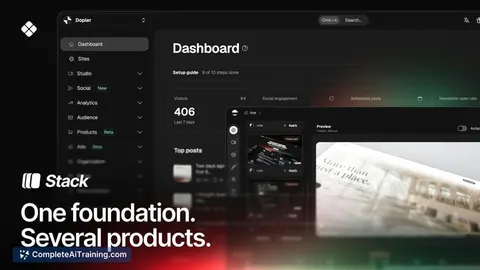
Once UI 2.0 is an open-source design system and frontend infrastructure built for creating consistent React applications. It supplies a shared set of components, design tokens, and readable layout primitives that reduce repetitive coding. Version 2.0 introduces a component catalog, compact rules, and task guides specifically structured so that both developers and AI coding agents can work within the same system.
Review
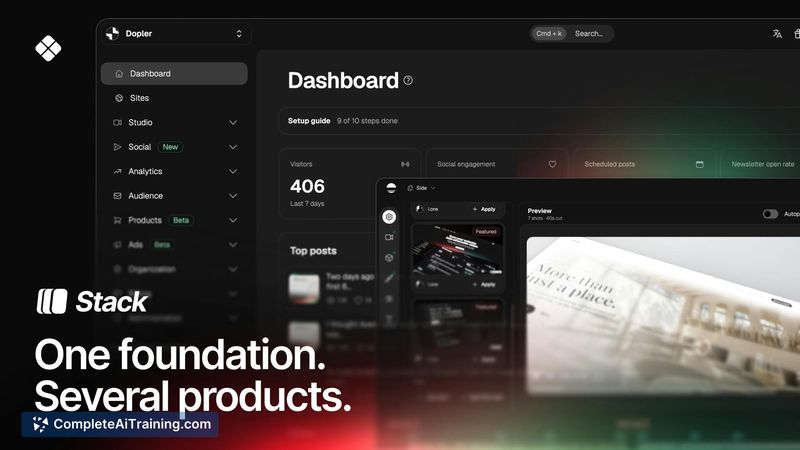
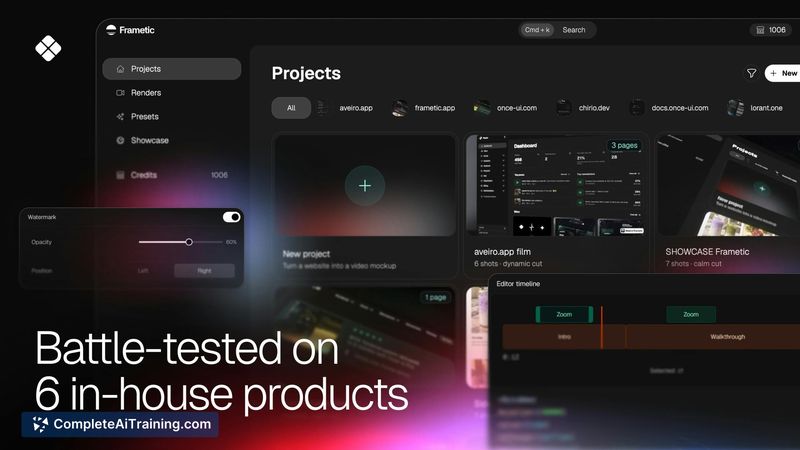
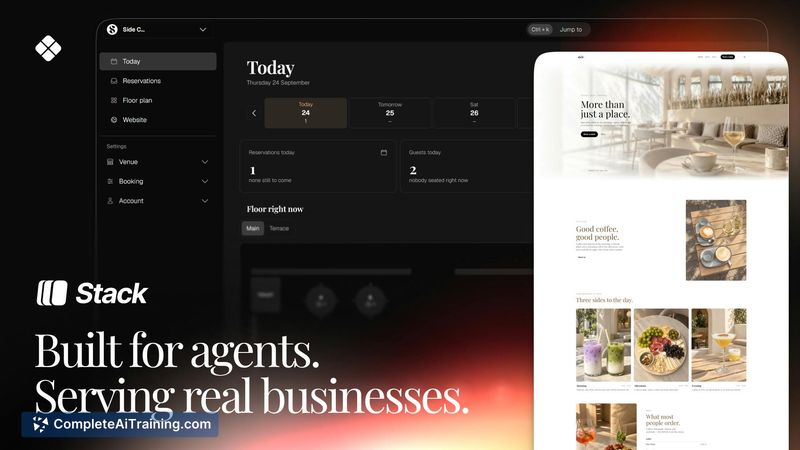
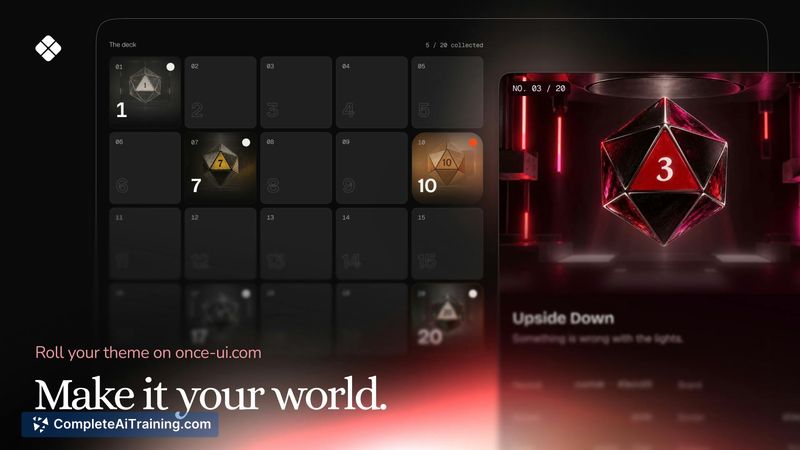

Once UI 2.0 approaches interface building as a coherence problem rather than a component generation problem. The system gives you and your coding agent a common vocabulary-components, tokens, and APIs that follow predictable patterns across screens. This review examines what the tool ships today, where it fits, and where it doesn't.
Key Features
- Open-source component catalog with design tokens. The system provides React components backed by shared design tokens, so visual properties stay consistent as the product grows.
- Agent-oriented rules and task guides. Compact documentation and examples help AI coding agents interpret and apply the system correctly, reducing guesswork during code generation.
- Readable layout primitives. Developers compose interfaces using primitives that map directly to visual structure, making the resulting code easier to scan and modify.
- Predictable APIs across components. Components follow consistent patterns, so switching between manual coding and agent-assisted coding doesn't require re-learning conventions.
- Preview-tested foundations. The 2.0 release was tested through real product work using Vercel Preview Deployments, which means components were evaluated in context, not just in isolation.
Pricing and Value
The core of Once UI 2.0 is open source and available at no cost. A previous launch, Once UI Pro for Next.js, was offered as a paid product, but the 2.0 release page does not list current pricing for any Pro tier. The exact pricing model for additional features beyond the open-source core is not yet defined on the launch page.
Pros
- Open-source core lets teams inspect, modify, and integrate the system without licensing friction.
- Component APIs stay consistent, which helps when switching between writing code directly and reviewing agent-generated output.
- Rules and task guides give coding agents enough structure to use components correctly across multiple screens.
- Preview Deployments during development meant components were validated in working products, not just standalone demos.
- Design tokens centralize visual decisions, so a change in one place propagates through the component set.
Cons
- Teams that don't use React or Next.js will find the system incompatible with their stack.
- The agent-oriented features assume your coding agent can follow structured rules; agents without that capability won't benefit from the guides.
- Documentation for the 2.0 release is still maturing-early adopters will likely encounter gaps as the knowledge base catches up with the new APIs.
Once UI 2.0 fits teams that build React products with multiple contributors-human or automated-who need to stay aligned on visual output. It's less relevant for single-page prototypes or projects where design consistency across screens isn't a concern. Developers who prefer to work entirely without AI agents can still use the system, but they'll be carrying features designed for a hybrid workflow.
Jobs Once UI 2.0 suits
We checked Once UI 2.0 against 500+ jobs; these get the most out of it.