AI tool
Vybe
Vybe: build secure, data-connected internal apps with natural language. Empower business teams to create dashboards, workflows and tools without engineering bottlenecks-secure, team-ready apps connected to your data.
About Vybe
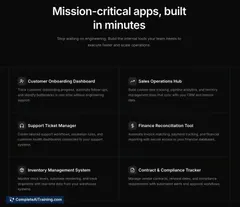
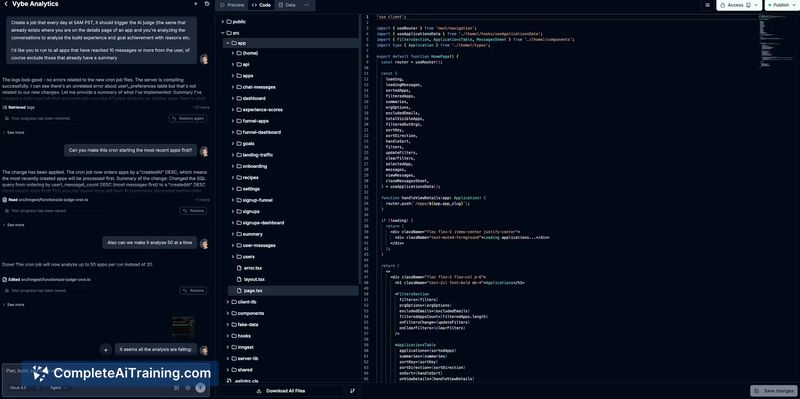
Vybe is a no-code app builder that converts natural language descriptions into production-ready internal applications. It focuses on letting non-engineering teams create tools that connect to real company data while keeping security and deployment controls in place.
Review

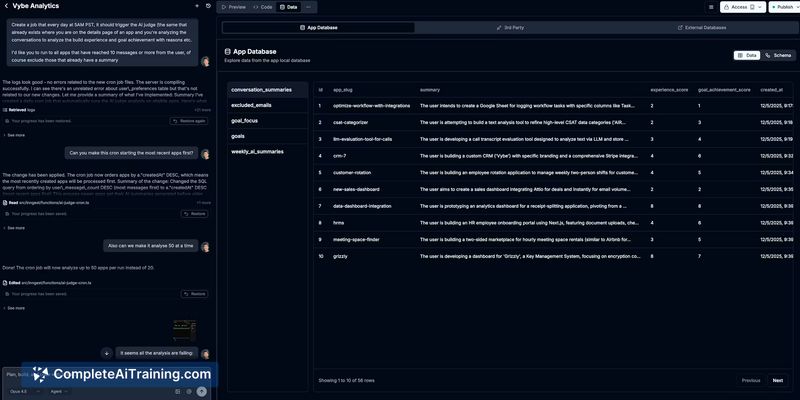
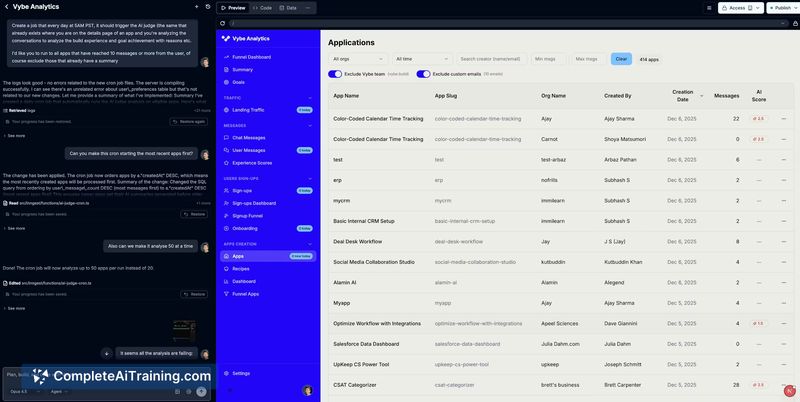
Vybe aims to bridge the gap between business teams that need internal tools and engineering teams that maintain security, integrations, and code quality. It provides a workflow where engineers set up foundations and business users can rapidly create or modify interfaces and workflows without extensive developer time.
Key Features
- Natural-language-to-app flow that generates working internal applications from plain text descriptions.
- Built-in access controls, authentication, roles and deployment support so apps can be production-ready.
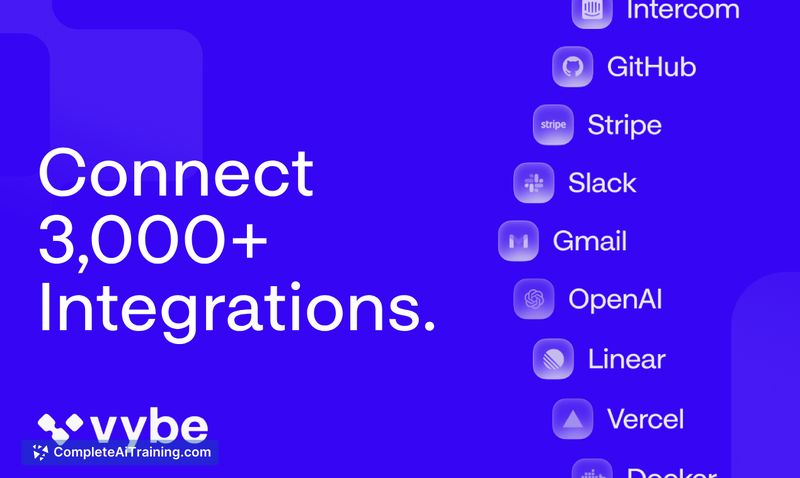
- Connectors to databases and external services with support for many integrations so tools use real data.
- Start from templates or remix existing templates to accelerate common internal use cases.
- Collaboration model that keeps real code, versioning and engineer oversight while enabling non-developers to iterate on the surface.
Pricing and Value
Vybe offers a free tier to evaluate the platform and begin building lightweight tools. Paid plans scale for teams by usage, seats, or enterprise features, with higher tiers including enhanced support and deployment controls. For teams that frequently need internal dashboards, CRMs, or workflows, Vybe can reduce backlog time and the need for repeated engineering changes, making it a cost-effective option compared with building everything from scratch or maintaining a patchwork of spreadsheets and ad-hoc tools.
Pros
- Speeds up delivery of internal tools by enabling non-developers to create and iterate on interfaces.
- Maintains an engineering-first foundation with access control and integrations, which helps preserve security and data integrity.
- Templates and remixable starting points reduce setup time for common internal applications.
- Supports many integrations so apps can operate on live company data rather than isolated copies.
Cons
- As a newly launched platform, some edge cases and complex workflows may require engineering involvement or custom workarounds.
- Teams with strict UX/UI requirements may need additional effort to align visual consistency with existing design systems.
- Initial engineering scaffolding is still required to expose the right data and permissions, which can slow initial adoption for some orgs.
Vybe is best suited for fast-growing teams that need to reduce internal backlog and enable business users to own day-to-day tooling changes while keeping engineering in charge of foundations. It works well for operations, customer success, and analytics teams that want connected, secure internal apps without a long engineering lead time.
Jobs Vybe suits
We checked Vybe against 500+ jobs; these get the most out of it.
Alternatives to Vybe
Other tools that do the same main job. Our AI compared Vybe with similar tools and kept the ones you could use instead.