MCP server · Finance and crypto
Payfetch MCP server
by forum-labs
Let your AI pay small amounts of USDC to fetch paid web pages, within spending limits you set.

Payfetch is a small helper that lets your AI pay for web pages that ask for a small fee before showing their content. It uses a crypto wallet you control, and it only spends within limits you write down in advance. It is handy for people who want their AI to use paid data services without handing over an open wallet.
What is an MCP server? The 30-second version
On its own, your AI can only chat. An MCP server is a small helper program that gives your AI a new skill or a connection to an app or service. This one connects your AI to a crypto wallet and to paid web pages, so when a page asks for a small payment, the AI can pay it for you. You stay in charge because the helper follows a spending policy you set, and no tool can raise those limits.
What this MCP server does
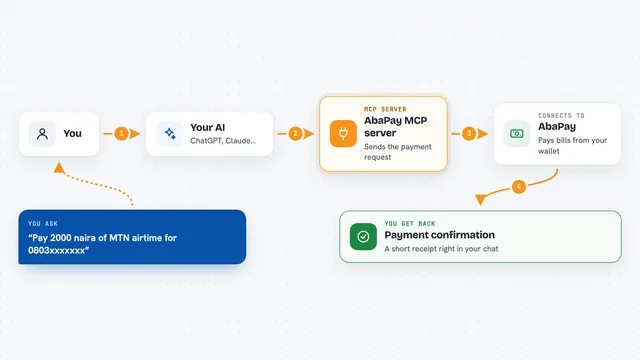
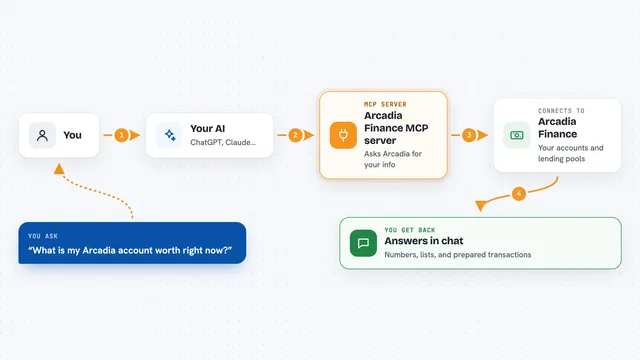
You ask your AI to fetch something from a web address. The AI passes that request to payfetch. Payfetch checks the address against your rules, like how much it may spend per call, per day, and per site. If the page asks for a payment, payfetch checks the price against your caps and approval threshold, then pays with your wallet if everything is allowed. You get back the page content, plus a note saying whether it paid, was denied, or was a dry run.
 Click to zoom
What you can do with it
- Fetch a paid web page and pay for it automatically within your limits
- Check the price and rules before paying anything, with a quote
- Run a dry run that goes through every step except the actual payment
- Set daily, per-call, and per-site spending caps
- Keep a list of sites you allow or block
- Require human approval above a certain price
- Look up a receipt for every attempt, paid or not
Try asking your AI
- “Fetch this paid API endpoint and tell me what it returns: https://api.example.com/paid-endpoint”
- “Quote the cost for https://api.example.com/paid-endpoint before paying anything”
- “Do a dry run of a paid fetch on https://api.example.com/paid-endpoint”
- “Show me today's spending and my remaining budget”
What it gives back to you
You get the content of the page you asked for, plus a short note about what happened with the payment. That note includes the amount, the wallet address that paid, a transaction reference, any warnings, and a receipt ID you can look up later. If the payment was denied, you get the reason instead of the content.
Before you start
What you need
- Node.js 22 or newer (a free program that runs the helper)
- A crypto wallet with a small amount of USDC on the Base network
- A wallet private key or key file, or a Coinbase CDP account
- An MCP client like Claude Desktop or Claude Code
Good to know
It can spend real money from your wallet, so use a dedicated low-balance wallet and set the caps carefully.
Install it with your AI
Add Payfetch MCP server to your AI, no technical skills needed
You don't install anything by hand. You copy one prompt, paste it into an AI that can work on your computer, and it checks, installs and connects the server for you, asking you when it needs something.
Sign in to get the install prompt
Members get a ready-made prompt that lets the Claude desktop app check Payfetch MCP server, install it and connect it for them, step by step. You don't need any technical skills: you copy, paste and answer a few questions. Your connected AI can also find and install any of the 4,609 MCP servers here for you.
Who it's for
People who want their AI to use paid web data or paid APIs without giving it an open wallet, especially those comfortable setting up a small crypto wallet.