MCP server · Developer tools
MemoryLens MCP server
Let your AI check a running .NET app for memory leaks and suggest code fixes.

MemoryLens is a helper that lets your AI look at how much memory a running .NET program is using and spot problems like leaks. It is made for people who work on .NET apps and want a quick memory check without installing a full profiler. If you have ever watched an app slowly eat up memory and wondered why, this is for you.
What is an MCP server? The 30-second version
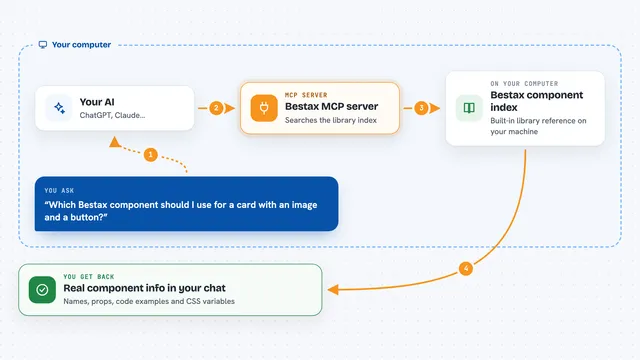
On its own, your AI can only chat with you. An MCP server is a small helper program that gives your AI a new skill or a connection to another tool. This one connects your AI to .NET memory diagnostics, so it can peek at a running program and report what is using memory. You just ask in plain words, and the AI uses this helper behind the scenes.
What this MCP server does
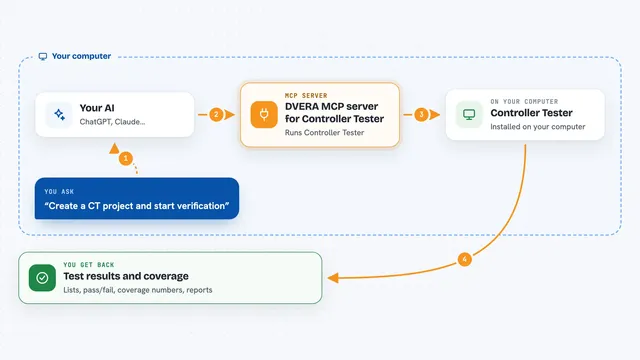
You ask your AI to look at a running .NET program, and it uses this helper to attach to that program. The helper takes a memory snapshot, which is like a photo of everything currently held in memory. Then it runs a set of built-in rules that look for common problems, like event handlers that were never removed or objects that were never cleaned up. You get back a list of findings, sorted by how serious they are, along with suggestions for how to fix the code.
 Click to zoom
What you can do with it
- List the .NET programs running on your machine that can be checked
- Take a memory snapshot of a running program by its process id
- Compare two snapshots to see what grew over time
- Find likely memory leaks and large object heap fragmentation
- Get plain suggestions for code changes that could fix the issues
- See which analysis rules are available and what they check for
Try asking your AI
- “Take a memory snapshot of my running API with PID 12345 and tell me what looks wrong”
- “Check if my app has a memory leak by comparing before and after processing 1000 requests”
- “Which .NET processes are running that I could profile right now?”
- “Analyze the last snapshot and list the findings by severity”
What it gives back to you
You get back a list of findings, each with a rule id, a severity level, and a short description of the problem. The AI usually summarizes them in the chat, ordered from most to least serious, and suggests code changes. For comparisons, you also see which types of objects grew between the two snapshots. Snapshots themselves are saved as small files your AI can refer back to.
Before you start
What you need
- The .NET 10 SDK installed on your computer
- A running .NET program you want to check
- On Linux or in Docker, permission to attach to other processes (often SYS_PTRACE)
Good to know
It attaches to a running program to read its memory, so only point it at apps you own or are allowed to inspect.
Install it with your AI
Add MemoryLens MCP server to your AI, no technical skills needed
You don't install anything by hand. You copy one prompt, paste it into an AI that can work on your computer, and it checks, installs and connects the server for you, asking you when it needs something.
Sign in to get the install prompt
Members get a ready-made prompt that lets the Claude desktop app check MemoryLens MCP server, install it and connect it for them, step by step. You don't need any technical skills: you copy, paste and answer a few questions. Your connected AI can also find and install any of the 4,609 MCP servers here for you.
Who it's for
This is most useful for .NET developers and anyone troubleshooting memory growth in a .NET application.