
AI news ·
Agentic AI can help Jamaica's under-resourced sport federations close their staffing gap
Most sport federations run on skeleton crews-12 of 29 Olympic-recognised bodies have fewer than four full-time staff. Agentic AI can handle drafting, databases, and reporting, freeing boards to focus on governance.
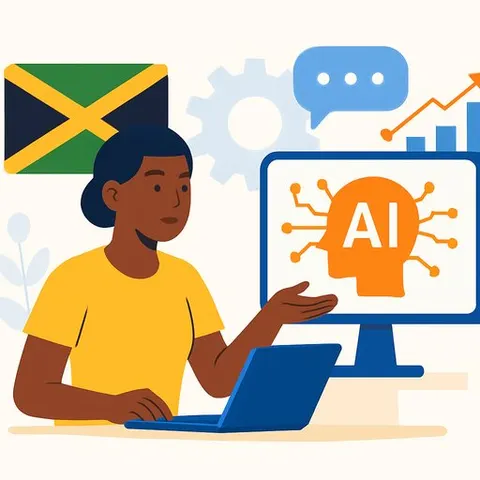
Sport Governing Bodies Can Solve Staffing Crisis With Agentic AI
Jamaica's national sport federations operate with skeleton crews. Most have one to five paid staff members and depend on volunteers who cannot provide the consistency of full-time professionals. The Jamaica Cricket Association's recent decision to eliminate its CEO position shows how severe the financial strain has become.
The problem extends globally. A governance review of 29 International Olympic Committee-recognised international federations found that 12 had only one to three full-time staff, and three had none. Only five federations employed ten or more people.
Weak administrative capacity forces boards into day-to-day management instead of strategic oversight. When boards spend time on operations rather than governance, long-term planning suffers.
What agentic AI can do
Agentic AI systems can plan and execute multi-step tasks, make decisions based on context, and work with light human oversight. Unlike traditional AI that waits for instructions, agentic AI identifies what needs attention, decides the next step, and acts toward a goal.
For sport organisations, this means delegating administrative work that currently consumes volunteer and board time. The AI can draft letters, notices, agendas, and minutes; maintain membership databases; respond to routine queries; and prepare policies, annual reports, and compliance trackers.
It can also generate grant proposals, sponsorship packages, budget templates, donor reports, newsletters, and media talking points. Beyond paperwork, agentic AI produces event manuals, schedules, competition draws, press releases, and social media content while coordinating volunteers and managing workflows.
The result is professional output that small organisations cannot normally produce without hiring multiple staff roles.
Boards stay in control
This approach does not replace people. It fills the administrative void that undermines governance. Boards retain all decisions about strategy, ethics, and oversight.
Leadership determines which tasks can be delegated safely, what approvals are required, how outputs are reviewed, and how accountability is maintained. AI handles the workload. Boards remain responsible for direction.
Sport federations that adopt AI deliberately and map it to their processes can professionalise operations without increasing payroll, reduce volunteer burnout, improve compliance, strengthen board effectiveness, and build stakeholder confidence.
Boards should prioritise training in AI Agents & Automation and AI governance. Those that move quickly will set a new standard for how sport organisations operate.