
AI news ·
AI boosts demand for liberal arts skills as technical tasks become automated, Wake Forest expert says
Employers are dropping GPA screens and paying more for critical thinking as AI handles routine technical work. Only 34% say recent graduates are well prepared in those skills.
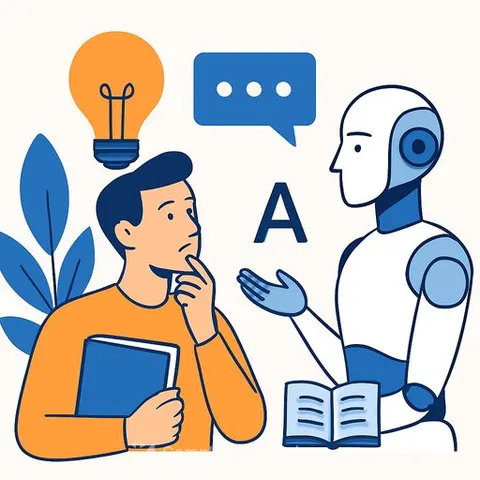
Liberal Arts Education Gains Ground as AI Reshapes Job Market for New Graduates
The entry-level job market is shifting in favor of graduates with broad critical thinking skills rather than narrow technical expertise, according to education leaders watching AI's impact on hiring.
The National Association of Colleges and Employers rated 2026 a "fair" job market-the first neutral rating since 2009. In this environment, employers increasingly value what Andy Chan, Vice President for Innovation and Career Development at Wake Forest University, calls the "strategic doer": someone who combines analytical thinking with the ability to execute.
AI Has Flipped the Value of Soft Skills
As artificial intelligence automates routine technical tasks, the market is reversing which skills command premium pay. Critical thinking and ethical reasoning-historically dismissed as "soft skills"-have become durable, high-stakes capabilities that machines cannot replicate.
AI has made the "how" of work cheaper and more accessible. Employers now pay for the "what" and "why"-the human judgment required to set direction and ensure ethical outcomes.
The Skills Gap Is Real
A disconnect exists between what employers want and what graduates deliver. The American Association of Colleges and Universities found that 96% of employers value constructive dialogue, yet only 34% say recent graduates are "very well prepared" in critical thinking and communication.
According to LinkedIn's 2024 Work Change Report, 70% of job skills will shift by 2030 due to AI. Yet Chan argues that AI proficiency is merely the new calculator-essential to learn, but only as useful as the strategic judgment guiding its use.
Hiring Has Already Started to Change
Only 42% of employers plan to screen candidates by GPA in 2026, down from 73% in 2019, according to NACE. Employers increasingly prioritize demonstrated adaptability and problem-solving over academic credentials.
Graduates are responding by building portfolios through micro-projects-short, focused work samples that show adaptability and concrete results. Seventy percent of employers now prioritize this kind of evidence over traditional metrics.
For education professionals, this shift signals a need to rethink how institutions prepare students. The focus should move toward projects that require judgment calls, not just technical execution. Understanding AI for Education and exploring how AI Learning Path for Teachers can support this transition may help educators design curricula that actually match market demand.