AI in internal comms: trust, risk, and a simple playbook for HR and writers
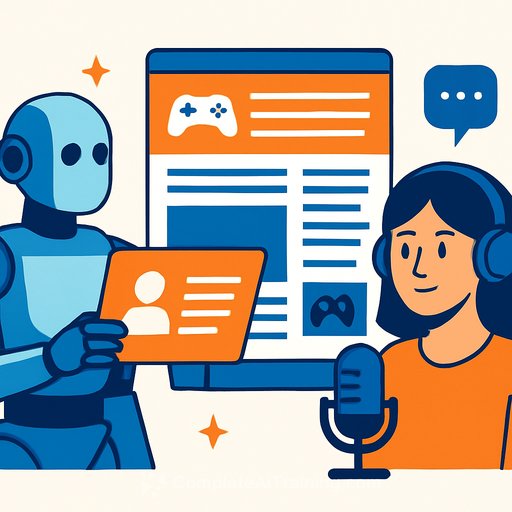
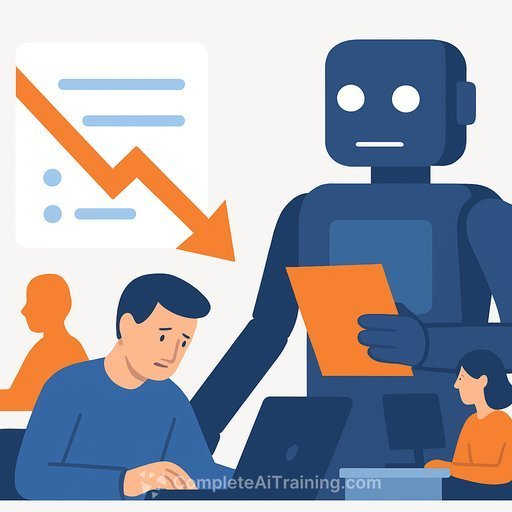
A recent flare-up in the U.K. showed what happens when people feel replaced, not supported. A coding course at Staffordshire University leaned heavily on AI-slides, synthetic lecturer voice, and generic content that missed local context. Students pushed back. The lesson for HR and communication leaders is clear: trust is the currency, and AI can either spend it or invest it.
What the research says about trust
In a 2025 study in the International Journal of Business Communication, researchers tested supervisor emails written with low, medium, and high AI assistance. The more AI took over, the more trust dropped-especially on messages meant to show care or praise. People rated AI-written content as clear and professional, but they questioned the sender's authenticity and intent.
Two kinds of trust matter: cognitive trust (are you competent?) and affective trust (do you care?). Managers need both. If a manager outsources a relational message to AI, employees read it as distance, not efficiency.
Where AI fits-and where it backfires
- Use AI more: logistics, reminders, policy updates, FAQs, meeting summaries, scheduling, basic knowledge-base replies.
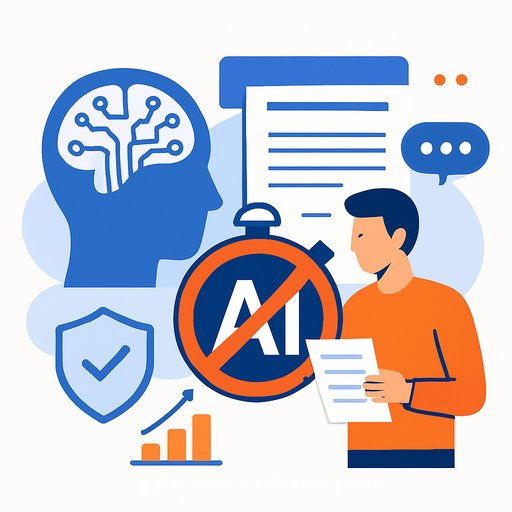
- Use AI lightly (or not at all): recognition, motivation, performance reviews, crisis notes, apologies, sensitive policy changes, layoffs, pay changes.
Employees are fine with AI on transactional tasks. They want a human voice on anything that signals respect, fairness, or care.
Disclosure: say you used AI?
In experimental work on CEO "digital twin" videos, disclosure that AI was used significantly reduced perceived authenticity-while non-disclosed AI looked similar to a real video. Context mattered. A generic update? Lower risk. A crisis or apology? High risk. Transparency rules won't be one-size-fits-all. Set standards by message type and stakes.
Co-piloting, not outsourcing
Senior comms leaders report real benefits: faster drafting, better summaries, improved listening via data analysis, and personalization. But the consensus is firm-keep a human at the center. Let AI accelerate the work. Don't let it replace the human experience that employees expect.
Practical playbook for HR and managers
- Decision tree: If the message is relational or high-stakes, draft it yourself. If it's transactional, AI assist is fine.
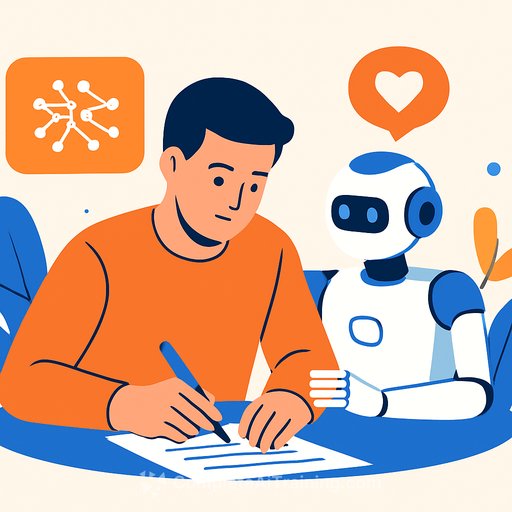
- Draft with your brain: Write a quick human first draft for tone and intent. Use AI to polish, tighten, and catch blind spots.
- Be specific: Add real details-names, actions, outcomes. Specifics signal care that AI can't fake.
- Tone guardrails: Define voice, banned phrases, and clarity rules. Share short examples of "good" and "off."
- Disclosure rules: Decide when to disclose based on stakes, audience, and format. Keep it consistent.
- Approval workflow: For high-stakes notes, require a second human review. No solo AI sends.
- Data hygiene: Block sensitive input into public tools. Log tools used. Respect retention rules.
- Feedback loop: After major comms, survey a small sample for clarity, care, and trust. Adjust.
- Training plan: Teach leaders to write faster, clearer, and more empathetically-with and without AI.
- Metrics: Track read rates, response quality, escalation volume, and trust sentiment over time.
AI usage policy starter (steal this)
- Permitted uses: outlines, grammar/style edits, summaries, translation, formatting, accessibility tweaks.
- Restricted uses: performance reviews, disciplinary actions, compensation changes, crisis or legal notices, apologies.
- Disclosure: Required for mass messages that materially affect employees; optional for low-stakes logistics.
- Attribution: Leaders are accountable for every message sent under their name-AI or not.
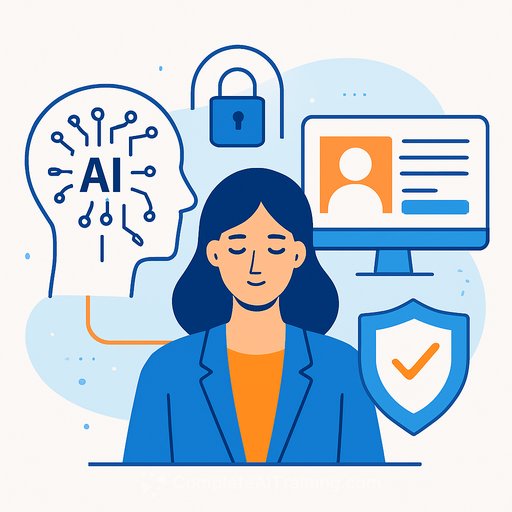
- Privacy: No sensitive personal or company data in public AI tools. Use approved systems only.
- Review: High-stakes messages require human peer review. Keep revision history.
Message checklist (2-minute quality control)
- What do I need the reader to think, feel, and do?
- Is this transactional or relational?
- Did I draft the core message myself?
- Did AI only polish, not decide the message?
- Does it include specifics (names, actions, outcomes)?
- Is the tone clear, respectful, and direct?
- Would I say this out loud in the same way?
- Do I need to disclose AI use here?
Before/after examples
Too generic: "Great job team on Q4. Your hard work is appreciated."
Better: "Great work on the Q4 launch. Priya's QA caught the checkout bug before go-live, and Luis's fix cut load time by 22%. Because of that, we hit 99.3% success on day one."
Too distant: "We value your contributions. Keep it up."
Better: "Maya-your onboarding guide reduced tickets by 18% this month. That's real relief for our support team. Thank you."
What to automate vs. what to keep human
- Automate: meeting notes, action-item summaries, calendar logistics, first drafts of routine updates, formatting for accessibility, translation checks.
- Keep human: recognition, feedback, hard news, performance decisions, crisis updates, cultural touchpoints.
Avoid skill atrophy
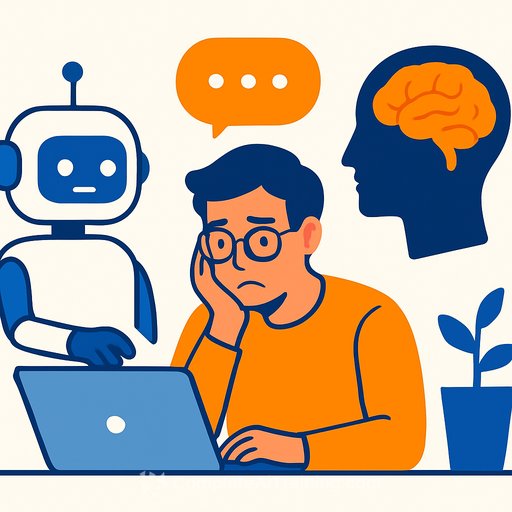
Write from scratch on purpose a few times each week. Keep a personal swipe file of messages that worked. If AI isn't saving time or clarity, stop and rewrite. Your voice is an asset-protect it.
Useful sources
- International Journal of Business Communication - research on workplace writing and trust.
- Public Relations Review - studies on internal communication and AI practice.
Upskill your team
If you're building a co-pilot approach across HR and comms, train managers on prompts, review workflows, and tone. Curated courses by role can help you move fast without losing the human touch.
Bottom line: AI can make your writing cleaner. Only you can make it caring. Use the tool. Keep the trust.
Your membership also unlocks: