Why Hospitality Skills Give Every Business an Edge in the AI Shift
AI is rewriting how work gets done. But tech alone won't carry your customer experience or your culture. The gap is human: empathy, creativity, adaptability, kindness, resilience, and cultural intelligence.
These are the strengths hospitality has refined for decades. They're hard to automate and priceless when AI drives more of your front line. Put simply: AI handles tasks. Hospitality skills make those tasks land with care, trust, and loyalty.
AI is efficient. People make it meaningful.
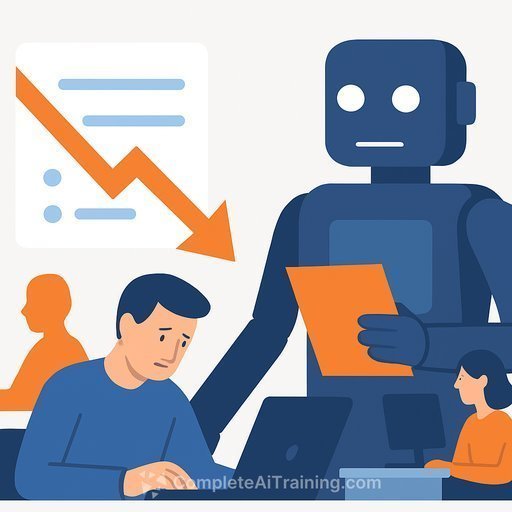
By 2030, banking, healthcare, and retail are set to lean heavily on agentic AI-systems that solve complex problems in real time. That boosts accuracy and speed, but it can flatten the emotional tone of service if left unchecked.
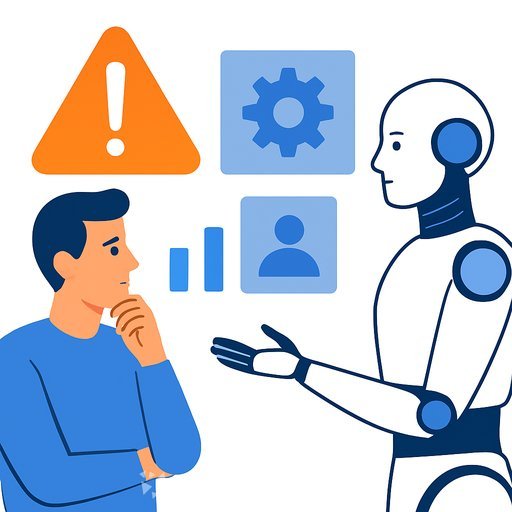
Use hospitality skills to decide where AI fits and where humans must step in. A bot can reset a password. A person should handle fear, frustration, or sensitive money and health questions. AI can build rotas; a manager still needs to judge uncertainty, fatigue, and the impact of changes on people.
Hospitality skills: the difference customers feel
- Empathy: sensing emotion and responding with care.
- Creativity: finding small, memorable fixes on the spot.
- Adaptability: staying calm and effective as conditions change.
- Kindness: turning policy into humane action.
- Resilience: handling pressure without passing it to the customer.
- Cultural intelligence: reading context, norms, and language cues.
These skills power personalisation: multilingual greetings, menu or policy tweaks that respect culture, noticing unspoken needs. Good hospitality doesn't just react-it anticipates. That's the glue of loyalty.
The "what" vs. the "why"
Technology manages the "what": facts, forms, transactions. Hospitality delivers the "why": meaning, care, and trust behind the interaction. Pair them, and routine touchpoints become relationship builders.
Three moves for Managers and HR to fuse AI with hospitality
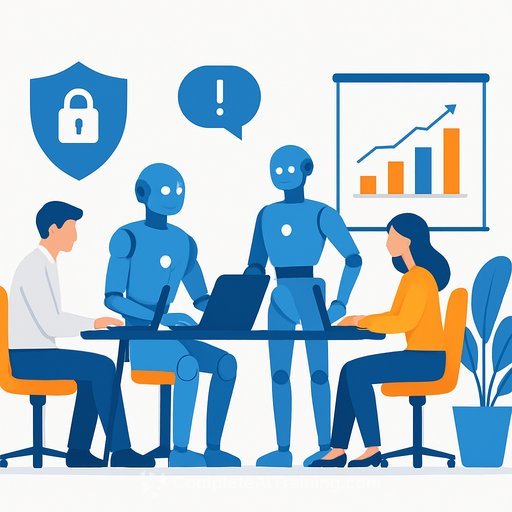
- Blend AI fluency with hospitality training. Teach teams how your AI works, its limits, and how to escalate to humans. Layer in empathy, clear language, tone control, and de-escalation. Measure both: AI usage accuracy and customer sentiment. AI can prompt what to say; people must deliver it with warmth and judgment.
- Design the end-to-end experience. Map every touchpoint. Tag tasks as "AI-first," "human-first," or "hybrid." Set rules: emotion, ambiguity, or high-stakes decisions go to people. Use AI to reduce wait times and surface context; use hospitality skills to resolve concerns and build connection.
- Build hospitality into AI development. Involve service staff in training data, prompts, and tone guidelines. Coach the system to prioritise clarity and care. Example: a banking app can auto-suggest loan options, but people explain trade-offs and check life context-so recommendations feel helpful, not pushy.
Hiring and performance: make it concrete
- Signals to hire for: stories of resolving tense situations, examples of anticipating needs, and evidence of inclusion-minded service.
- Interview prompts: "Tell me about a time you changed a policy interaction into a positive memory." "Describe how you read a customer's unspoken concern and acted."
- Metrics that matter: CSAT/NPS with verbatim reviews, first-contact resolution, complaint-to-loyalty conversion, speed-to-reassurance on sensitive cases, and retention in service roles.
The business case is strong
Hospitality is a major engine for jobs and inclusion in the UK, and a leader on social value relative to output. It contributes billions to the economy and employs large numbers of under-25s, part-time workers, and minority groups. Investing in these skills doesn't just improve service quality-it strengthens resilience and broadens opportunity across your organisation.
Quick wins to put this into practice
- Audit top customer interactions. Mark moments where emotion, ambiguity, or risk is high-keep those human-led.
- Create simple triage rules for your chatbot or phone tree based on sentiment, account value, and sensitivity.
- Write a tone guide: warmth first, plain language, short sentences, no jargon. Train AI prompts and people on the same guide.
- Run monthly reviews of transcripts or recordings. Coach for empathy, clarity, and outcomes-not scripts.
- Give teams a learning path that pairs AI skills with hospitality practice. If you need a starting point, explore the AI Learning Path for Training & Development Managers.
The companies that win with AI will keep service human at the moments that matter. Let technology handle the heavy lifting-so your people can deliver care, context, and connection.
Technology can enhance, not replace, the human touch.
Your membership also unlocks: