
AI news ·
AI-driven ad platforms reduce marketer control and increase campaign volatility
AI algorithms now control ad targeting, placement, and optimization-often without marketers knowing why decisions are made. The opacity makes performance unpredictable and strategic planning harder to justify.
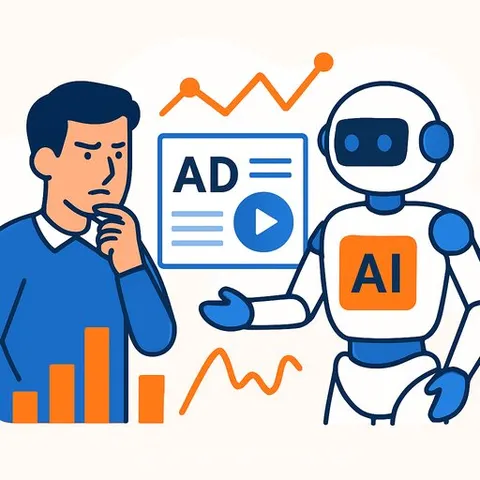
Marketers Lose Control as AI Algorithms Drive Ad Decisions
Algorithm-driven systems are making more advertising decisions without human input, leaving marketers with less visibility into how their campaigns actually work. Audience targeting, ad placement, and creative optimization now depend heavily on opaque systems that marketers cannot easily audit or override.
This shift creates practical problems. Marketers struggle to measure performance consistently or validate their own strategic choices. They cannot reliably compare results across channels or test different approaches on their own terms.
Brand Spending Bears the Biggest Risk
Brand-building campaigns face the steepest challenges. These efforts target longer time horizons and are especially vulnerable to fraud, yet measurement limitations make it harder to detect problems or prove ROI.
The opacity also introduces volatility. When algorithms control delivery and optimization, performance can swing unexpectedly. A campaign's results may shift dramatically without warning, and diagnosing what went wrong becomes nearly impossible.
Volatility Spreads Beyond Campaign Management
Performance-oriented direct-to-consumer marketers are already experiencing these swings firsthand. The unpredictability ripples outward, affecting planning and forecasting across the entire marketing function.
For marketing leaders, the uncertainty undermines confidence in media strategy itself. When you cannot reliably predict or explain campaign outcomes, building a coherent strategy becomes harder.
Understanding how AI systems influence your marketing decisions is essential. The AI for Marketing resource covers these dynamics in detail. For executives managing media strategy and budget allocation, the AI Learning Path for CMOs addresses how to work with algorithmic systems while maintaining strategic control.