
AI news ·
Drum Awards judges say clear human ideas outperform complex AI-heavy campaigns
Simple, clear campaigns beat technically complex ones at The Drum Awards 2026. Judges consistently rewarded work with a direct human idea over entries loaded with AI tools and optimization layers.
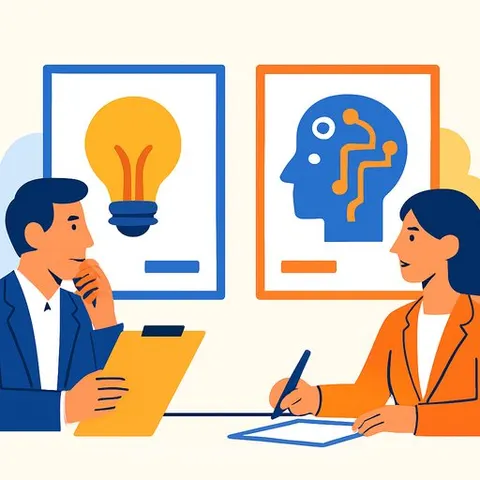
Clarity, Not Complexity, Won at This Year's Marketing Awards
The campaigns that stood out at The Drum Awards for Marketing 2026 weren't the most technically sophisticated or AI-heavy. Judges repeatedly gravitated toward work that communicated a clear human idea with emotional directness and strategic discipline.
That pattern emerged across hundreds of entries reviewed in New York. When senior marketers evaluated campaigns back-to-back, clarity itself functioned as a competitive advantage.
What judges actually remembered
Gabriela Lancellotti, associate marketing director at the Museum of Modern Art, said the strongest campaigns communicated their emotional insight almost immediately. "The cases that stood out were the clearest ones," she said during judging.
That clarity separated campaigns judges admired from those they simply forgot. Many weaker entries felt overloaded-packed with platforms, technical layers, AI terminology, and optimization mechanics, but lacking a simple central truth.
The strongest work trusted the audience more. It got to the point faster.
The risk problem
Andrew Katz, CMO of Athletic Brewing Company, noted that many brands struggle with creative bravery even while talking constantly about disruption. "Why are so few brands pretty risky?" he asked during judging.
Many campaigns demonstrated sophisticated execution. Fewer showed real distinctiveness, emotional confidence, or cultural sharpness.
Why AI may demand more creativity, not less
As more brands gain access to similar production tools and targeting capabilities, originality increasingly comes from judgment, taste, and conviction rather than technology alone. Several judges suggested the rise of AI may actually be making creative bravery more important.
The best campaigns used technology almost invisibly. AI appeared most effective when it sharpened an idea rather than becoming the idea itself.
Chris Irwin, head of brand and creative at Barclays US Consumer Bank, pointed toward the growing importance of trust and transparency as AI becomes embedded in marketing workflows. "I kind of have to see underneath it," he said, describing the need for human oversight.
Campaigns that felt over-engineered or overly synthetic tended to struggle emotionally, regardless of execution sophistication. Meanwhile, campaigns rooted in genuine customer understanding consistently performed strongly.
Consumer focus, not channel focus
Daniel Mohnshine of Hershey said enduring brands succeed because they maintain obsessive focus on the consumer rather than the channels. "Hershey has always put the consumer at the center of everything," he said.
Cheryl Rodness, head of corporate brand at Quest Global, argued that too many marketers artificially separate brand-building from performance when audiences experience them simultaneously. "Brand and demand have to be one and the same thing," she said.
The highest-scoring work combined emotional storytelling with measurable business impact rather than treating them as competing objectives.
The shift toward simplicity
For years, the industry rewarded complexity: more data, more channels, more personalization, more automation. Inside this year's judging rooms, the work that cut through most effectively often did the opposite.
It simplified and clarified. That may be the key to cutting through in the AI for Marketing era.
For marketing managers navigating these shifts, understanding how to balance AI tools with creative clarity and human judgment has become essential. The AI Learning Path for Marketing Managers offers frameworks for making those decisions.