AI-powered toys and gadgets drive growth in China's commodity hub
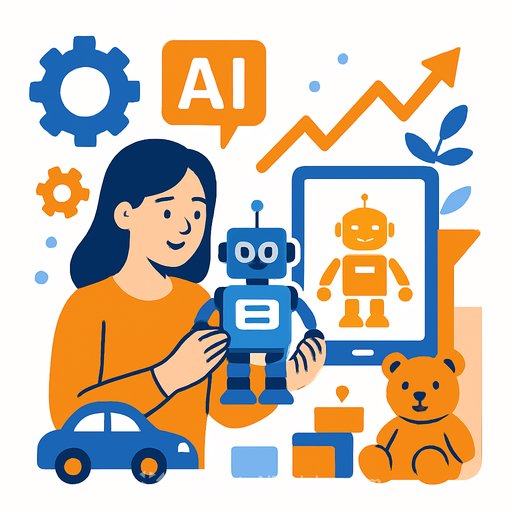
Yiwu, China's center for small goods manufacturing, is seeing a surge in AI-enabled products-from plush toys with voice recognition to eldercare robots with telemedicine features. The shift signals how AI is moving from niche technology into everyday consumer goods.
K-Bao, an AI plush toy with oversized eyes, exemplifies the trend. The toy combines voice recognition and emotion-sensing capabilities with a simple, child-friendly design. It's one of dozens of products now integrating AI into Yiwu's traditionally low-cost commodity market.
Sales numbers reflect market momentum
Toy exports from Yiwu hit 25.63 billion yuan ($3.7 billion) in 2025, up 20.1 percent from the previous year, with smart toys driving much of the growth, according to CCTV News. The gains suggest that consumers are willing to pay more for AI-enhanced versions of familiar products.
Beyond toys, AI is spreading across wearables and household appliances. Products now include health monitoring, voice assistants, and automation features that were rare in commodity goods just years ago.
Why now: AI has become affordable
The shift hinges on cost. As AI technology becomes cheaper and more efficient, it becomes practical for low-margin products like toys and small appliances. The Stanford Institute for Human-Centered AI documented this trend in its 2025 AI Index Report, noting that AI is becoming more accessible across industries.
China's large consumer market provides scale. Manufacturers can integrate AI into millions of units, spreading development costs thin enough to keep prices competitive.
What this means for sales professionals
The Yiwu market demonstrates real demand for AI-powered consumer goods. If you sell consumer products or B2B goods to manufacturers, this trend affects your market. Buyers increasingly expect smart features. Products without them may face margin pressure.
The China Home Appliance & Electronics World Expo in Shanghai (March 12-15, 2026) showed the scale of this shift. Exhibitors displayed AI-enabled appliances and robots alongside traditional consumer goods, signaling that AI integration is now standard, not optional.
For salespeople working in consumer goods, electronics, or manufacturing, understanding this trend helps you position products and identify where buyers are moving their budgets. AI for Sales training can help you speak credibly about these capabilities to procurement teams and decision-makers.
Global opportunity emerging
Chinese and multinational companies are competing for share in this market. The opportunity extends beyond Yiwu-it's spreading across China's consumer sector. Companies that understand how to integrate AI cost-effectively into everyday products have an advantage.
The pace of change is accelerating. What seemed like premium features a year ago are becoming standard. Salespeople who track this shift can anticipate customer needs and adjust their pitch accordingly.
Your membership also unlocks: