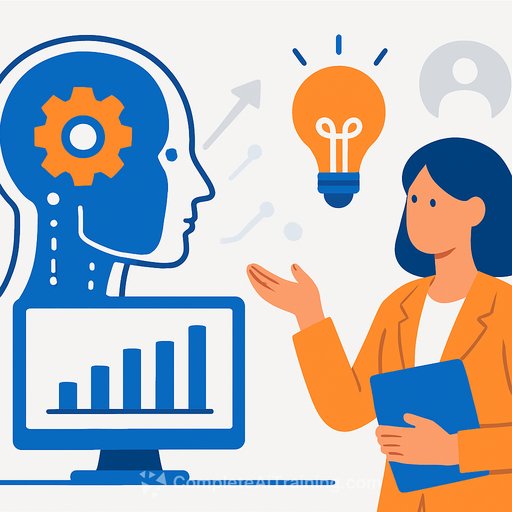
AI in HR: From admin to advantage
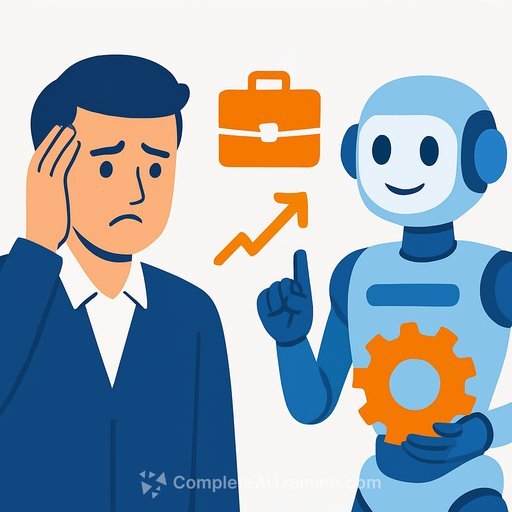
Over the next decade, AI will reshape how HR attracts, develops, and keeps talent. Generative AI and agentic AI are moving HR past busywork and into real-time, insight-led decision making.
The outcome is simple: leaders spend more time on empathy, strategy, and culture, while technology handles the operational load. HR becomes a force multiplier for the business, not a back-office support function.
From automation to intelligent augmentation
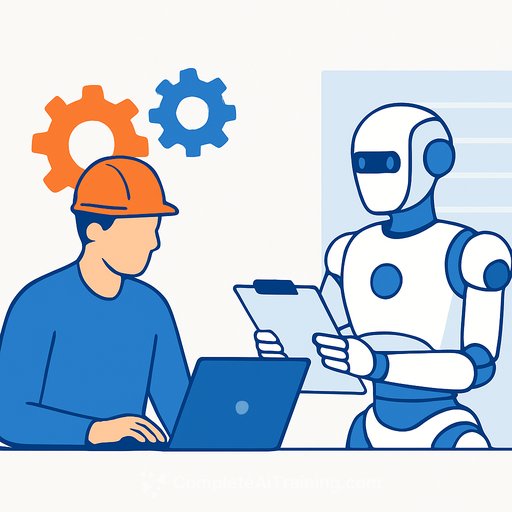
Traditional HR tech streamlined payroll, onboarding, and performance tracking. Generative AI goes further by drafting job descriptions, learning plans, and internal communications matched to tone and intent.
Agentic AI works autonomously. It can scan workforce data, flag skills gaps, recommend internal mobility moves, and build training content on demand. In recruitment, AI agents can source and screen 24/7, while conversational bots guide candidates through a clear, personalised process.
That shift frees HR and leadership to focus on talent strategy, organisation design, and culture-areas where human judgment carries the most weight.
Hurrah! Data-driven decision making
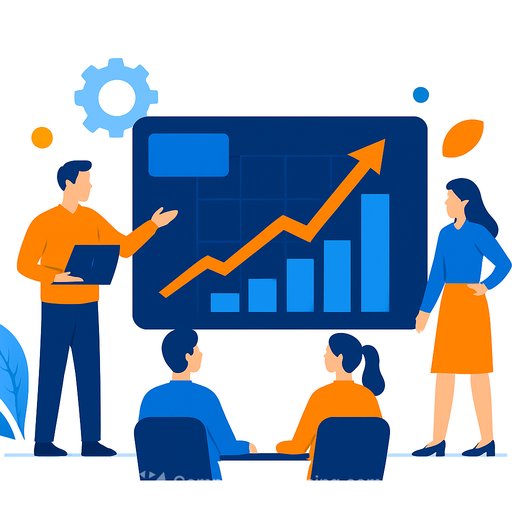
Predictive analytics will give precise visibility into workforce dynamics. You can forecast turnover, pinpoint engagement drivers, and model how org changes might affect productivity and morale-before pulling the lever.
Personalisation moves from buzzword to practice. Career paths, benefits, and wellbeing support become adaptive to each person's goals and context. In a market where purpose and personal fit drive retention, that matters.
A practical checklist for responsible AI adoption
Strategic alignment
- Does AI fit your business strategy and values?
- How will it support growth, innovation, or workforce agility over time?
- Define success metrics early: cost to hire, time to fill, retention, engagement, or customer outcomes.
Governance and ethical framework
- Set clear accountability and oversight for AI use across HR.
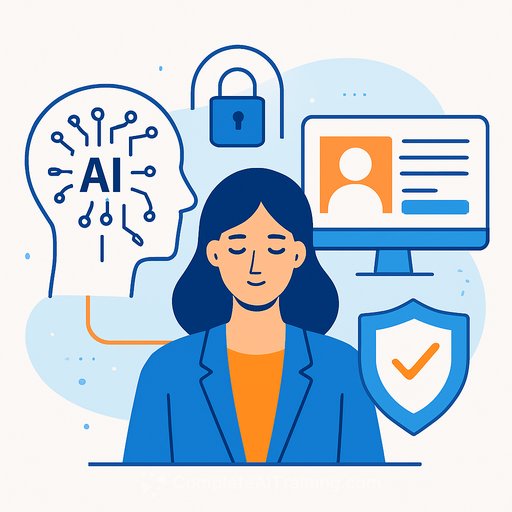
- Make transparency a standard: employees should know when and how AI influences decisions.
- Assess data use and algorithmic bias; document mitigation steps.
Legal and regulatory compliance
- Track evolving rules on AI, data protection, and employment law (e.g., GDPR and the EU AI Act).
- Run regular legal reviews to protect equal opportunity and avoid discrimination.
- Keep records of AI-supported decisions for audit and accountability.
- Useful references: GDPR (official text), EU AI Act overview.
Communication and change management
- Explain what AI means for each role and team-clear, honest, and two-way.
- Position AI as augmentation, not replacement.
- Create feedback loops so employees can raise concerns and suggest improvements.
Policy development
- Update policies covering recruitment, performance, monitoring, and data access.
- Require human oversight for high-impact decisions like hiring, promotion, or termination.
- Engage unions or employee networks early to support trust and adoption.
Capability building
- Upskill HR and people leaders in data literacy, AI ethics, and prompt fluency.
- Promote cross-functional learning with IT and data teams.
- Build a culture of continuous learning so skills keep pace with the tools.
- Practical starting point: curated programs by role at Complete AI Training.
Business agility and sustainability
- Plug AI projects into your delivery cadence so you can respond fast to market or policy shifts.
- Assess the environmental footprint of data centers, cloud usage, and model training.
- Map AI initiatives to ESG goals and report progress.
Return on investment and value measurement
- Track both hard wins (time saved, reduced turnover, faster hiring) and soft wins (employee experience, innovation).
- Start with pilots to validate value before scaling.
- Continuously review models for performance, fairness, and user satisfaction.
What stays human
Technology will reshape HR work, but it won't replace what makes HR effective: empathy, context, and principled judgment. AI will handle the data; people will handle the meaning.
The leaders who win will use generative and agentic AI to build inclusive, responsive workplaces-and move HR from reactive service to strategic partner. Start small, measure honestly, set guardrails, and train your people. The best time to begin is now.
Your membership also unlocks: