
AI news ·
AI-powered ransomware attacks push healthcare organizations toward prevention-first cybersecurity strategies
AI-powered ransomware attacks on hospitals now compress timelines from weeks to hours, as seen when the April 2026 Signature Healthcare breach diverted ambulances and halted chemotherapy. Traditional security tools can't keep pace.
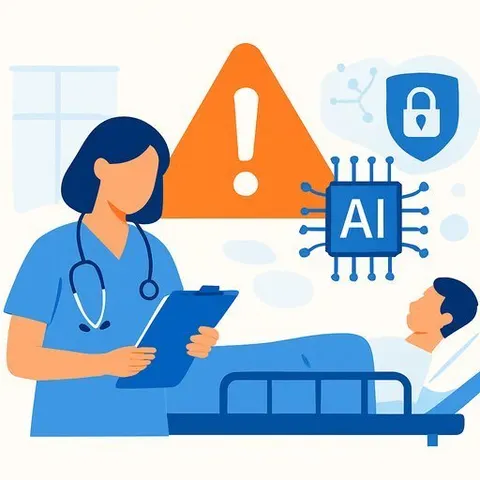
Healthcare Cybersecurity Has Fundamentally Changed
Hospitals and clinics face a new threat environment where artificial intelligence enables attackers to breach defenses faster and with greater precision than ever before. The shift happened in the past year, and traditional security tools can no longer keep pace.
Healthcare remains the largest single target for cybercriminals. Recent attacks demonstrate the stakes: the Signature Healthcare incident in April 2026 crippled IT systems, diverted ambulances, and halted chemotherapy infusions. These aren't isolated incidents-they're signs of how AI-driven ransomware now operates at scale.
How AI Has Changed Attack Methods
Attackers now deploy AI to perform real-time reconnaissance inside hospital networks, automatically identify high-value targets like electronic health records and medical devices, and compress attack timelines from weeks to hours. The speed alone creates a fundamental problem: reactive defenses arrive too late.
Insider threats have also evolved. Malicious employees use AI to bypass security controls and hide data theft. Accidental threats multiply through convincing AI-generated phishing emails and fake medical communications that exploit human trust.
Regulatory compliance has become harder to maintain. Updated HIPAA requirements now mandate stricter network segmentation, multi-factor authentication, and more frequent vulnerability assessments. Under-resourced IT departments struggle to balance defense with compliance obligations.
Three Steps to Build Resilience
Replace legacy systems with modern tools. Outdated infrastructure creates weak points attackers exploit. Automated Moving Target Defense (AMTD) prevents malware and ransomware by shifting system memory structures, leaving attackers without a stable target. Endpoint Detection and Response solutions enhanced with behavioral analytics catch threats that traditional tools miss.
Deploy AI-powered defenses. AI isn't only a weapon-it's also a shield. Real-time threat intelligence detects unusual activity instantly. Machine learning identifies suspicious emails with high accuracy. Automation handles repetitive tasks like patch management, freeing IT staff for strategic work.
Train staff to recognize threats. The human element remains critical. Regular education on phishing, suspicious activity, and security protocols reduces accidental breaches and slows intentional attacks.
What Healthcare Leaders Should Know
Healthcare organizations stand at a decision point. Adopting prevention-first strategies with modern tools is no longer optional-it's the baseline for patient safety and operational continuity.
To build skills in this area, consider exploring AI learning paths for cybersecurity analysts, which cover threat detection and security automation critical for healthcare IT teams. Broader context on AI for healthcare also helps professionals understand how security fits into the larger technology ecosystem in medical settings.
Outdated technologies and reactive strategies will fail. Organizations that transition to prevention-focused models now will protect patient care and institutional reputation. Those that delay face irreparable harm from threats that move faster than human response can match.