
AI news ·
UToledo Health cuts open charts from 400 to 30 using ambient AI documentation tool
University of Toledo Health cut open patient charts from 400+ to under 30 in eight weeks using AI that transcribes visits and auto-generates notes. The pilot covered 40 providers and 3,000 encounters.
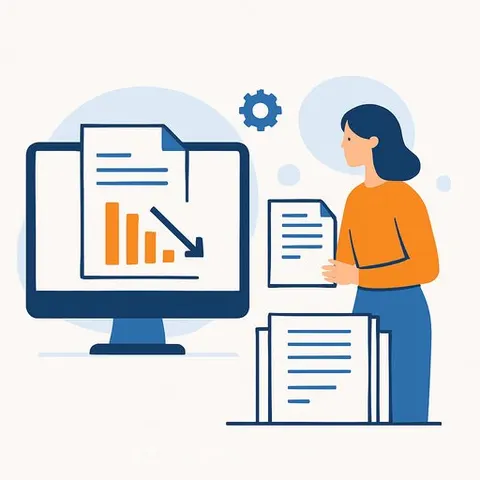
Ohio Health System Cuts Open Charts by 93% Using Ambient AI Documentation
University of Toledo Health reduced its backlog of incomplete patient charts from more than 400 to fewer than 30 in eight weeks by deploying an AI system that listens to clinical conversations and generates documentation in real time.
The health system piloted the technology with 40 providers across multiple specialties, completing over 3,000 encounters during the trial. Clinicians reported spending less time on administrative work and more time with patients.
The Problem
Electronic health records have become essential for data capture and care coordination, but they've also shifted significant clinician time away from direct patient care. At UToledo Health, physicians were completing documentation after hours, contributing to fatigue and reduced efficiency.
The backlog of open charts created downstream problems. Incomplete documentation delayed billing, introduced compliance risk, and slowed follow-up care. Clinicians divided their attention between patients and screens during visits.
Dr. Ryan Sadeghian, chief medical informatics officer at UToledo Health, said the challenge went beyond documentation time. "These issues do not remain isolated at the point of care. They impact coding accuracy, delay billing processes, and introduce risk in compliance and revenue cycle performance," he said.
The Solution
UToledo Health implemented Nabla, an AI for Healthcare platform that uses speech-to-text technology to capture clinical conversations during patient encounters. The system generates structured documentation automatically while clinicians conduct visits normally.
Providers reviewed and edited the AI-generated notes before finalizing them in Epic, the health system's electronic health record. The workflow required no parallel systems or additional steps.
Sadeghian said the approach preserved the clinical encounter. "The documentation produced by Nabla was integrated into our Epic environment, allowing clinicians to incorporate AI-generated notes directly into their standard documentation workflows without disruption," he said.
Results
The reduction in open charts was the most immediate outcome. Sadeghian reported that several areas decreased open charts from over 400 to fewer than 30 during the pilot period.
Documentation timeliness improved significantly. Most notes were completed by the end of the visit rather than deferred to after hours, reducing clinician fatigue and allowing faster chart closure.
Note quality and consistency also improved. The AI captured clinical conversations in real time, reducing missed details and creating a stronger foundation for accurate coding and billing.
Clinicians reported being more present during patient interactions. Patients experienced more direct engagement with less screen distraction, supporting better care continuity and follow-up communication.