AI replacing jobs doesn't grant a free pass to fire employees: Beijing case sets a clear line for HR
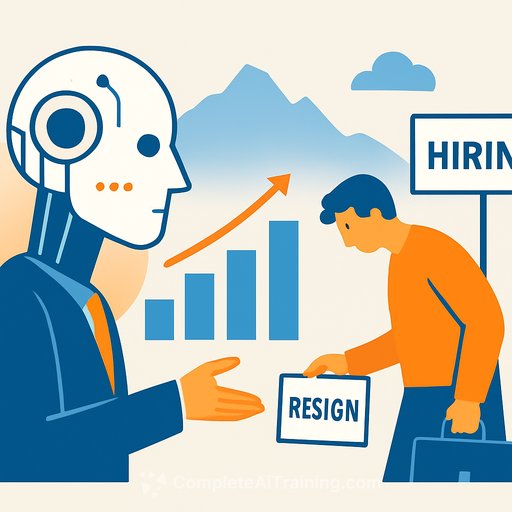
Beijing's human resources authority released a 2025 set of typical labor dispute cases that matter for anyone deploying AI. One case stands out: a tech firm replaced manual mapping work with AI, eliminated the role, and fired the employee citing "major changes in objective circumstances."
The arbitration committee ruled the dismissal illegal. Reason: adopting AI is a business decision, not an uncontrollable, unpredictable event that qualifies as a "major change in objective circumstances" under China's Labor Contract Law.
What counts as a "major change in objective circumstances"
Think force majeure, natural disasters, or changes in laws and policies that force relocation, shutdown, or production shifts. These are outside the employer's control and aren't regular business risks.
Switching to AI to stay competitive is a strategic choice. It doesn't meet the threshold. Firing someone on that basis shifts tech iteration risk to the employee, which the committee rejected.
Reference: PRC Labor Contract Law (English translation)
Why this matters for HR
AI can change tasks and headcount planning, but the legal process still applies. The ruling clarifies that firms must handle redeployment, training, and contract changes before looking at termination.
If you skip these steps and cite "major changes in objective circumstances," you invite legal risk and back pay exposure.
Practical actions for compliant AI workforce transitions
- Audit roles and tasks, not just job titles. Identify what AI replaces, what remains, and what new tasks emerge.
- Propose contract changes through consultation (scope, duties, performance standards, compensation). Get written consent.
- Offer reskilling and internal transfers backed by real training plans and timelines. Document invitations, attendance, and outcomes.
- If a role must end, use the proper legal route: mutual separation with compensation, performance-based termination with full procedure, or economic layoff where conditions are met.
- Calculate and pay statutory economic compensation on time. Keep evidence of payment and communication.
- Avoid using "major changes in objective circumstances" for AI adoption. Reserve it for uncontrollable events backed by law or policy shifts.
- Engage employee representatives or unions early. Transparent communication reduces disputes.
Suggested workflow for HR teams implementing AI
- Business case: define the AI use, scope of impact, and expected changes to roles.
- People plan: map reskilling paths, alternative roles, and timelines for each affected employee.
- Legal review: choose the correct pathway (contract change, transfer, mutual agreement, or lawful layoff) and prepare notices.
- Delivery: run training, place employees, update contracts, and track completion. Keep an evidence file for each case.
- Closure: where termination is necessary, execute per statute with precise documentation and compensation.
Communication that reduces friction
Be direct about what is changing, what support is offered, and what decisions must be made by when. Give employees real options-training plus a defined role path beats vague promises.
Consistency matters. Use standardized templates for notices, consent forms, and settlement agreements to avoid mistakes.
Bottom line
AI can shift work, but it doesn't erase employer obligations. In Beijing's case, replacing a job with AI didn't qualify as a "major change in objective circumstances," and firing on that basis was unlawful.
Treat AI adoption like any major restructuring: consult, retrain, redeploy, and, if needed, separate through a lawful route with proper compensation.
Need structured upskilling paths for redeployment? Explore curated AI learning plans by job function to support reskilling at scale: AI courses by job.
Your membership also unlocks: