
AI news ·
AI reshapes car design and factory work, automakers say
Automakers are using AI to speed up vehicle design and retool factory workflows. New roles are emerging as workers shift toward managing AI systems rather than traditional manufacturing tasks.
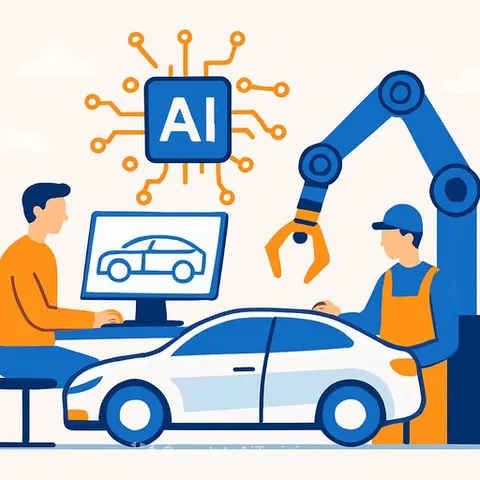
AI is redefining how cars are designed and built
Automakers are using artificial intelligence to accelerate vehicle design and rethink factory operations. At the Automotive News Europe Congress in Brussels, executives from companies like Audi discussed how AI tools are changing both the creative process and production workflows.
Neural Concept, an AI software company, demonstrated design applications that let engineers explore shapes and configurations faster than traditional methods allow. The technology generates multiple design options based on performance criteria, cutting the time needed to move from concept to prototype.
Factory work is shifting, not disappearing
AI is automating routine design tasks and production planning, but it's also creating new roles. Audi's head of data-driven production said the company is training workers to manage and interpret AI systems rather than replace them entirely.
The shift requires different skills. Workers now need to understand how to work alongside AI tools, read data outputs, and make decisions based on what algorithms surface. Some positions in traditional manufacturing are declining, while demand is growing for roles in data analysis and system oversight.
What this means for product teams
If you work in product development or operations, AI tools are becoming standard equipment. Design teams can test more iterations in less time. Operations teams can use AI to optimize supply chains and predict production bottlenecks before they happen.
The practical benefit: faster time to market and fewer costly design revisions. But it also means staying current with how these tools work and what they can and cannot do reliably.
For professionals in manufacturing and product development, understanding AI Design Courses and AI for Operations is becoming part of staying competitive in the industry.