
AI news ·
AI reshapes how homes are built and sold, but agents are here to stay
AI-guided robots are already laying bricks independently, and 3D printers can build home walls in 12-24 hours. Industry forecasts suggest AI-assisted construction could boost output by 50% within a few years.
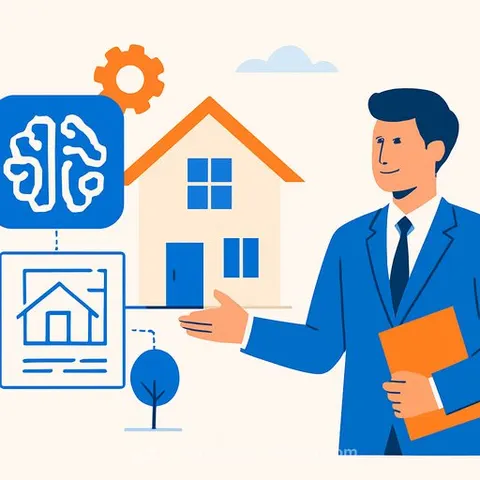
AI is reshaping real estate construction and agent roles
Artificial intelligence is beginning to transform how homes are built and sold, with implications for everyone in real estate and construction. The shift mirrors the Industrial Revolution's introduction of steam power-a fundamental restructuring of how work gets done.
Construction is the first area seeing concrete change. Robots guided by GPS and AI technology are already laying bricks and grading terrain independently. 3D printers that can construct home walls in 12 to 24 hours have moved from novelty to standard practice among contractors worldwide.
The efficiency gains are substantial. Industry predictions suggest AI-assisted construction could increase production by 50% over the next few years. AI catches design flaws, manages material waste, and improves job site safety-all factors that accelerate timelines.
The housing shortage could benefit directly. If AI enables rapid construction of affordable homes at scale, it addresses one of real estate's most pressing problems.
What changes for agents and buyers
Real estate agents won't disappear, but their role will shift. AI will handle much of the routine work, leaving fewer positions overall but freeing agents to focus on what machines can't do: building trust, negotiating, and providing guidance through face-to-face meetings.
Buyer searches will become more precise. Instead of scrolling through dozens of listings, buyers who describe what they want-"a three-bedroom ranch near an elementary school on a half-acre"-will see relevant inventory immediately.
The closing process will streamline as well. AI won't replace inspectors and attorneys, but it will reduce paperwork errors, eliminate title delays, and resolve property line disputes faster.
The broader shift
This isn't the first time technology has prompted resistance. The steam engine faced skepticism before reshaping entire economies. AI presents similar uncertainty, but the industry has enough evidence now to take it seriously rather than dismiss it.
For professionals in real estate and construction, staying informed about these changes is essential. Those who understand how AI affects their work-from project planning to client management-will adapt more effectively than those who wait.
Learn more about AI for Real Estate & Construction and how it applies to property management, construction planning, and property analytics. If you work as a broker or agent, the AI Learning Path for Real Estate Brokers covers property marketing, lead generation, and client management automation.