
AI news ·
Data centers have mixed effects on nearby home values, real estate experts say
Data centers near your home may actually raise its value, but houses directly adjacent to construction sites and substations take longer to sell. Noise, truck traffic, and cooling system hum are the main buyer concerns.
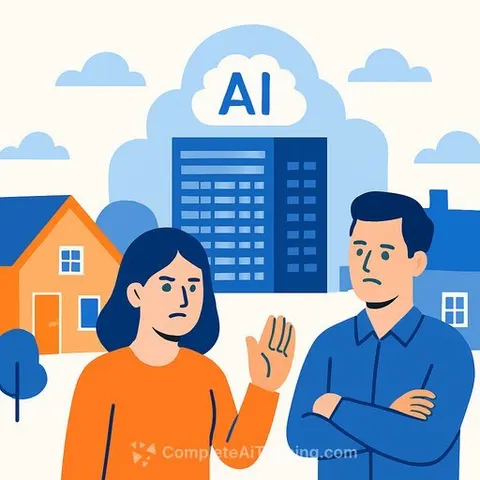
Data Centers Are Reshaping Home Values-But the Effect Isn't Straightforward
Data centers are complicating real estate markets across the country. These massive facilities that power cloud services, streaming platforms, and AI systems are creating conflicting pressures on home prices and buyer behavior, according to real estate professionals working in affected regions.
When a data center project is announced, investor interest often rises. People anticipate job growth, new residents, improved infrastructure, and a larger tax base-all factors that typically boost property values. Simultaneously, many homebuyers become hesitant about purchasing nearby due to construction noise, increased traffic, heavy water and power consumption, and the constant humming from cooling systems.
Eric Bramlett, a broker and owner of Bramlett Partners in Texas, says buyers frequently ask: "If I buy here and the data center expands, will my house be harder to sell down the road?"
Research Shows Homes Near Data Centers Often Sell for More
A 2025 analysis by the Center for Regional Analysis at George Mason University examined home prices in Northern Virginia, known as "data center alley." The findings contradict initial assumptions: homes closer to data centers sold for higher prices than those farther away.
The reason is location fundamentals. Data centers are typically built in areas with strong infrastructure-good roads, reliable utilities, easy access to jobs and airports. These same features make surrounding neighborhoods desirable to buyers regardless of the data center's presence.
In New Albany, Ohio, where Meta, Google, and Amazon operate facilities, demand and property values have surged in the past five years. Jamie Curtis, a luxury real estate advisor at Sotheby's International Realty and homeowner there, says homes listed above $1 million often receive multiple showings immediately after hitting the market. Tech companies are attracting educated workers from expensive coastal markets who don't experience sticker shock at higher prices.
Traffic has been the primary concern in New Albany, Curtis says, though Ohio's transportation department has prioritized roadway improvements.
In Texas, Bramlett has observed that houses directly adjacent to construction sites or new substations take longer to sell. Buyers ask more questions during showings. A few blocks away, however, demand mirrors the broader market, and buyers focus on schools, commute times, and home condition rather than the data center.
Proximity and Disruption Create Real Drawbacks
Residents from Northern Virginia to rural Georgia have increasingly voiced complaints about construction noise, diesel fumes, water disruptions, and the constant mechanical hum of cooling systems operating around the clock.
These same concerns surface when potential buyers research a property. Noise, construction disruption, the visual impact of large windowless buildings, and heavy demands on water and power supplies-especially in drought-prone or grid-stressed areas-give buyers pause.
Bramlett recommends asking specific questions before purchasing near a planned or operating data center:
- How close is the property to backup generators and cooling equipment?
- What will the building, fencing, and landscaping look like from your yard or street?
- Where will trucks enter and exit the facility?
- How long will the construction phase last?
"For many homeowners, the impact is very small once the center is built, especially if there's good buffering and you are not right next door," Bramlett says. "For others, particularly in rural or previously untouched areas, the change in landscape and water or power usage can feel significant."
Bramlett advises checking city council and planning and zoning agendas before making an offer. These documents show what's being proposed or approved and reveal whether residents have expressed strong support or opposition to projects.
For real estate professionals advising clients on markets affected by data center development, understanding both the economic benefits and the practical disruptions is essential. The decision to buy near a facility ultimately depends on proximity, buffering, and individual tolerance for construction and operational impacts.
AI for Real Estate & Construction resources can help professionals stay informed about how technology infrastructure affects property markets. For brokers managing client expectations in data center regions, the AI Learning Path for Real Estate Brokers offers relevant insights for navigating these emerging market dynamics.