
AI news ·
AI risk management frameworks help organizations identify and mitigate deployment risks
Most organizations deploying AI lack a formal plan to manage the risks it introduces. A risk management framework covers governance, compliance, bias detection, and security across the full AI lifecycle.
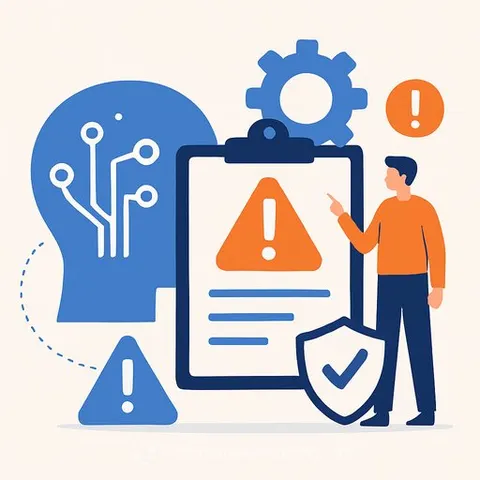
Organizations need a risk management framework as AI deployment accelerates
AI adoption has grown significantly over the past year, but the technology brings business risks that many organizations are unprepared to manage. A formal risk management framework helps identify, assess, and mitigate those risks during AI deployment.
The National Institute of Standards and Technology (NIST) Artificial Intelligence Risk Management Framework provides one approach. It addresses governance, ethics, operations, compliance, and regulatory issues across an AI system's lifecycle.
What a risk management framework covers
Identifying and categorizing risk. Organizations must first identify potential AI-based risks, including threats to security, system operations, data governance, compliance, and ethics.
Establishing governance. Frameworks define policies, AI lifecycle management, accountability rules, and how AI supports business objectives and regulatory mandates.
Risk assessment and mitigation. Frameworks help identify risks, estimate their likelihood, and determine their impact on the enterprise. Mitigation methods include access controls, data validation, bias detection, and algorithm analysis.
Continuous monitoring. Organizations must monitor system performance throughout the AI lifecycle to detect anomalies and compliance violations.
Regulatory compliance. Standards and regulations governing AI continue to multiply. Risk frameworks help ensure compliance becomes a primary outcome rather than an afterthought.
When to implement a framework
Regulatory compliance. Frameworks include guidance on meeting specific standards and regulations. AI can streamline data collection and processing to demonstrate compliance, reducing fines and litigation risk.
Brand protection. A framework specifies how AI protects against reputational damage and builds consumer confidence.
Financial risk reduction. Properly configured AI systems identify potential disruptions and flag fraud and incorrect decisions before they cause losses.
Security and resilience. Framework guidance improves access controls, threat modeling, and incident response. Organizations can identify ways to recover from and adapt to future risk events.
Vendor risk management. When buying AI products from third parties, a framework helps assess vendor claims, evaluate potential risks, and review case studies from other organizations.
Cultural change. A framework sets expectations for AI teams and encourages a risk-based culture that supports innovation alongside accountability.
Executive oversight. Frameworks provide guidance on reporting, performance metrics, dashboards, and accountability-giving senior leadership the visibility needed for informed decisions.
Managers implementing AI initiatives should view risk management as foundational, not optional. The frameworks exist to align AI deployment with business goals, regulatory requirements, and ethical standards. AI for Management and AI for Executives & Strategy resources can help leaders understand how to apply these frameworks in practice.