
AI news ·
AI tools make insurance fraud easier to commit and harder to detect, SAS warns
Insurance fraud costs the U.S. $308.6 billion a year, and AI image tools now let fraudsters fake crash scenes or forge receipts in seconds. Only 7% of anti-fraud professionals say their organizations are prepared to catch it.
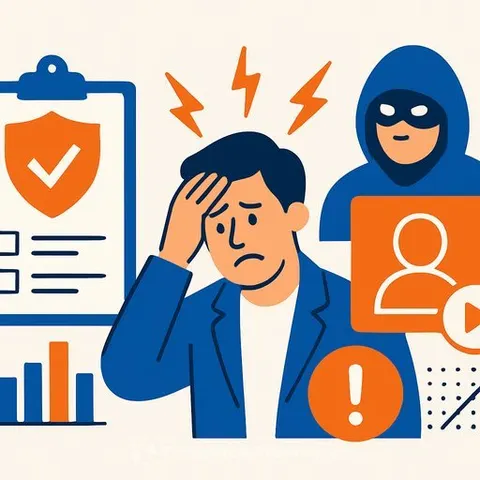
Insurers Struggle to Combat AI-Generated Fraud Claims
Insurance fraud costs the U.S. economy an estimated $308.6 billion annually, and generative AI tools are making the problem worse and harder to detect.
Data firm SAS warned that fraudsters can now use AI image-generation tools to create or alter photographs in seconds - fake crash scenes, damaged furniture, and forged receipts among them. The technical barrier to committing insurance fraud has essentially disappeared.
About one in 10 property-casualty insurance losses already involves fraud. As AI tools become more accessible, that ratio is likely to climb.
Fraudsters Already Using the Tools
Insurance fraud specialist Adam Hall demonstrated how generative AI can produce believable crash scenes almost instantly, mirroring tactics organized crime groups are already deploying against insurers.
The problem extends beyond staged accidents. A major short-term rental company discovered that a host used digitally manipulated images to falsely accuse a renter of causing thousands of dollars in damage.
Industry Unprepared for the Threat
A joint survey by the Association of Certified Fraud Examiners and SAS found that only 7% of anti-fraud professionals said their organization is more than moderately prepared to detect or prevent AI-driven fraud. Among insurance industry respondents, none expressed more than moderate confidence.
"With just a few prompts, fraudsters can use generative AI tools to create, enhance, or erase visual evidence to support a false insurance claim," said Franklin Manchester, principal global insurance advisor at SAS.
AI as a Defense
The same technology creating the problem can help solve it. AI can analyze massive volumes of claims data and detect image anomalies that humans cannot spot.
Manchester said the path forward requires insurers to deploy AI defenses that match the sophistication of the fraud tools now in circulation.