
AI news ·
AI tools offer three ways to close the insurance coverage gap for women
Women have held less life insurance coverage than men for 15 years, leaving hundreds without adequate financial protection. AI tools can help close that gap by identifying underinsured groups and simplifying policy information for first-time buyers.
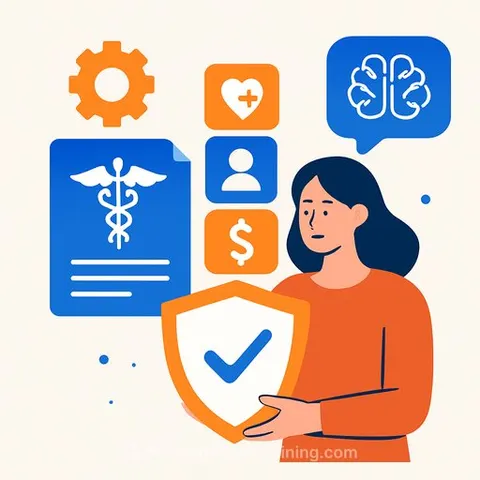
AI can help close insurance coverage gap for women
Women have consistently held less life insurance coverage than men for the past 15 years, according to data from LIMRA and iPipeline, a financial services software firm. The gap leaves hundreds of women without adequate financial protection if unexpected events occur.
Katie Kahl, chief product officer at iPipeline, said the root causes fall into three categories: insufficient education about coverage needs, conservative financial planning habits among women, and traditional marketing that overlooked women as decision-makers in households.
"Just historically, that hasn't been the target market for many of the agents or advisors, because it may not have been the head of household," Kahl said.
Younger women face an additional barrier. Many prefer digital-first purchasing experiences and one-stop shopping rather than working with agents, but the insurance industry hasn't adapted to meet those expectations.
Three ways AI addresses the gap
Identify underinsured populations. AI data analysis can pinpoint where coverage gaps exist and which demographics lack adequate protection. This allows insurers to target marketing efforts where they're most needed.
Simplify complex information. Policy documents contain industry jargon that confuses consumers. AI can summarize offerings and explain benefits in plain language, making it easier for first-time buyers to understand what they need.
Create personalized recommendations. AI enables agents to quickly generate tailored suggestions based on each client's circumstances. This consultative approach works especially well when discussing emotionally difficult topics like family protection.
Kahl emphasized that technology should enhance rather than replace human interaction. "Use AI to personalize the offerings and come up with the right recommendations, but don't lose that human touch in terms of how those are delivered," she said.
For more on AI for insurance, including applications in claims processing and underwriting, see our coverage of the sector.