AI in Health Care Marketing
Health care organizations are under increasing pressure to improve patient experiences while maintaining operational efficiency. Adding AI to this mix offers significant benefits, especially in marketing efforts. The AI health care market is expected to reach a valuation of $208.2 billion by 2030, growing annually by 37.5%.
Key trends driving this growth include:
- Greater personalization: AI enables access to real-time data, allowing for more patient-specific experiences.
- Automation and integration: Routine tasks like appointment reminders become automated, freeing staff for higher-level work.
- Advanced predictive analytics: Marketers can anticipate patient needs more accurately, enhancing campaign effectiveness.
Implementing AI in Health Care Marketing
Personalized Patient Engagement
Generic messaging is less effective in health care marketing. AI can quickly analyze medical histories, online behavior, and demographics to create highly relevant content. This includes:
- Customized email campaigns with specific health tips.
- Targeted social media ads based on user engagement and search behavior.
- Dynamic website content that adjusts according to user interests.
Such personalization builds patient trust and loyalty, which supports better health outcomes.
AI-Powered Virtual Assistants and Chatbots
Virtual assistants and chatbots provide 24/7 support for tasks like appointment scheduling, symptom triage, and answering FAQs. Benefits include:
- Reducing administrative workload on staff.
- Collecting valuable patient data during interactions.
- Delivering timely and accurate responses to inquiries.
This automation frees up human resources to handle more complex patient needs.
Content Creation and SEO Optimization
AI tools help marketers generate high-quality content that resonates with different audience segments while ensuring compliance with health regulations. Key uses include:
- Optimizing website copy for search engines.
- Creating content tailored to specific patient groups.
- Suggesting blog topics for social media and websites.
SEO-optimized content increases brand visibility and attracts more qualified leads.
Automation of Marketing Operations
Many marketing tasks are repetitive and can be streamlined with AI, such as:
- Lead scoring and prioritization based on engagement data.
- Campaign scheduling and deployment.
- Real-time tracking and reporting of campaign performance.
Automation allows marketing teams to focus on improving both efficiency and campaign quality.
Predictive Analytics for Targeted Campaigns
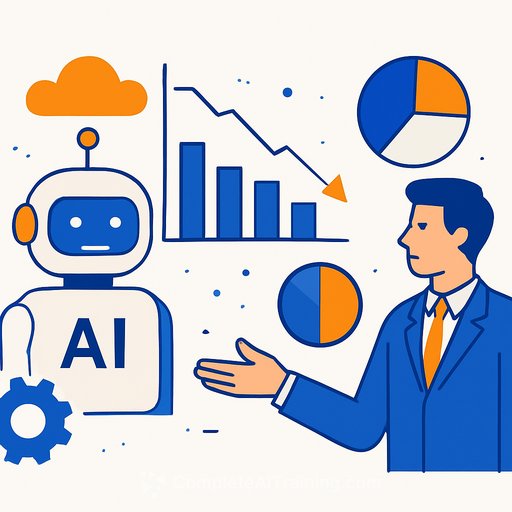
By analyzing real-time and historical data, AI helps marketers understand patient behavior and health needs. This enables:
- Identification of high-risk patient groups.
- Optimizing the timing of messages for better engagement.
- Launching targeted campaigns with precision.
Predictive analytics ensure outreach efforts are cost-effective and well-timed.
The Future of AI in Health Care Marketing
AI will continue to improve marketing strategies while boosting operational efficiency and diagnostic accuracy in health care.
Upcoming AI Trends in Health Care
- AI-Powered Virtual Health Assistants: Offering treatment suggestions, health insights, and mental health support.
- AI-Powered Drug Discovery: Transforming drug development processes, which marketers should highlight.
- Enhancing Imaging with AI: Assisting radiologists and pathologists in analyzing complex images faster and more accurately.
- Remote Patient Surveillance: Leveraging wearables and IoT devices, with marketing educating patients on their benefits.
Challenges and Considerations
While AI brings advantages, marketers must address:
- Data Quality: AI output depends heavily on the accuracy of input data.
- Data Privacy and Security: Solutions must safeguard sensitive patient information and comply with HIPAA regulations.
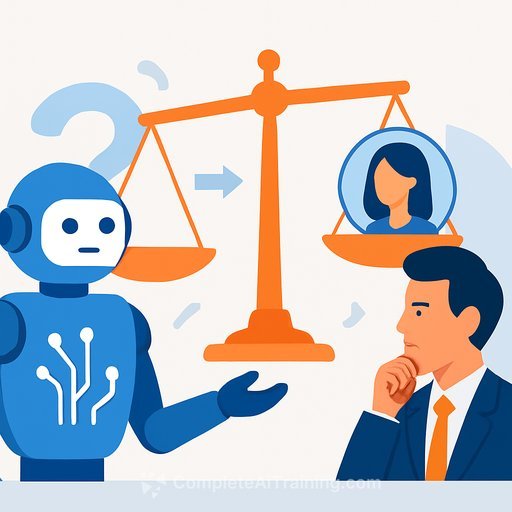
- Ethical Concerns: Transparency and patient autonomy are essential to maintain trust in AI-driven interactions.
Tips to Incorporate AI in Health Care Marketing
- Monitor and Measure: Use AI analytics to track performance and continuously improve marketing strategies.
- Invest in Training: Educate your team to effectively use AI tools.
- Prioritize Data Security: Work with vendors who understand compliance and data protection.
- Start Small: Pilot AI tools in specific areas and measure results before scaling.
Conclusion
AI is changing health care marketing by driving efficiency, smarter decisions, and better personalization. As patient expectations rise, adopting AI becomes essential for building stronger relationships and achieving sustainable growth. This shift ultimately supports improved health outcomes.
Your membership also unlocks: