
AI news ·
Attorney AI errors put malpractice liability coverage under pressure
Courts are sanctioning attorneys for AI-generated filing errors, including fake citations, and malpractice insurers are taking notice. Some carriers are adding AI exclusions or requiring oversight protocols as a condition of coverage.
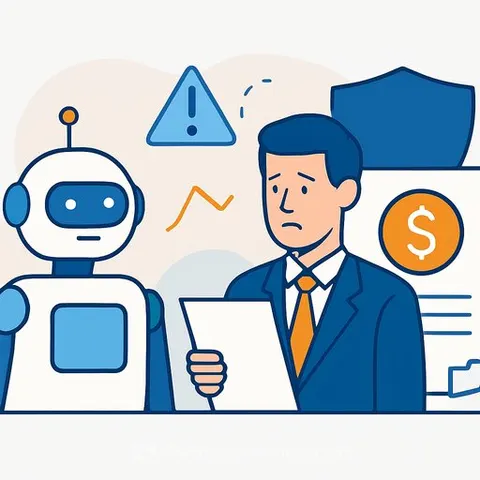
Courts Sanction Attorneys for AI-Generated Filing Errors, Raising Malpractice Coverage Questions
Courts are increasingly reprimanding and sanctioning attorneys for mistakes generated by artificial intelligence, prompting insurance experts to warn that widespread AI adoption in legal practice could strain professional liability coverage.
The issue centers on a growing pattern of filing errors-from fabricated case citations to incorrect legal arguments-that attorneys have attributed to AI tools. Judges have responded with sanctions and disciplinary action, signaling that reliance on AI output without adequate review does not shield lawyers from malpractice liability.
For insurance professionals, the concern is straightforward: if courts hold attorneys accountable for AI errors, claims against professional liability policies will likely increase. Insurers may face higher payouts, tighter coverage definitions, or stricter underwriting standards for law firms that use AI.
The Liability Question
Insurance experts say the core problem is unclear responsibility. When an attorney uses an AI tool and fails to catch an error before filing, who bears liability-the lawyer, the software vendor, or the insurer?
Most professional liability policies place the burden on the attorney. Courts have consistently ruled that lawyers remain responsible for work product, regardless of how it was generated. That means malpractice insurers will likely cover these claims, at least initially.
But as claims accumulate, insurers may adjust their approach. Some have already begun adding AI-specific exclusions or requiring firms to implement AI oversight protocols as a condition of coverage.
What Attorneys Need to Know
Law firms using AI tools should treat AI-generated content as a first draft, not a finished product. Courts expect the same level of review and verification as with any other work.
Firms should also document their AI usage policies and review processes. Insurers increasingly want evidence that firms are managing AI risks deliberately, not deploying the technology without guardrails.
For more on how AI is reshaping professional practice, see AI for Legal and AI for Insurance.
The Broader Implications
This issue extends beyond law firms. Any professional service relying on AI-accounting, consulting, financial advising-faces similar exposure. Malpractice insurers across industries are watching how courts handle AI-generated errors.
The pattern suggests that AI tools will not reduce professional liability risk unless firms invest in verification processes and staff training. In some cases, AI adoption could increase risk if firms treat automation as a substitute for human judgment.