
AI news ·
B2B buyers use AI for research but still rely on sales reps to verify findings, Gartner says
Nearly half of B2B buyers use AI to research vendors, but over half report getting misleading information from it. That's why 69% still turn to sales reps to verify what AI told them before buying.
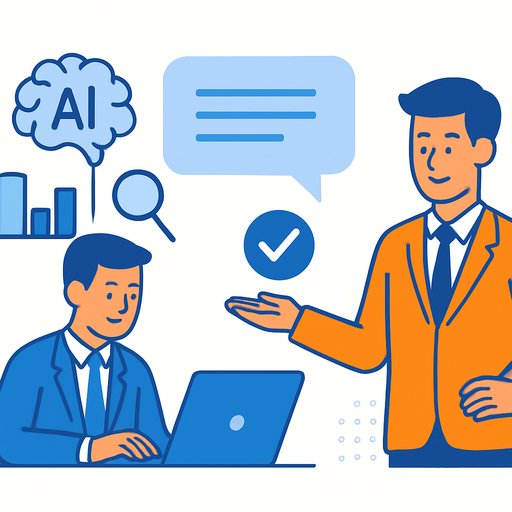
B2B Buyers Trust AI Less Than Marketers Think
Gartner research released this week shows a stark gap between how often B2B buyers use generative AI and how much they actually trust it. Nearly half of B2B buyers now use AI tools to research vendors and products, yet more than half say they've gotten misleading information from those same tools.
The result: 69% of buyers turn to sales reps to validate what AI told them before making a purchase decision.
The Misinformation Problem
While 70% of B2B buyers prefer self-service, digital buying experiences, that preference doesn't mean they're comfortable making decisions alone. Buyers want speed, but they don't want risk.
This creates a specific challenge for marketers. Buyers are pulling product details and feature lists from AI tools without human oversight. When those tools surface inaccurate information-which happens regularly-buyers lose confidence in the entire process.
What Sales Reps Actually Do
Gartner's data shows human sales reps outperform AI at understanding buyer needs, building confidence, and moving deals forward. Buyers don't need reps to recite specs they already found online.
What they need is help understanding business impact, internal tradeoffs, and risk. Those conversations require human judgment and experience.
By 2027, Gartner predicts 95% of sellers' research workflows will start with AI. That means marketers need to stop creating generic product collateral and start building tools that help reps tell stronger stories tied to business outcomes.
Credibility Signals Matter More
As AI becomes the first stop in the buying journey, marketers need to ensure their information appears trustworthy and accurate. Analyst reports, customer stories, third-party reviews, and detailed case studies all carry more weight now.
Buyers are looking for proof that what they're seeing isn't hallucinated or outdated. Real experience from real customers provides that proof.
The Personalization Pressure
AI is also raising buyer expectations around personalization. Buyers now expect vendors to understand their business before the first conversation, which puts pressure on marketing and sales to stay aligned.
That alignment matters because buyers are checking multiple sources-AI tools, vendor websites, reviews, sales conversations-and they notice when the story changes between channels.
The marketers who win in this environment will be those who help buyers feel confident and understood throughout the decision process. That means stronger credibility signals, better sales enablement, and tighter collaboration between marketing and sales teams.
For more on how AI affects your role, see AI for Marketing and AI for Sales.