
AI news ·
BBB warns consumers about AI deepfake scams targeting families and job seekers
Scammers are using AI to clone voices, fake emails, and impersonate executives to trick support staff into handing over data or system access. Verify any urgent request through your company directory before acting.
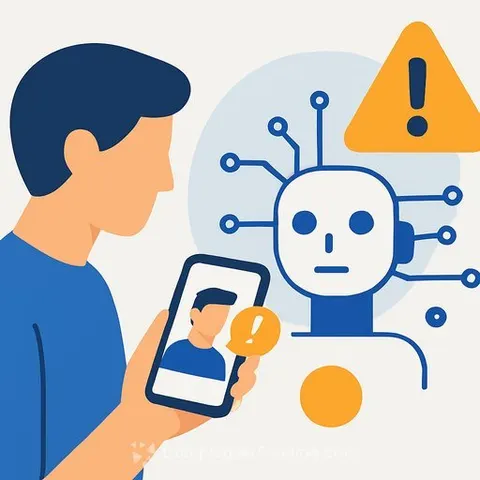
Customer Support Workers Face Growing Deepfake Scams
Scammers are using artificial intelligence to impersonate company representatives, steal customer data, and manipulate support staff into granting system access. The technology has advanced enough that criminals can now clone voices, generate realistic emails, and create fake chatbots with minimal effort.
Your role in customer support puts you on the front lines of these attacks. Fraudsters target support teams specifically because they have access to systems, customer information, and the authority to make changes.
How Scammers Target Support Operations
Fake customer service requests. Criminals use cloned voices, realistic emails, or AI chatbots posing as customers, vendors, or internal staff. They ask you to verify passwords, grant remote access, or transfer funds.
Impersonation of executives or IT teams. A message appears to come from your manager or IT department, requesting urgent account access or customer data transfers.
Social engineering through voice calls. A caller sounds exactly like a known colleague or executive, creating pressure to bypass normal verification procedures.
Warning Signs to Watch
- Requests for immediate action or secrecy
- Pressure to bypass standard verification steps
- Audio or video that sounds slightly unnatural - robotic phrasing, awkward pauses, or inconsistencies
- Unusual grammar or formatting in messages
- A caller who refuses to verify identity through established channels
- Requests for passwords, remote access, or sensitive customer data
Even if a video or audio clip sounds authentic, it should never be treated as proof of someone's identity.
How to Protect Yourself and Your Company
Verify through trusted channels. If someone requests access or data, call them back using a phone number from your company directory - not one provided in the suspicious message.
Know your company's procedures. Legitimate requests from IT, management, or other departments follow established protocols. If something bypasses those steps, it's suspicious.
Slow down. AI scams rely on urgency and panic. Take time to think before granting access, sharing information, or transferring data.
Report suspicious activity. Alert your security team immediately. Document the message, call details, or email. Many scams follow patterns - reporting helps protect your colleagues.
Understand voice cloning technology. Knowing how scammers create convincing fake audio helps you spot inconsistencies that seem natural at first.
Stay informed about AI in customer support. Understanding how legitimate AI tools work in your industry helps you distinguish them from fraudulent ones.
If something feels off - even if it looks or sounds real - verify before acting. Your instinct is often correct.