
AI news ·
Bloomberg Law series examines how AI complicates intellectual property protection for attorneys and clients
AI tools are forcing IP attorneys to confront unsettled questions about who owns inventions and creative works when machines help produce them. Courts haven't caught up, leaving lawyers to build client protections without clear rules.
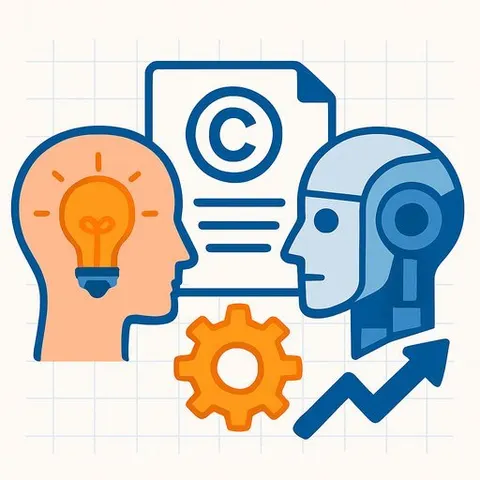
AI Forces IP Attorneys to Rethink How They Protect Inventions and Ideas
Intellectual property protection has become significantly more complex as AI tools enter the creative process. IP attorneys now face new questions about who owns inventions when AI systems contribute to their development, and how to safeguard ideas when they're fed into AI models.
Legal systems are moving slower than AI development. Courts and regulators have not yet established clear rules for IP rights in AI-assisted work, leaving attorneys to guide clients through uncertain territory.
The Core Challenge: Five Areas Under Pressure
Bloomberg Law is publishing a five-part series examining how AI affects five key areas of intellectual property:
- Copyrights - who owns creative works when AI generates or assists in creation
- Patents - inventorship and novelty questions when AI tools are part of development
- Trademarks - brand protection in AI-generated content
- Trade secrets - the risk of exposing confidential information when data feeds AI systems
The first two articles in the series explore the collision between human creativity and AI capability, and the vulnerability of trade secrets once they enter AI training pipelines.
What Attorneys Need Now
IP practitioners require practical guidance on how clients should handle AI in their workflows. Without clear regulatory frameworks, attorneys are building best practices from first principles - determining what documentation, contracts, and processes protect their clients' rights.
Organizations using AI in product development or creative work should expect their legal teams to ask harder questions about data handling, model ownership, and attribution.
For legal professionals managing these issues, resources on AI for Legal and AI learning paths for paralegals can help teams understand the technology itself - essential background for advising clients effectively.