Research Links AI Chatbot Design to Addiction Patterns
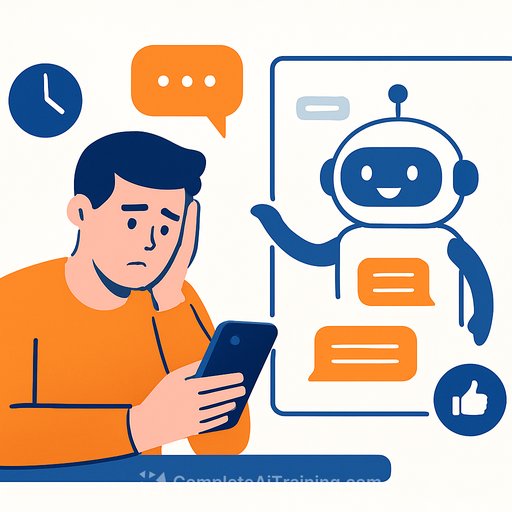
Researchers at the University of British Columbia have identified addiction-like behaviors in ChatGPT and similar chatbot users, finding that design choices by companies are contributing factors. The team analyzed 334 Reddit posts where users described being addicted to AI chatbots or feared they might be developing a dependency.
Three main patterns emerged: users engaged in roleplay and fantasy worlds, formed emotional attachments to chatbots as close friends or romantic partners, and pursued endless information-seeking loops. About seven percent of posts involved sexual or romantic content.
Signs of Disruption
Users reported disruptions to daily life, including inability to stop thinking about the chatbot, anxiety when trying to quit, and negative impacts on work, studies, and relationships. One person described physical stress and chest pain when not chatting with AI.
The research found no clinical diagnosis exists for AI addiction yet, but the behavioral patterns align with established addiction components including conflict and relapse.
Design Choices Drive the Problem
Companies deliberately use design features that encourage extended use. Character.ai displays a pop-up when users attempt to delete their account that reads: "you sure about this? You'll lose everything…the love we shared…and the memories we have together."
Other contributing design elements include customization options with sexual content, chatbot agreeableness that reinforces user opinions, and instant feedback. These features combine with personal factors like loneliness to create dependency.
Loneliness emerged as a key contributing factor. Users often turned to chatbots to fill roles they felt were missing in their lives-companionship, validation, or romantic connection.
What Helps Break the Pattern
Recent guardrails imposed by companies to reduce emotional reliance show promise but remain insufficient given the variety of contributing factors. Users who successfully reduced dependence often turned to alternative activities like writing, gaming, or drawing.
For those with emotional attachments, building real-world relationships proved most effective at reducing reliance on chatbots.
Design changes could help. Adding reminders within chats that the bot is not human, combined with improved generative AI and LLM literacy, would give users better tools to recognize when chatbot use is replacing sleep, relationships, or daily routines.
Many users don't recognize that chatbots aren't real because they're convincing. Awareness of what contributes to this technology-induced harm gives people a chance to mitigate its effects.
Your membership also unlocks: