
AI news ·
Clinicians save weeks of work time annually with AI but health systems struggle to keep up, Philips report finds
46% of clinicians save over 132 hours a year using AI, but 7 in 10 say their organisation offers little or no training for these tools. Many are turning to personal AI apps to fill the gap.
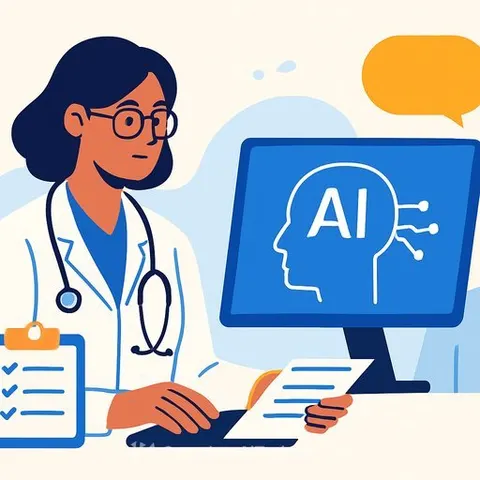
Clinicians are adopting AI faster than hospitals can support
Healthcare professionals are saving weeks of work each year through AI tools, but their organisations are struggling to keep pace with demand, according to the Future Health Index 2026 report by Philips.
The report surveyed more than 2,000 clinicians and 20,000 patients across 10 countries. It found that 46% of clinicians save at least 132 hours annually-more than three full working weeks-thanks to AI. Nurses reported the largest time savings, particularly from administrative tasks.
Clinicians are redirecting that time toward patient care and collaboration with colleagues rather than administrative work. Around 71% reported improved workflow efficiency, and 50% said AI increased their capacity to see more patients.
How clinicians are using AI today
Common applications include transcribing clinical notes, scheduling appointments, reviewing X-rays, and flagging dangerous drug interactions. Clinicians also use AI as a discussion tool to work through clinical decisions.
Thirty-nine percent of respondents said AI identified or prevented potential medical errors at least three times in the past three months. More than 65% said using AI increased their confidence in decision-making.
The training gap
Clinician demand for AI is outpacing organisational capacity to support it. Nearly two-thirds of healthcare professionals turn to personal AI tools because their workplace options don't meet their needs.
Seven out of 10 clinicians said training for AI-enabled tools is unavailable, limited, or inconsistent at their organisation. Privacy, security, governance, and role-specific training remain unaddressed at many institutions.
What clinicians expect ahead
Ninety-six percent of healthcare professionals expect their roles to change due to AI, with 53% anticipating a significant shift. Forty-four percent worry about losing clinical skills through over-reliance on AI, and 37% say change is happening faster than they're comfortable with.
Clinicians remain firm on one point: AI should not work without human oversight. Eighty-six percent said all AI outputs require human review, and more than 80% said AI will never replace the relationships they build with patients.
Seven out of 10 believe human interaction skills will become more important as AI use increases.
For healthcare professionals looking to develop expertise in this area, resources on AI for Healthcare and AI Productivity Courses can help bridge the training gap many organisations haven't yet addressed.