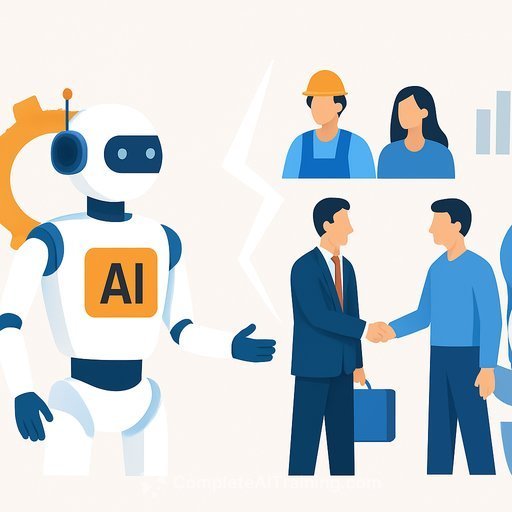
The workforce is becoming AI-native. HR has to evolve now
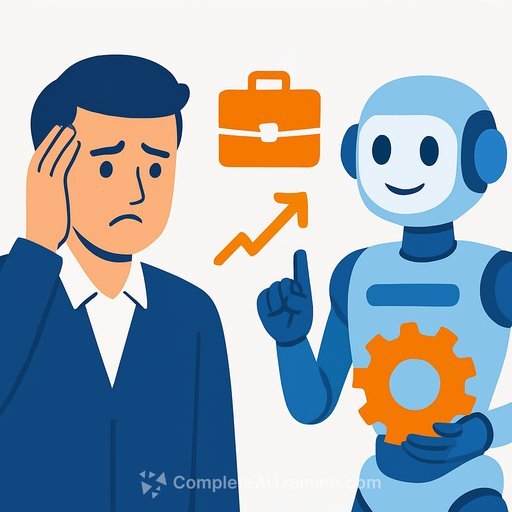
Talk to a group of early-career employees and you'll hear it: impatience. They started university the year ChatGPT landed in 2022. They're comfortable with AI, they want to move faster, and they expect the workplace to match their pace.
That's not a threat to jobs-it's a shift in how work gets done. The opportunity for HR is clear: redesign roles, systems, and leadership so AI-native talent can perform at a higher level, together.
From individual gains to team performance
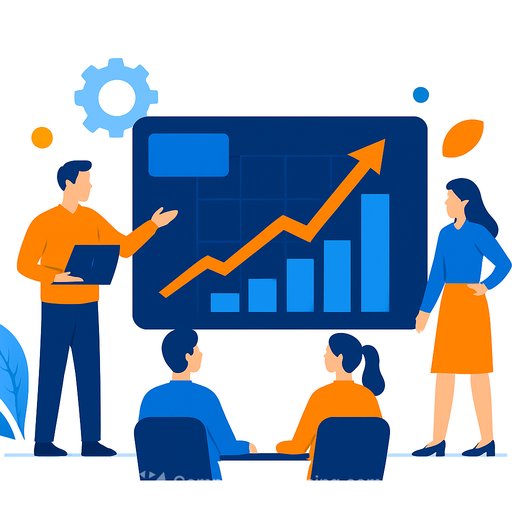
AI lets individual contributors do work once reserved for managers. As hierarchies flatten, output increases-but only if team goals, expectations, and accountability are crystal clear.
Nokia's approach is simple: everyone has measurable goals that ladder to team objectives-and leaders make their goals visible, too. Transparency turns goals from an annual ritual into a weekly conversation.
- HR move: Make team-level goals the default. Publish leader goals internally. Tie recognition to team outcomes, not just individual activity.
- Cadence: Short weekly check-ins, monthly retros, quarterly resets. Keep the feedback loop tight.
Humans with AI-not humans versus AI
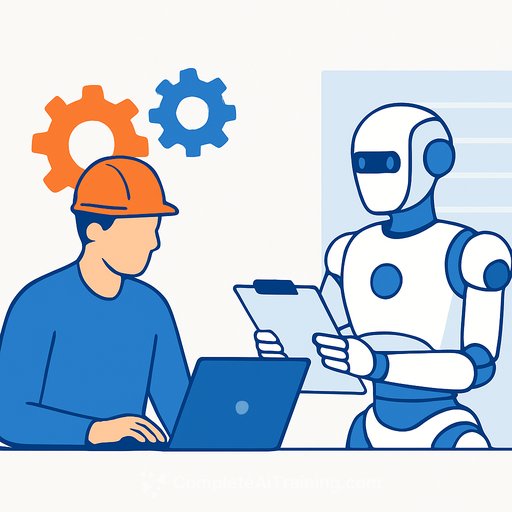
AI should remove drudge work so people can focus on judgment, creativity, and hard problems. During the pandemic, chatbots handled routine public health questions so clinicians could focus on care. The lesson for HR: design roles where AI handles the repetitive, and people handle the consequential.
Onboarding is a fast win. Give new engineers and analysts an always-on AI coach for docs, code reviews, and simulations. Mentors then spend their time developing taste, decision quality, and problem-solving-not explaining where the wiki lives.
- HR move: Define what "good AI use" looks like by role. Build playbooks for research, drafting, analysis, and QA.
- Onboarding: Pair every new hire with a human mentor and an approved AI assistant. Track time-to-productivity.
Build intrapreneurs, or lose them to start-ups
Start-ups have historically punched above their weight in job creation across OECD countries. Gen Z is leaning entrepreneurial, and they want autonomy, speed, and a path to ship real things. If they can't find it inside, they'll build it outside.
Nokia stood up a Technology and AI organization to back ideas with resources and coaching. The model: small teams, short cycles, clear criteria to move from prototype to pilot to scale.
- HR move: Launch an internal venture lane. Time-boxed sprints, small budgets, executive sponsor, clear kill/scale gates.
- Careers: Create builder tracks for product, data, and AI agents-promotion via shipped outcomes, not tenure.
Less managing. More coaching.
Think head coach, not sideline micromanager. Elite coaches assemble the right mix, set a culture, and make it easier for talent to win together. The same shift is happening in companies.
Leaders at Nokia are using generative tools to review decisions and team dynamics. The tools surface patterns; people apply judgment. Trust, expectations, and culture still come from humans.
- HR move: Retrain managers as coaches. Teach decision reviews, situational leadership, and conflict resolution.
- Practices: Team charters, operating norms, and regular retros-supported by AI summaries, not run by them.
90-day plan for HR
- Week 1-2: Audit top 10 roles for AI impact. Identify tasks to automate, augment, or retire.
- Week 3-4: Roll out team-level goals with visible leader scorecards. Start weekly 15-minute goal reviews.
- Week 5-6: Add AI assistants to onboarding for engineers, analysts, and recruiters. Measure time-to-first-win.
- Week 7-8: Stand up an internal "build week" for AI experiments. Fund 3 pilots with clear success metrics.
- Week 9-10: Train managers on coaching basics and AI-assisted feedback. Set expectations for 1:1s and retros.
- Week 11-12: Implement data and ethics guardrails. Approve a short list of tools, use cases, and red lines.
Metrics that matter
- Time-to-productivity for new hires (baseline vs. with AI coach).
- Team cycle time (idea to decision to shipped).
- Manager span and meeting load (before/after AI workflows).
- Decision quality reviews (wins, misses, and learning captured).
- Internal mobility into AI-adjacent roles.
- Number of employee-led experiments that advance to pilots and scale.
Guardrails that keep you fast and safe
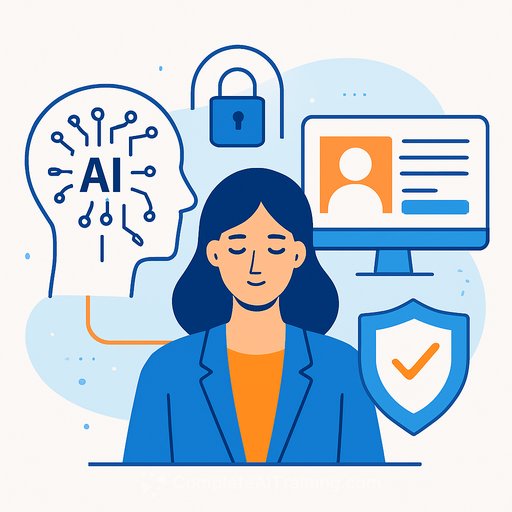
Speed without standards backfires. Publish policies on data privacy, IP, model choice, human review, and bias checks. Use a lightweight risk framework so teams can move quickly and stay compliant.
For a solid starting point, review the NIST AI Risk Management Framework and adapt it to hiring, performance, and learning workflows.
The leadership shift
AI helps leaders see what's working sooner and where support is needed. But it won't create trust, set standards, or hold the line on accountability. That's leadership.
Nokia's mission is to connect intelligence around the world. Inside any company, that means connecting people, tools, and clear goals so teams can move with confidence-and win.
Upskill your org
If you're building an AI learning path by job family, this curated library is a fast starting point: AI courses by job. Keep it practical, role-based, and tied to real workflows.
Your membership also unlocks: