
AI news ·
Colorado sets 2027 deadline for AI hiring rules as HR leaders push to curb shadow AI risks
Colorado employers must disclose when AI influences hiring, pay, or other job decisions under a law taking effect January 1, 2027. Workers gain rights to their data, corrections, and human review of automated decisions.
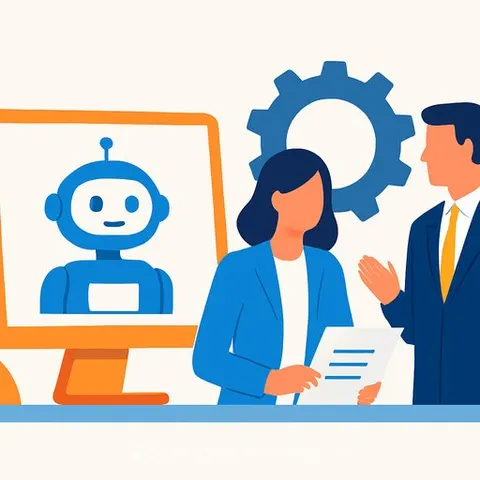
Colorado's AI Employment Law Takes Effect in 2027
Colorado will require employers to disclose when automated decision-making technology influences hiring, pay, or other consequential employment decisions starting January 1, 2027. Senate Bill 26-189 mandates clear notices to affected workers and grants them the right to request their data, demand corrections, and receive meaningful human review of AI-driven decisions.
The law replaces an earlier version that raised concerns about stifling innovation. Under the revised approach, the Colorado attorney general has enforcement authority and will allow companies 60 days to fix violations before penalties apply.
What the Law Requires
Employers using automated decision-making technology must inform individuals when such systems play a role in adverse outcomes. Workers gain specific rights:
- Access to their data used in automated decisions
- Ability to request corrections to that data
- Right to human review of decisions made or influenced by automation
The law covers employment decisions broadly - from initial hiring through compensation determinations and other material job actions.
CHROs Lead AI Integration in the Workplace
Chief Human Resources Officers are increasingly driving how organizations adopt AI, shifting from IT-led deployments to strategies centered on people. The focus now emphasizes change management, building employee competence with AI tools, and redesigning workflows to incorporate automation effectively.
CHROs are also creating controlled environments that encourage responsible AI use while managing risks. This change reflects growing awareness that uncontrolled AI adoption creates compliance and security problems.
The Shadow AI Problem
Employees are adopting unsanctioned AI tools at work - a trend known as "Shadow AI." This signals that official tools aren't meeting worker needs for AI assistance, creating real risks: data breaches, inaccurate information spread, and compliance violations.
Managing shadow AI requires a deliberate strategy. Organizations should inventory which AI tools employees actually use, communicate clear policies about approved and prohibited tools, and pilot new solutions in controlled settings before broader rollout.
Leadership involvement is critical. Executives must set risk expectations and oversee the pace of AI adoption to ensure integration happens strategically rather than haphazardly across departments.
For HR professionals navigating these changes, understanding both the regulatory requirements and the organizational strategy behind AI adoption is essential. AI Learning Path for CHROs and resources on AI for Human Resources provide structured guidance on these topics.