
AI news ·
Copyright drives UK creative growth in the age of AI, says former culture minister
The UK music industry contributes £8bn and 220,000 jobs, yet fewer than 20% of independent labels are licensing their work to AI firms. Copyright isn't a barrier to innovation-it's what makes the market work.
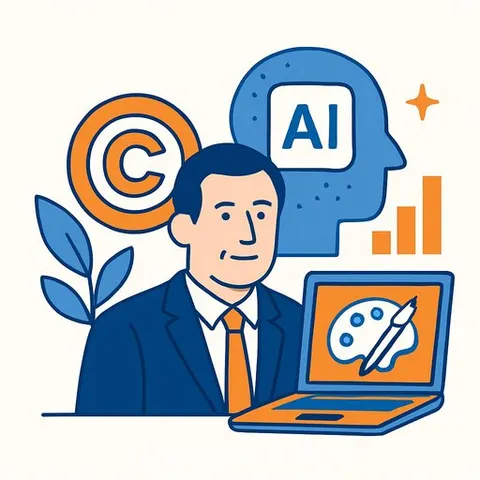
Copyright isn't dead-it's the key to UK creative growth
The UK music industry generates around £8bn in gross value added and supports roughly 220,000 jobs. Yet the debate about AI and copyright has narrowed into a false choice: either allow technology to use creative work for free, or abandon innovation.
This framing misses the real opportunity. Copyright is a market mechanism that turns creativity into a tradeable asset-something you can buy, sell, license, finance and build a business around.
How licensing works
In the 2010s, commercial licensing of copyright created Spotify, Amazon Prime, and Netflix. The same pattern is emerging with AI. Services like Human Native, Klay Vision, Voice Swap, and Sound Patrol now offer AI tools that are fully licensed by major music copyright holders.
A report by WPI Economics and the BPI found that nearly 80 per cent of independent record companies see music licensing for AI as key to future growth. Yet less than 20 per cent are actively licensing right now, pointing to substantial untapped potential.
What needs to happen
Two things matter. First: legal certainty from consistent application of UK law. Second: meaningful transparency about what data goes into AI training.
These foundations enable dialogue and deal-making between creative and tech companies. Get them right and Britain can lead this shift-not by picking sides, but by making the market work for all.
The question for policymakers is straightforward: how do we accelerate this nascent market to benefit creators, entrepreneurs, consumers and audiences? The answer starts with stopping the tired argument that copyright is obsolete and instead focusing on what makes these deals possible.
Learn more about AI for Creatives and Generative Art.