
AI news ·
CorVel embeds AI into workers' comp workflows while keeping human judgment central
CorVel is embedding AI directly into its claims management platform to help staff make faster decisions without replacing human judgment. The company screens new tools by clinical need, workflow fit, and worker experience-not novelty.
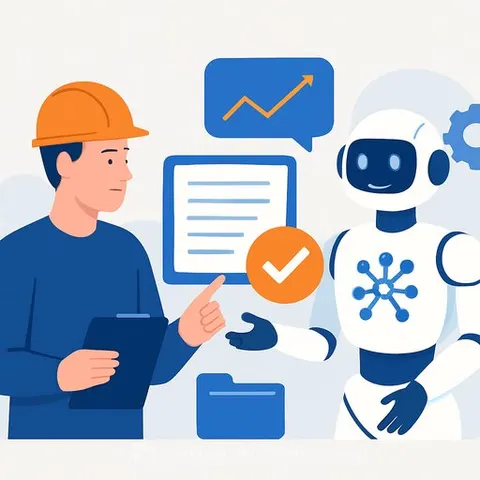
CorVel embeds AI into claims workflows without sacrificing human judgment
CorVel Corp is betting that the winners in workers' compensation claims management will be those who integrate artificial intelligence thoughtfully into existing operations, rather than chase every new capability. Sarah Scott, executive vice president of product and corporate services at CorVel, is leading that effort across the company's end-to-end claims and care management.
"We're transforming how claims and care are managed by embedding AI directly into the workflows our teams use every day," Scott said. "Our goal is to give our claims and clinical professionals better tools so they can focus on advocacy, communication, and proactive intervention."
Building intelligence into existing workflows
CorVel Connected, an AI-powered intelligence layer embedded within CareMC, the company's proprietary claims management platform, is the centerpiece of this effort. Rather than forcing staff to switch between tools, the system surfaces relevant information and actionable insights where claims professionals need them-including AI-powered claim summarization, recommended next actions, and claim insights.
The practical result is less time spent gathering and piecing together information, and more time on decisions and human engagement that move claims toward resolution. Scott said the approach helps identify risks sooner, guide injured workers to appropriate care pathways, and reduce delays. For insurers and employers, that means shorter claim durations, more effective medical cost management, and a better recovery experience for injured workers.
Discipline in vendor selection
CorVel owns its proprietary platform, giving it flexibility most third-party administrators lack. When external vendors enter the mix, Scott applies strict criteria.
"We're not interested in adopting technology just because it's new or gaining attention in the market," she said. "Any partner we bring into the CorVel ecosystem has to have a clearly defined claims or clinical need aligned with the way our teams work today."
Integration is non-negotiable. Technology that creates friction or disrupts existing workflows will not deliver full value, regardless of how compelling it appears in a demonstration. Financial performance matters-improved claim outcomes, reduced unnecessary medical spend-but user experience is weighted equally.
"Someone can bring a solution with great financial impact, but if it's going to be at the detriment of the human experience-for our injured party or for our client partners-that's not the right fit for us," Scott said.
Change management outweighs technology challenges
The biggest obstacle is not the technology itself, Scott said. Even the most sophisticated tools create value only if they integrate thoughtfully into how people actually work.
CorVel's approach involves engaging users throughout development-observing actual workflows, running pilots with different staff groups, and gathering direct feedback at each stage. Post-launch, the company tracks both usage data and qualitative input from frontline teams.
The stakes extend beyond productivity. Claims and case management are demanding roles, and technology quality directly affects staff retention. "Technology really needs to support those professionals so they feel they have a sustainable work environment-that they're enjoying the work they're doing and can see that technology is genuinely helping them make better decisions," Scott said. "We get better retention as a result of the technology we bring to our teams."
Leadership alignment drives execution
CorVel's transformation is driven by a cross-functional team working in close alignment with President and CEO Michael Combs. His directive is simple: integrate AI with human engagement.
"At the forefront of everything is: how are we engaging humans, and how do we bring additional value through the technology we're adopting?" Scott said.
Product, development, and operational teams work together rather than in sequence. The result is a roadmap CorVel controls entirely, allowing it to bring releases to market with speed and purpose. As the company marks its 35th anniversary on Nasdaq this June, Scott sees the current moment as a continuation of that founding commitment to innovation.
For executives considering similar AI Agents & Automation strategies, CorVel's approach offers a concrete model: embed capability into existing workflows, measure both financial and human impact, and let adoption challenges drive product decisions rather than ignore them.