
AI news ·
Data center expansion raises toxic tort liability concerns after Maine governor vetoes moratorium bill
Maine Governor Janet Mills vetoed a bill April 24 that would have banned new large AI data centers statewide. Legal experts now warn of toxic tort suits over water and air impacts as construction expands.
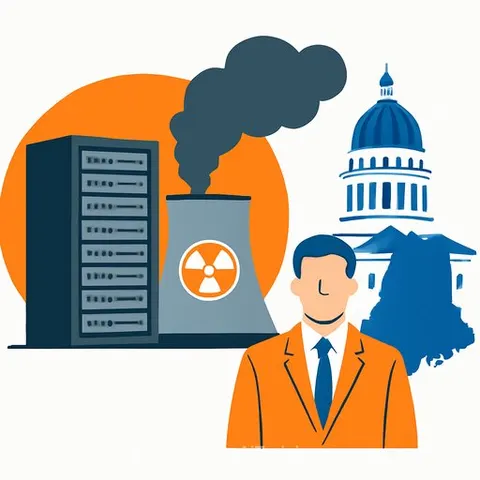
Maine's Vetoed Data Center Moratorium Signals Growing Legal Risk for AI Infrastructure
Maine Governor Janet Mills vetoed legislation on April 24 that would have imposed the nation's first moratorium on large artificial intelligence data centers. The veto leaves the door open for major infrastructure projects-and the legal exposure that may follow.
The rejected bill reflected mounting concern among state officials and residents about the environmental and operational costs of housing AI systems. Data centers consume enormous amounts of water and electricity, creating potential liabilities for developers and operators.
Toxic Tort Litigation Looms
Legal experts anticipate a wave of toxic tort lawsuits as AI data center construction accelerates across the country. Property owners, neighboring communities, and environmental groups are likely to file claims related to water contamination, air quality degradation, and other environmental harms.
For real estate and construction professionals, this means due diligence on data center projects must now account for environmental liability exposure. Site selection, permitting, and insurance requirements are becoming more complex.
What This Means for Development
The veto suggests states will continue approving data center projects despite environmental concerns. Developers should expect heightened scrutiny during permitting and increased legal costs post-construction.
Environmental assessments and community engagement are no longer optional safeguards-they are risk management tools. Companies building or investing in data center real estate should budget for potential litigation and regulatory compliance.
Learn more about how AI impacts real estate and construction planning and operations.