Digital Science adds AI-powered profile building to Symplectic Elements
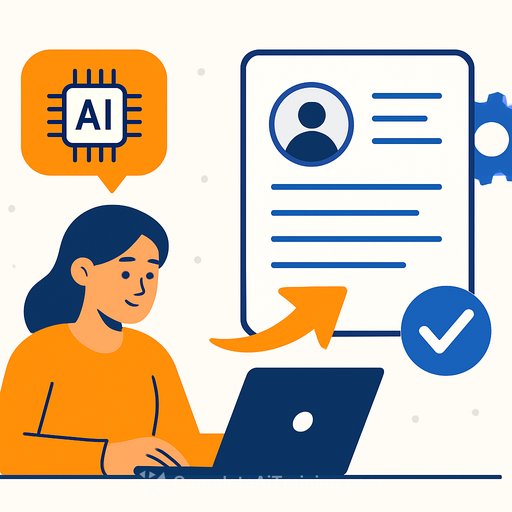
Digital Science launched AI-Assisted Profile Curation for Symplectic Elements on June 1, a feature that automatically converts CVs and unstructured documents into structured faculty profiles. The capability combines two tools: AI-Assisted Data Entry for manual uploads and AI-Assisted CV Import, currently in beta, which handles full onboarding workflows.
Researchers and administrators can now upload a document, have the system extract and organize metadata, then review and confirm results before saving. No additional integration is required for institutions using Digital Science's hosted platform.
Addressing a persistent operational problem
Building complete faculty profiles is labor-intensive work. Information typically scattered across CVs and documents must be manually transferred into structured systems. Some institutions report spending an average of 20 hours establishing a single new faculty member's profile.
The new feature is designed to reduce that burden. The system extracts content and maps it to an institution's existing metadata schema, including custom fields. Enhanced matching logic checks extracted records against existing publications, grants, and external identifiers-DOI, PMCID, arXiv ID, Scopus EID, and Dimensions grant references-to prevent duplicates.
The tool supports the full range of academic activities in Symplectic Elements: publications, grants, teaching, committee service, and professional contributions. This breadth matters for faculty in arts, humanities, and other disciplines whose outputs rarely appear in automated harvesting sources.
Human review remains in the loop
No data enters a profile without explicit user review and confirmation. Institutional administrators retain full control to enable or restrict access by group.
Katy Krieger, Director of Faculty Personnel and Policy at the University of Oregon, said the AI-assisted entry tool helped the institution implement the system quickly and supported data collection across professional schools. "Our faculty provide their activity information in the system quickly and in a more standardized and readable manner, which means we are then able to use it for all of our major faculty reviews," Krieger said.
For professionals managing research information systems or faculty data, understanding AI Agents & Automation can help you evaluate how these tools fit into your institution's workflows.
Your membership also unlocks: