
AI news ·
Duke School of Medicine dean outlines AI integration plans at annual address
Duke School of Medicine will embed AI across research, education, and patient care, dean Mary Klotman said Wednesday. She stressed the need for ethical guardrails to protect the doctor-patient relationship.
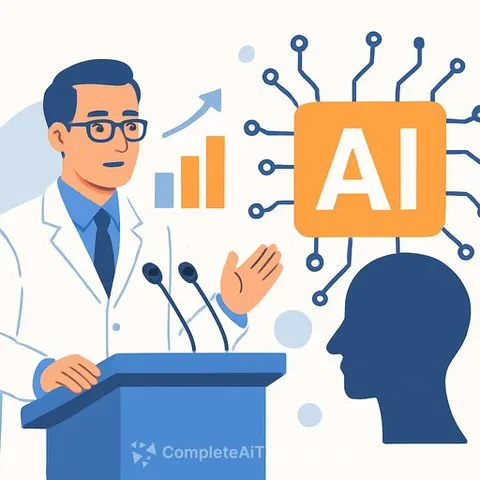
Duke School of Medicine Charts Path to Lead in Responsible Health AI
Duke School of Medicine will integrate artificial intelligence throughout its research, education and patient care operations, dean Mary Klotman said Wednesday, while emphasizing the need for ethical guardrails and protection of human connection in medicine.
Klotman delivered the address at Duke's annual State of the School gathering, acknowledging both the scale of opportunity and the risks AI presents to medical practice. Duke practitioners have already used AI to advance medical imaging, improve drug effectiveness and predict mental illness in young patients.
"We have an opportunity to be a leader in health AI, but the leader in responsible, ethical and safe AI," Klotman said.
Curriculum Changes and New Leadership
The School appointed Chris Lindsell as vice dean for data science and AI in April, its first person in that role. Lindsell will oversee strategy for embedding AI across the institution's operations.
Curriculum reforms will teach students to "lead in a world where AI will be fully integrated" into their professions. Aditee Narayan, vice dean for medical and health professions education, outlined plans to incorporate AI for Healthcare into medical training, including tools that process patient notes to inform student learning.
The goal is to free clinicians to spend more time on work that matters-patient care, research, teaching-rather than administrative tasks.
Protecting the Human Element
Klotman acknowledged a core concern: AI could erode the personal relationships that define medicine. "Our profession is human-to-human," she said. "We must make sure we don't risk that fundamental connection that is so important."
Community partnerships will be essential to address public skepticism about AI in healthcare. Klotman cited the Duke Clinical and Translational Science Institute's Seed Health Atlas, an AI tool that helps community members and researchers understand health factors across the nation.
"There is a tremendous amount of mistrust in what these tools might do harm to in terms of patient care," Klotman said. Working with community partners is "probably more important than ever."
Balancing Strategy and Funding Pressures
The School has faced significant federal funding cuts and undergone strategic realignment over the past 18 months. Klotman said the institution remains focused on federal funding developments while pursuing AI Research Courses and technology opportunities that could advance its research mission.
"It would be a huge mistake to be distracted and lose sight of strategy," Klotman said.