
AI news ·
Ezra Klein says AI's political image problem reflects a real underlying issue
AI's overpromising on capabilities has turned policymakers skeptical, threatening the industry's shot at favorable regulation and research funding. When bold timelines miss, the next genuine advance becomes harder to sell.
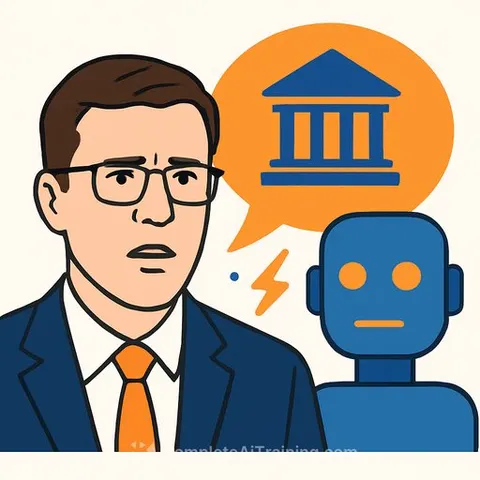
AI's Marketing Problem Is Costing the Industry Political Support
The artificial intelligence industry faces a credibility gap that threatens its political future. Industry leaders have oversold AI's capabilities and timeline for deployment, creating skepticism among policymakers and the public.
The problem runs deeper than typical tech hype. When companies make promises about AI that don't materialize on schedule, they erode trust with the people who control regulation and funding. Policymakers become reluctant to support the industry because they've heard unrealistic claims before.
Why This Matters for Marketing Professionals
If you work in marketing for a tech company or adjacent industry, this dynamic affects how you position products and services. Overclaiming on capabilities doesn't just backfire with customers - it damages relationships with regulators, investors, and elected officials.
The AI sector's credibility problem shows what happens when marketing outpaces engineering. Companies that made bold predictions about AI timelines now face skepticism when they present genuine advances. The industry spent years talking about transformative change that hasn't arrived on schedule.
The Political Cost
Skeptical policymakers are less likely to create favorable conditions for industry growth. They're more likely to impose restrictions. They're less likely to fund research initiatives. The marketing failures translate directly into policy headwinds.
This isn't a unique problem to AI. Any industry that consistently oversells faces this penalty. But AI's visibility and the scale of claims made it particularly acute.
What Marketing Teams Should Learn
The lesson for marketing professionals: credibility compounds over time. One missed deadline damages the next announcement. One overclaimed capability makes the next genuine breakthrough harder to sell.
Companies that have been measured in their public statements about AI development face less skepticism. Those that have made bold claims face higher burdens of proof.
For marketing teams, this means aligning messaging with what engineering can actually deliver, not what investors want to hear or what competitors claim. The short-term gain from hype doesn't offset the long-term cost of broken trust.