
AI news ·
Facebook whistleblower Frances Haugen warns AI companions for minors are the next legal battleground
Frances Haugen says AI companions marketed to minors are the next major legal battleground, following court rulings that held Meta and YouTube liable for addicting young users.
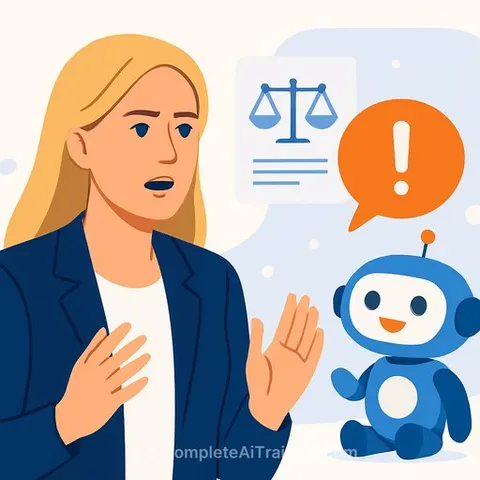
Haugen: Platform Accountability Expands to AI Companions
Frances Haugen, the engineer who leaked Facebook's internal documents in 2021, told El País that litigation against major platforms has accelerated since her disclosures-and the next legal front will target AI companions marketed to minors.
Haugen left Facebook with 21,000 internal documents and later testified before the U.S. Senate. Her evidence contributed to a wave of lawsuits, including a 2023 class-action suit and cases filed by attorneys general from 41 states.
Recent court decisions have strengthened the legal case against platforms. A New Mexico jury ruled Meta liable for misleading consumers. In Los Angeles, a court found Meta and YouTube liable in a case centered on how platforms foster addiction among minors.
AI Companions Face Legal Scrutiny
Haugen warned that the "next major legal battle" will involve AI companions-conversational agents that minors interact with regularly. These systems combine language models with personalization layers designed to create engaging, ongoing relationships.
The technical architecture of AI companions creates specific liability risks. Content filtering, context-aware safety policies, and audit logging for personalization and training pipelines are core engineering concerns. Systems can generate age-inappropriate content, leak personal data, or employ persuasive recommendation tactics.
Courts have shown willingness to treat digital products' effects on minors as actionable harms. That shift increases pressure on companies building conversational agents to demonstrate safety controls, data provenance, and explainability mechanisms.
What Legal Teams Should Track
- Discovery demands for training data and personalization logic in consumer-facing agents
- Regulatory guidance focused on age-targeted AI interactions
- Litigation language that establishes legal standards for harm from interactive generative systems
- Whether civil suits expand beyond social platforms into companies marketing social or companion AI to young users
For legal professionals, understanding generative AI and LLM architecture is now essential to assessing liability and compliance risk. Companies building these systems will face questions about model behavior, safety controls, and data governance that courts have not yet standardized.
The intersection of AI for legal practice and platform liability is expanding. Legal teams need to understand both the technical foundations of these systems and the emerging judicial standards that govern their use.