AI Agents In Customer Support: From Helper To Always-On Teammate
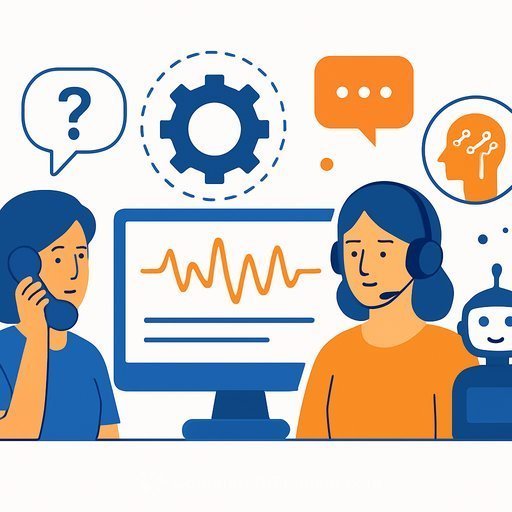
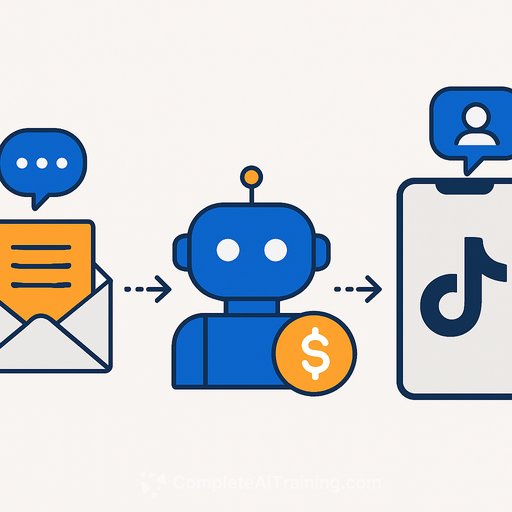
Agents are moving into the workflows that actually matter: ticket triage, replies, approvals, and follow-ups. They connect to your tools, APIs, data, and knowledge base, then run continuously with clear escalation paths. The result: fewer manual steps, faster resolution, and a smoother customer experience.
This isn't a distant future. It's already showing up across finance, operations, supply chain, and especially support. Teams are using agents as a dependable layer inside the queue, improving accuracy while shrinking handle time and backlog.
From assistance to outcome execution
AI started as a helper-draft an email here, summarize a case there. Then came agents that could follow instructions and keep tasks moving. We're now entering the next phase: autonomous agents that work alongside reps and managers to execute outcomes end to end.
Leaders see it too. In the latest work trend data, 80% say they plan to integrate agents into their AI strategy within 12-18 months, and more than one-third plan to make them central to major business processes. IDC reports that leading firms use AI across an average of seven functions; over 70% use it in customer service, marketing, IT, product development, and cybersecurity, and 67% are already monetizing industry-specific use cases.
Work Trend Index and IDC both point in the same direction: this shift is underway.
What this means for support teams
The real change isn't just faster responses. It's how the work is structured. Agents handle repeatable, rules-based tasks while people focus on judgment, empathy, and tricky edge cases.
- Triage: classify, prioritize, and route tickets by intent, product, severity, and sentiment.
- Auto-draft: propose answers, macros, and KB links; reps review and send.
- Proactive follow-ups: status updates, NPS nudges, parts/shipping notifications.
- Approvals and refunds: enforce policy with thresholds; escalate when risk or ambiguity appears.
- Case hygiene: summarize threads, extract root cause, update fields, dedupe contacts.
- Voice and chat: real-time suggestions, disposition codes, and after-call summaries.
New roles, same mission
Support won't be replaced-it gets re-organized. Expect new responsibilities to emerge: agent builders (integrations, prompts, policies), conversation designers (flows, tone, guardrails), and digital-worker managers (SLA tuning, quality checks, analytics).
Reps become coaches for agents, not just case handlers. Managers set the bar for quality and escalation. The mission stays the same: help customers quickly and keep trust high.
Scale with safety: non-negotiables
Agents help you serve more customers without weekend overtime or queue spikes. But scale only works with strong guardrails and least-privilege access. Apply Zero Trust: give agents only what they need, log everything, and adjust access as responsibilities change.
- Data scope: restrict to necessary objects (tickets, orders, warranty info). No broad data lakes.
- PII handling: redact, mask, and encrypt; store minimal context; auto-delete where possible.
- Escalation rules: escalate on low confidence, sentiment risk, VIP accounts, or legal/regulatory mention.
- Auditability: per-action logging, versioned prompts/policies, and change reviews.
- Abuse defense: prompt-injection filters, URL allowlists, and rate limits.
If you need a framework, start with NIST's Zero Trust guidance: SP 800-207.
A practical playbook for customer support
Start where risk is low and volume is high
- Ticket intake: auto-tag, dedupe, and route with confidence thresholds.
- Suggested replies: include source citations (KB, orders, previous cases) in every draft.
- Backlog sweeps: close stale tickets with a polite check-in and one-click reopen option.
- RMA/refund flows: enforce policy, create labels, confirm address, and push updates to the CRM.
Then advance to process orchestration
- Multi-agent collaboration: triage agent routes to KB agent or billing agent; QA agent reviews before send.
- Learning loops: feedback buttons on every draft; auto-promote patterns to macros and KB updates.
- Cross-system actions: create Jira bugs, post to Slack/Teams, update CRM, schedule callbacks.
30/60/90 rollout
- Day 0-30: choose 2-3 use cases, define guardrails, connect to sandbox data, measure accuracy and time saved.
- Day 31-60: expand to one full queue or region, add on-call escalation, start weekly quality reviews.
- Day 61-90: integrate refunds/approvals, enable voice notes → summaries, publish a clear "what the agent can do" policy.
Quality bar and metrics
- CSAT and Sentiment: should hold or improve with agent-drafted replies.
- First Contact Resolution: increase through better routing and policy checks.
- AHT and After-Call Work: reduce via auto-summaries and one-click KB citations.
- Backlog and SLA attainment: stabilize during spikes and seasonality.
- Accuracy: measure source-grounded citations per reply; target 95%+ factual correctness on covered intents.
- Deflection rate: for simple intents, track self-serve or auto-resolve without human intervention.
Guardrail examples you can copy
- Scope: read-only CRM during pilot; write access only after 95% precision and manager sign-off.
- Confidence: below 0.85 confidence or any policy trigger → escalate with a clean summary and proposed next step.
- Sensitive topics: legal threats, safety risk, compliance, refunds over $X → instant escalation.
- Tone: friendly, concise, no promises, cite source or ticket ID for every factual claim.
Tooling and integrations that make this work
- Help desk: Zendesk, Salesforce, Freshdesk, ServiceNow (APIs for tickets, macros, users, SLAs).
- Comms: Slack/Teams for escalations and approvals; email/SMS APIs for follow-ups.
- Data: product catalog, order status, RMA system, KB, incident tracker.
- Observability: dashboards for queue health, agent accuracy, and escalations by reason.
Leadership habits that compound
- Use AI daily: write one real reply with an agent draft, then edit. Ship learnings weekly.
- Make outcomes visible: share time saved, CSAT impact, and examples with screenshots (redacted).
- Set a two-track plan: bottoms-up experiments across teams and top-down, high-impact projects with deadlines.
- Keep trust central: publish your data policy, escalation rules, and what agents can/can't do.
What's next
What you see today is the baseline. In six months, these systems will handle more. In six years, expect an agent in nearly every process that repeats.
The companies that lean in now will scale faster, operate smarter, and find new ways to serve customers without burning out teams. Start small, measure hard, secure by default, and keep people in the loop where it matters most-judgment, empathy, and the conversations that turn customers into loyal fans.
Resources to keep learning
- AI courses by job role for building support-specific skills.
- Automation playbooks to turn use cases into live workflows.
Your membership also unlocks: