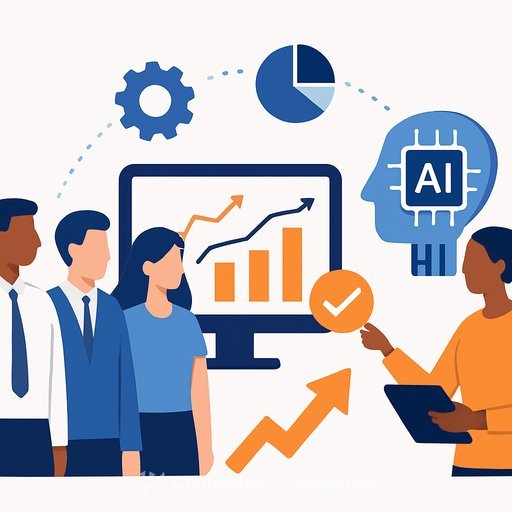
From Transaction to Transformation: AI as HR's Strategic Partner
The Intelligent Futures: AI's Global Ecosystems event convened in Hangzhou last week, organized by TechNode and co-organized by TECOM and Founders Breakfast. In a panel titled From Transaction to Transformation: AI as a Strategic HR Partner, three leaders cut through the hype and got practical: Eric Lin (Business Partner, LeapIn), Jessica Gleeson (CEO, BrighterBeauty), and Fabrizio Ulivi (Managing Partner, SBA Shi Bisset & Associates). Their shared view: AI is speeding up performance gains, improving decision quality, and opening up talent development across the organization.
AI is moving from efficiency tool to capability builder
Over the last 18 months, AI adoption inside companies has moved beyond admin tasks. It's improving employee capability and business outcomes, especially where there's rich people data. Ulivi emphasized that learning and development gets the biggest lift: AI can map personalized growth paths, align content with capability gaps, and improve the ROI of training.
Eric Lin pointed to recruiting as a clear win. Screening resumes can be automated so HR can spend more time on what matters: deeper conversations, culture add, and decision quality. "HR professionals shouldn't waste time on tasks like flipping through a resume in three seconds," he said. "Their real value lies in evaluating the match between people and the organization."
Bias: structure it-then question it
Jessica Gleeson offered a useful reframing of the bias debate: AI doesn't remove bias; it helps you structure it. Every organization already has criteria for "what good looks like." AI can make those standards explicit and consistent.
But there's a catch. After AI filters candidates, ask the reverse question: "Who is getting filtered out-and could their non-linear experience be the difference we need?" AI assists; humans decide. Keep judgment at the center.
Better conversations, better outcomes
AI is most useful when it improves human-to-human interactions. Interview assistants can listen in real time and prompt follow-up questions based on your criteria, so interviewers stay present instead of juggling notes. In coaching, AI can surface blind spots, analyze skill gaps, and turn vague goals into clear, trackable objectives.
As Jessica put it, when AI helps people prepare better, meetings and interviews become more purposeful. The quality of the conversation goes up-and so does the signal in your decisions.
HR's next mandate: ethics, culture, and guardrails
As AI embeds into daily work, HR's role expands. Beyond process owners, HR becomes the conscience and counterbalance for how AI is used. That means aligning tools with culture, protecting employee well-being, and ensuring technology supports-not erodes-the employee experience.
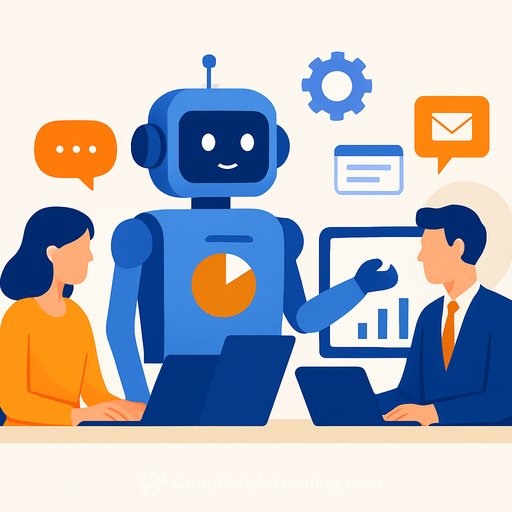
AI won't replace HR or managers. It frees time and budget for what actually moves the needle: learning faster, making smarter calls, and developing people more fairly.
What to do now: practical moves for HR
- Codify "what good looks like." Write clear, job-relevant criteria before you deploy any AI screen. Keep them tight, measurable, and tied to performance.
- Run human-in-the-loop hiring. Use AI for first-pass screening, then add structured interviews and panel reviews to validate signal and catch outliers.
- Audit the filter. Track who gets screened out. Review by source, stage, and demographic to spot patterns. Adjust criteria, not just thresholds.
- Upgrade interviews. Pilot an AI interview assistant to prompt follow-ups, ensure coverage of competencies, and produce a consistent scorecard.
- Personalize L&D. Use AI to create role-based learning paths tied to skill gaps and business outcomes. Measure completion, application, and impact.
- Set governance basics. Publish an AI use policy, define approval paths for new tools, and log decisions made with AI assistance.
- Protect privacy. Limit data collection to job relevance, inform employees how AI is used, and document consent where required.
- Measure more than efficiency. Track time saved, decision quality (e.g., new hire performance at 90/180 days), and equity (e.g., progression rates by cohort).
Suggested guardrails and prompts
- Hiring criteria template: "For [Role], the top 5 job-relevant competencies are [list]. Evidence includes [behaviors, outcomes]. Exclude non-predictive signals."
- Reverse-bias review: "Which qualified profiles is the model excluding? What value might unconventional experience add to this team's goals?"
- L&D mapping: "Given [employee skills] and [role requirements], generate a 12-week plan with weekly objectives, practice tasks, and success metrics."
Resources
- NIST AI Risk Management Framework for practical guidance on AI risk, measurement, and governance.
- Complete AI Training: Courses by Job to upskill HR teams on AI tools, prompts, and workflows.
The bottom line
Efficiency is step one. The real value is capability: faster learning loops, better decisions, fairer development. Use AI to do the busywork, then invest the saved time in conversations, coaching, and culture-the work only humans can do.
Speakers: Eric Lin (LeapIn), Jessica Gleeson (BrighterBeauty), Fabrizio Ulivi (SBA Shi Bisset & Associates)
Your membership also unlocks: